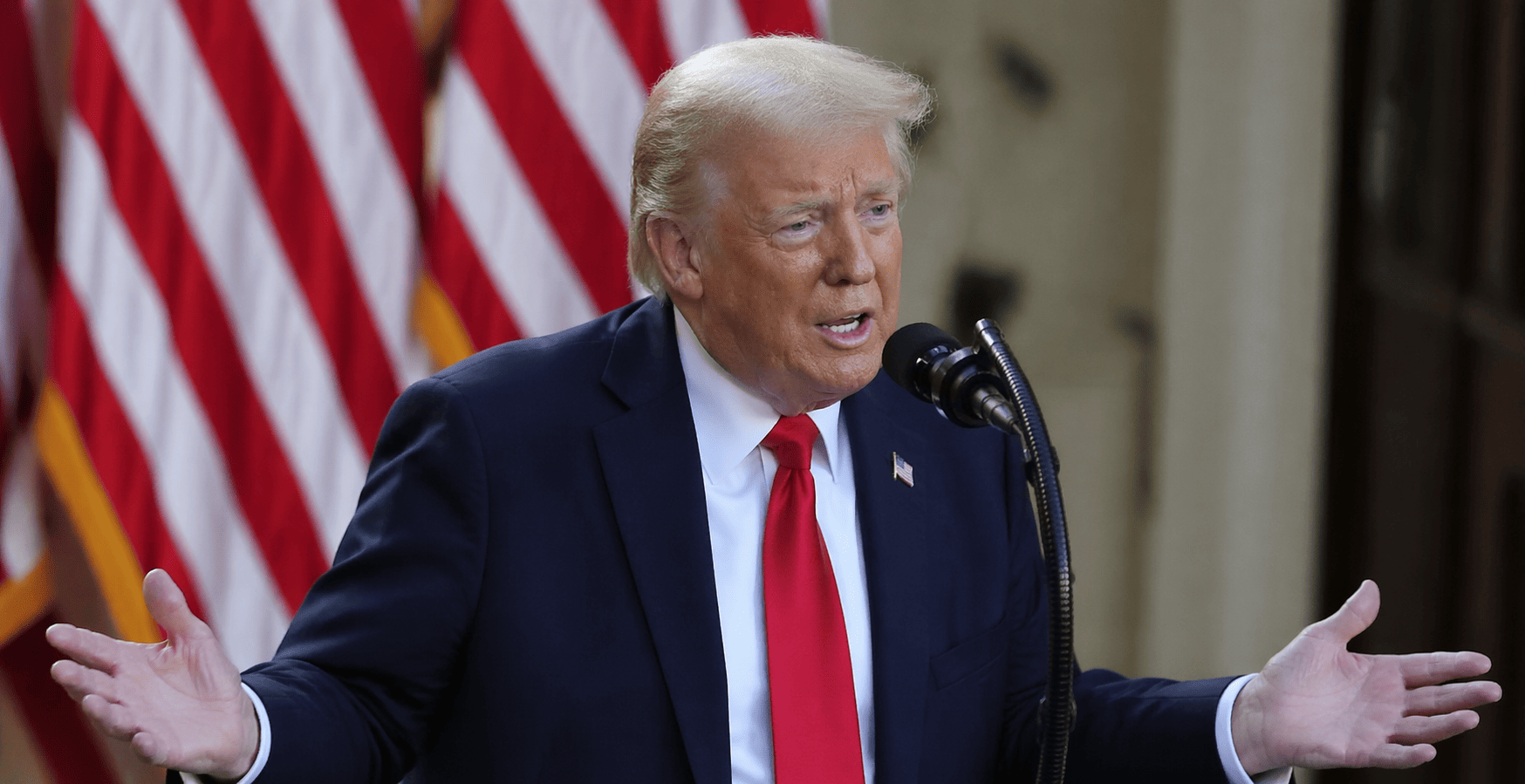
The Trump administration's latest round of sanctions targeting Iranian-linked entities, individuals, and vessels has injected fresh uncertainty into global energy markets. While the measures stop short of penalizing major Chinese banks that facilitate Iranian crude exports, the potential for supply disruption remains a key driver for oil prices and related equities.
Brent crude hovered near $90 per barrel on Tuesday, while WTI traded around $84-$85, following a 2% decline on Monday. The market's muted reaction reflects the conditional nature of the sanctions—traders are weighing whether they will meaningfully reduce Iranian supply or merely complicate trade flows. As China's continued purchases could soften the blow, the outcome hinges on Beijing's response.

Potential Winners from Tighter Sanctions
Exxon Mobil (XOM)
Exxon stands out as a low-risk beneficiary if crude prices climb, given its substantial upstream operations. The company's refining and chemicals segments also offer diversification against geopolitical volatility. Morgan Stanley analyst Devin McDermott recently raised his price target on Exxon to $177 from $168, maintaining an Overweight rating.
Occidental Petroleum (OXY)
Occidental offers a higher-beta play on oil prices, with earnings and free cash flow more sensitive to crude movements than those of integrated majors. Wells Fargo's Sam Margolin lifted his target to $79 from $72, keeping an Overweight rating. If sanctions remove Iranian barrels, OXY could see outsized gains.
Frontline (FRO)
Tanker operator Frontline could benefit even without a major price spike if sanctions or Strait of Hormuz disruptions reduce shipping capacity and push freight rates higher. TradeWinds reported that some VLCC fixtures for cargoes inside the strait reached a record $800,000 per day. However, the stock has already rallied sharply, and Danske Bank recently downgraded it to Sell, suggesting some upside may be priced in.
Stocks Likely to Face Headwinds
Delta Air Lines (DAL)
Airlines are on the opposite side of the oil trade, as higher crude translates into costlier jet fuel and margin pressure. TD Cowen cut Delta's price target to $105 from $112 on Monday, citing "higher fuel prices are bringing down earnings estimates." A sustained oil spike would weigh on Delta's profitability.
United Airlines (UAL)
United faces similar fuel-cost challenges. TD Cowen lowered its target to $192 from $205 while retaining a Buy rating and naming United its top airline pick. Higher energy costs could erode expected earnings upside.
Carnival (CCL)
Carnival faces a dual threat: higher fuel expenses and potentially weaker international travel demand due to the Middle East conflict. Bank of America's Andrew Didora cut Carnival's target to $42 from $45, also reducing its 2026 net-yield growth forecast to 1.9% from 2.7%, citing a greater impact on European bookings.
China and Hormuz: The Deciding Factors
The ultimate impact of these sanctions will depend on two variables: whether Chinese financial institutions remain outside the sanctions net and whether Tehran disrupts traffic through the Strait of Hormuz. If Chinese buyers continue to absorb Iranian crude, the effect on global supply may be limited. But if Washington forces China to cut purchases, or if Iran materially disrupts the strait, the trade could intensify, benefiting producers and tanker operators while pressuring airlines and Carnival.
Investors should monitor these developments closely, as oil price forecasts remain sensitive to sanctions news. The market's reaction so far suggests a cautious approach, with traders awaiting clearer signals on enforcement and Chinese compliance.
This article is for informational purposes only and does not constitute financial advice.