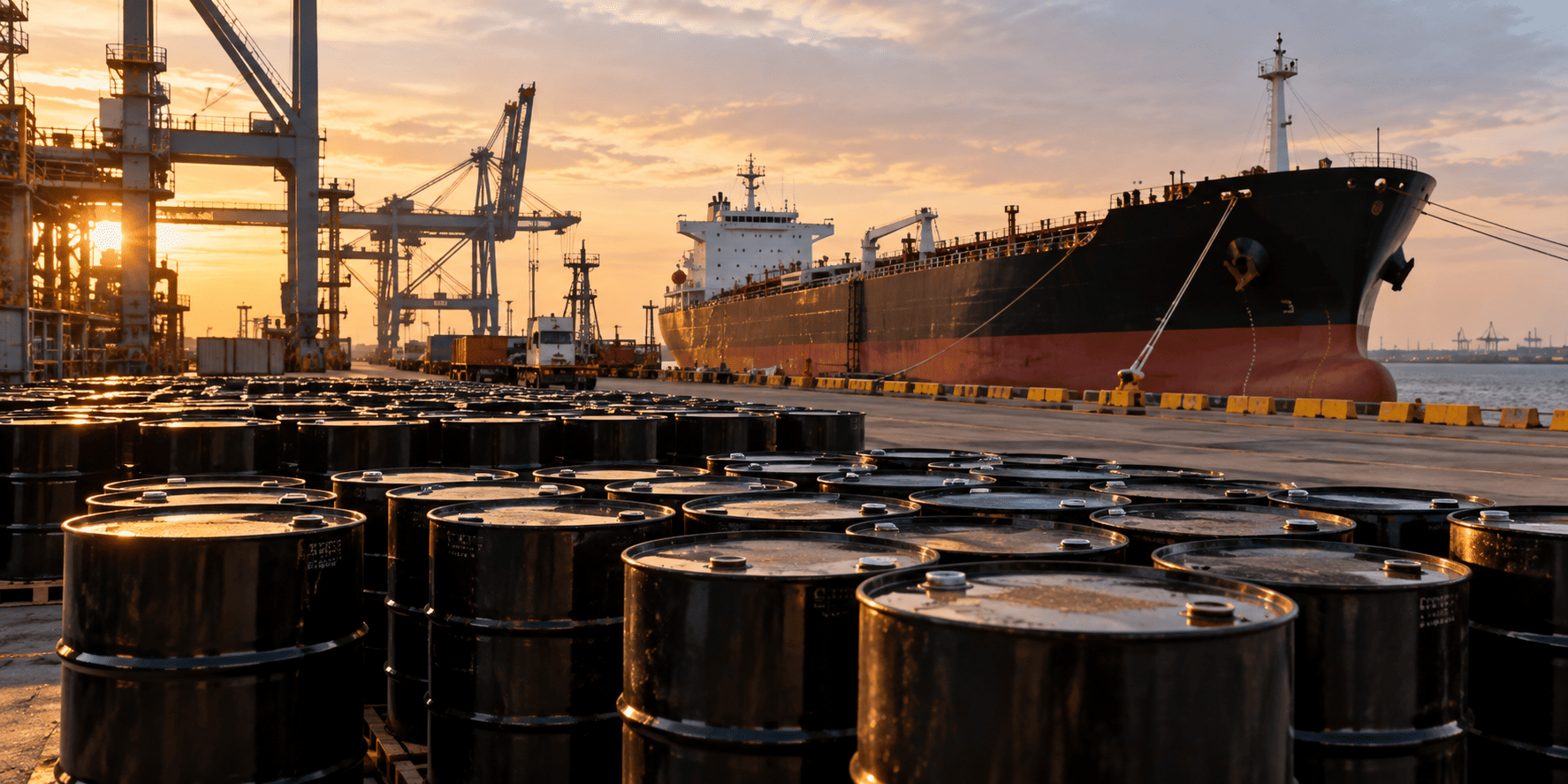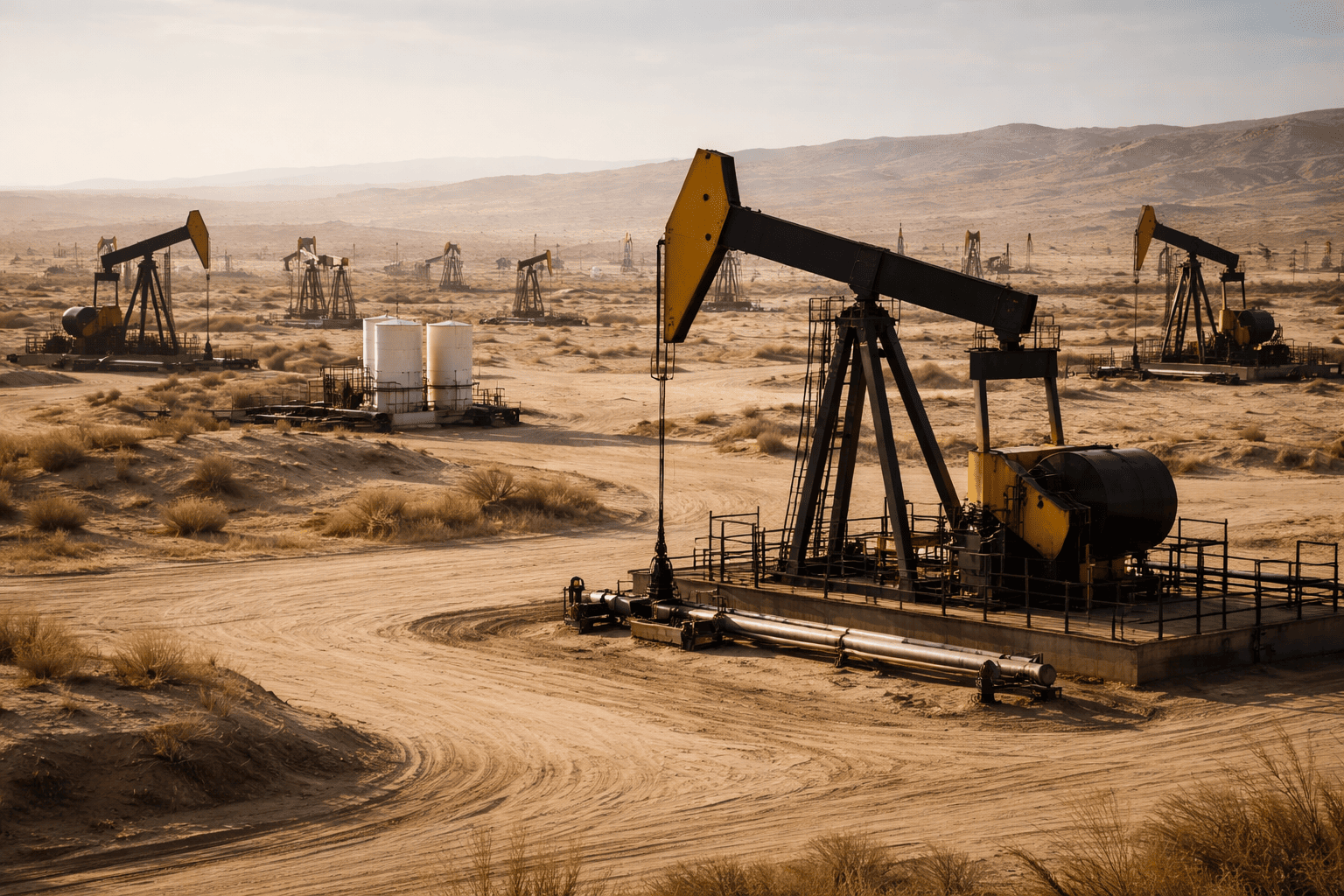
The recent blockade of the Strait of Hormuz has prompted a wave of pipeline infrastructure investments across the Middle East, as major oil producers seek to reduce reliance on the chokepoint that handles about a fifth of global crude and LNG flows. Saudi Arabia, the United Arab Emirates, and Iraq are spearheading projects to diversify export routes, while a broader regional initiative aims to connect Gulf fields to Mediterranean ports.
Saudi Arabia’s East-West Pipeline Proves Its Worth
Saudi Arabia’s decades-old East-West pipeline, built in the 1980s to mitigate Hormuz risks, became a critical asset during the crisis. According to OilPrice.com, the kingdom rerouted up to 7 million barrels per day through the pipeline to the Red Sea port of Yanbu, effectively bypassing the strait. The only bottleneck was Yanbu’s loading capacity, which Saudi Aramco is expected to expand. Energy columnist Ron Bousso noted that the pipeline’s construction was vindicated when the blockade paralyzed global energy markets.
UAE Doubles Down on Fujairah Capacity
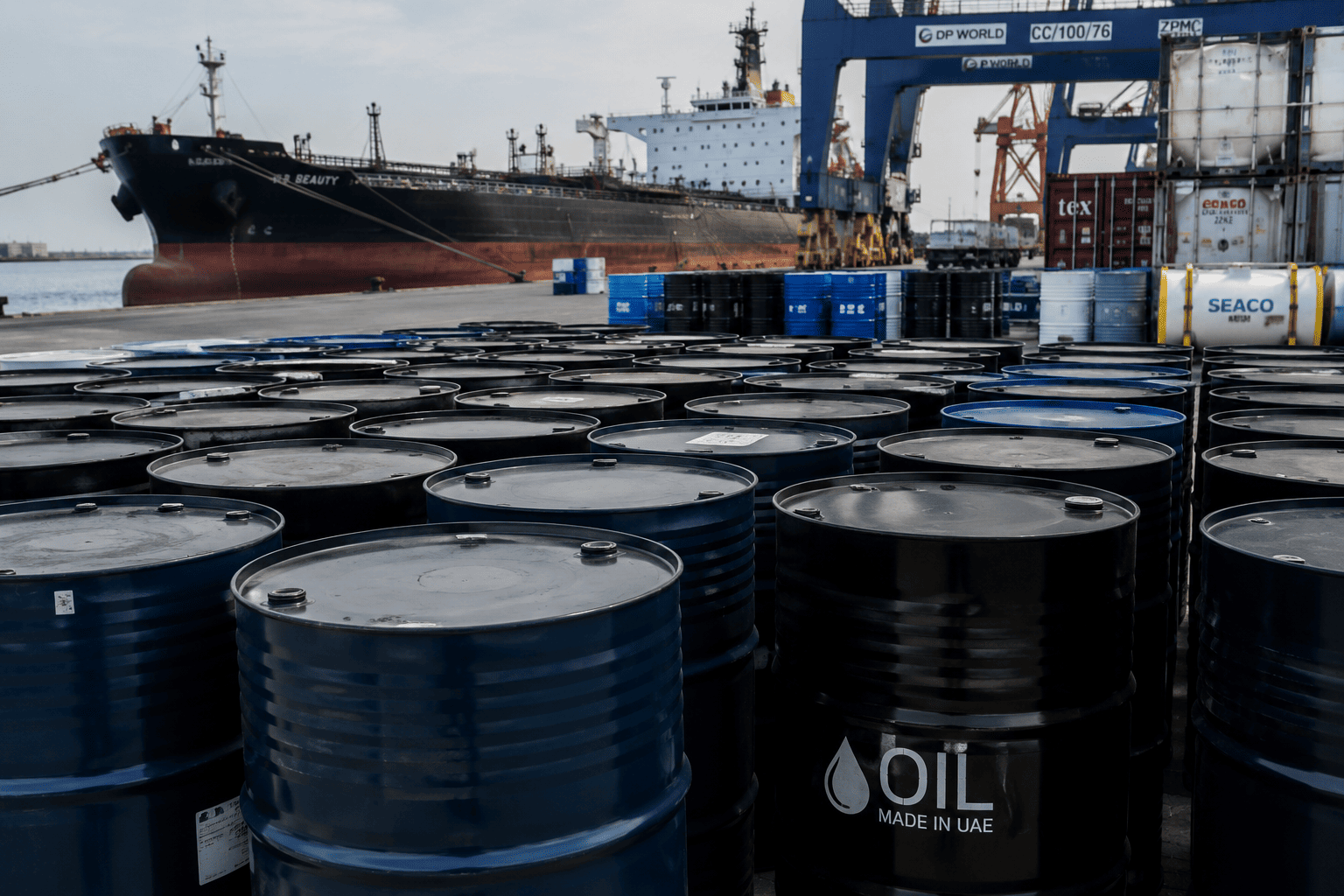
The UAE, which already operates a pipeline to the port of Fujairah outside Hormuz, is planning to double its capacity from 1.8 million barrels per day to 3.6 million, with completion targeted by the end of next year. Abu Dhabi is also expanding eastern ports such as Dibba and Khor Fakkan to further insulate exports from future disruptions. This move reflects a broader urgency among Gulf states to secure alternative routes.
Iraq Struggles to Recover Export Capacity
Iraq, heavily dependent on Gulf exports, saw shipments collapse from 3.3 million barrels per day to just over 1 million during the blockade, causing a sharp revenue decline. Baghdad is now prioritizing the expansion of the Kirkuk-Ceyhan pipeline, which currently handles 200,000 barrels daily, with plans to boost capacity to 770,000 barrels per day within months. The country is also exploring new pipelines to Syria and Jordan to connect northern fields to Mediterranean ports, aiming to bypass Hormuz entirely.
Regional Pipeline Vision Targets Mediterranean
A broader initiative, known as the Four Seas Initiative, envisions linking Middle Eastern oil fields to Mediterranean ports via Turkey and Syria. The New Lines Institute estimates the plan could cost $10 billion but offer European energy sovereignty from Russian and Iranian dependence, while supporting Syrian reconstruction through transit revenues. Turkey, positioning itself as a natural gas hub, sees the initiative as complementary to its strategy, though it also involves transiting Russian gas.
However, challenges remain. Unlike Saudi Arabia, the UAE, Iraq, Kuwait, and Qatar lack independent pipeline infrastructure and would need to rely on neighbors’ networks—a problematic prospect given regional tensions. For Qatar, dependence on Saudi or Emirati pipelines is complicated by strained diplomatic relations.
Outlook: A Permanent Shift in Energy Security
While the immediate risk of another Hormuz closure is slim unless hostilities resume, the crisis has permanently reshaped energy security thinking in the Gulf. Producers are determined to ensure that a disruption of this scale never happens again. As OilPrice.com’s Irina Slav concluded, the blockade has sparked a pipeline boom across the Middle East, with projects designed to safeguard exports and stabilize global energy markets. For investors, this trend underscores the growing importance of infrastructure resilience in the energy sector, as seen in related market movements such as Middle East Crude Slides as Hormuz Reopening Hopes Erode War Premium and Dow Surges 246 Points as Chip Stocks Recover Amid Middle East Tensions.
This article is for informational purposes only and does not constitute financial advice.