Mixed Session for Regional Equities
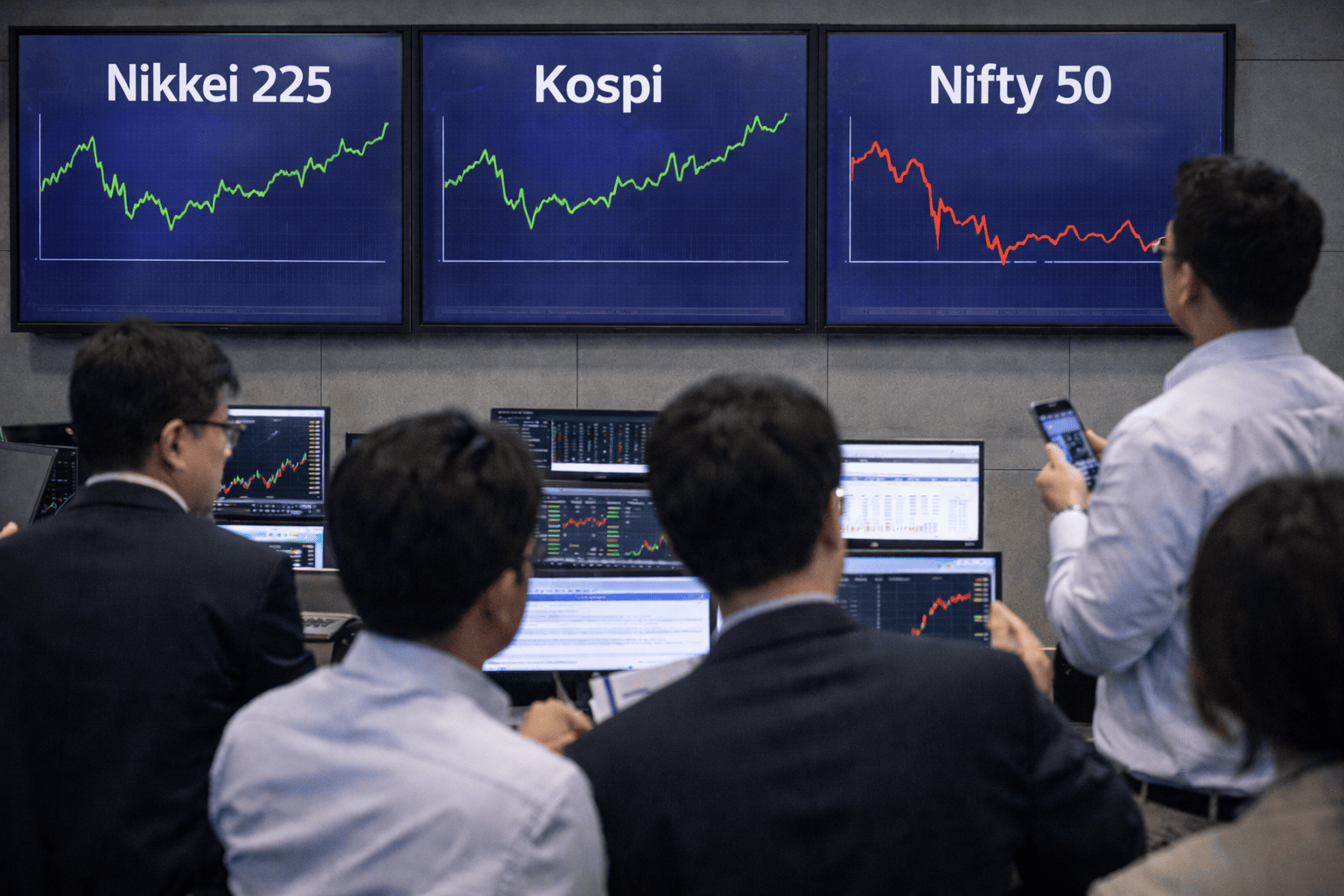
Asian financial markets exhibited divergent movements on Friday as participants assessed conflicting signals from geopolitical developments and commodity markets. The primary focus remained on diplomatic efforts in the Middle East, which contributed to a decline in crude oil prices, alongside ongoing corporate earnings strength from the United States. This combination created a complex environment where risk appetite appeared tempered rather than exuberant.
Key Market Movements
The Hang Seng Index declined during the session, reflecting a broader pattern of consolidation across the region. Japan's Nikkei 225 also retreated slightly after recently achieving record highs. The MSCI Asia-Pacific ex-Japan index fell approximately 0.6%, though it maintained levels close to its highest point since early March. Despite the day's pullback, regional benchmarks remained on track for a second consecutive weekly advance, supported by a weaker US dollar and resilient Wall Street performance.
Oil Prices Ease on Diplomatic Signals
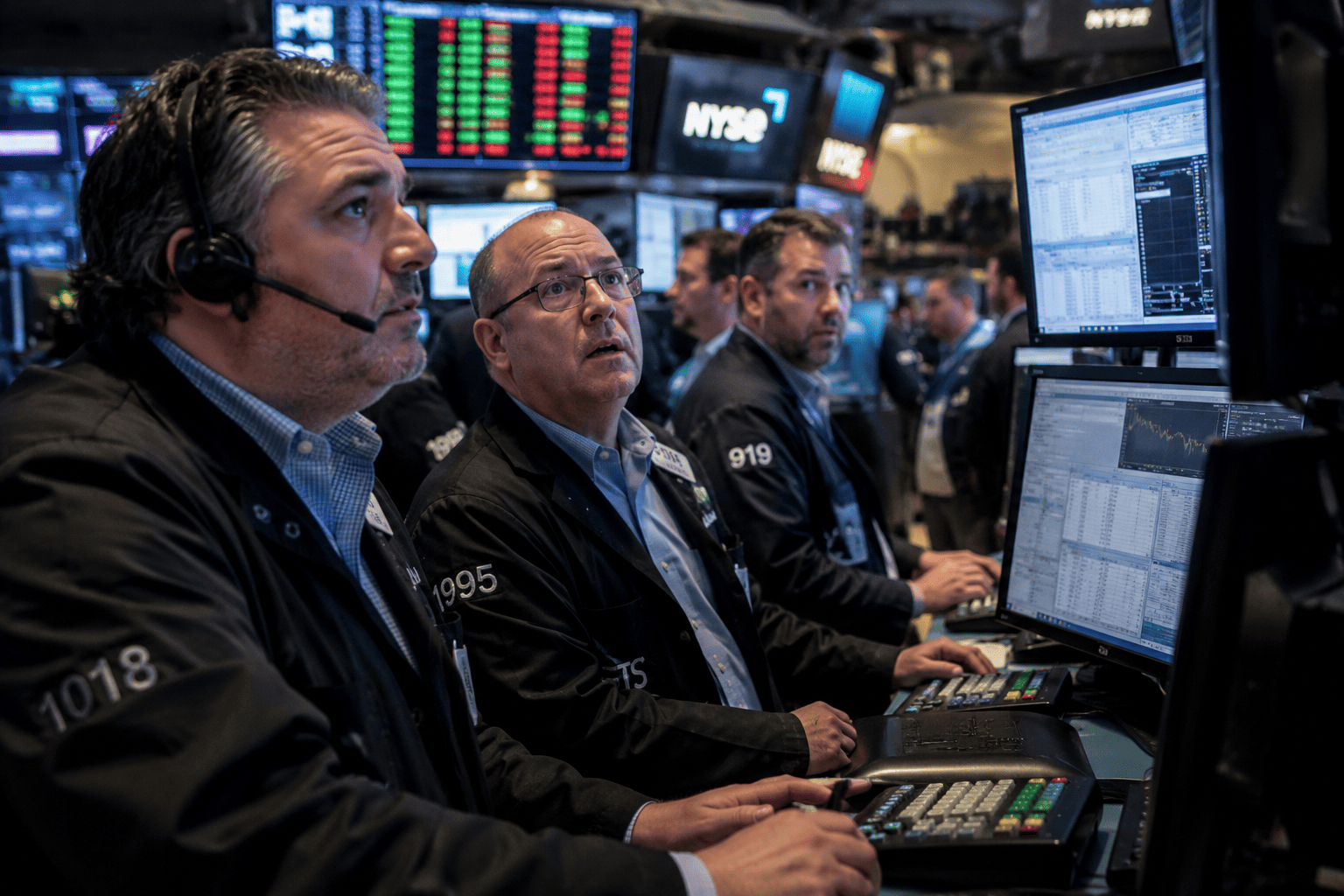
Brent crude futures dropped more than 1% to trade near $98.14 per barrel, falling below the psychologically significant $100 threshold. US West Texas Intermediate crude followed a similar path, declining 1.6% to approximately $93.15. The price retreat was attributed to market perceptions of reduced immediate supply disruption risks, fueled by reports of a tentative ceasefire between Israel and Lebanon and potential renewal of US-Iran negotiations. Lower energy costs generally alleviate inflationary pressures and support corporate profit margins and consumer spending power.
Persistent Supply-Side Caution
However, traders demonstrated reluctance to fully discount geopolitical risk premiums. Concerns persisted regarding shipping security in critical waterways like the Strait of Hormuz. Market analysts noted that sustained price relief would require clearer evidence of durable de-escalation, as the current diplomatic arrangements are time-limited. The International Monetary Fund has previously warned that prolonged regional conflict could adversely impact global economic growth, a factor keeping investor sentiment in check.
External Market Support
Asian trading received a supportive backdrop from overnight gains on Wall Street, where the S&P 500 and Nasdaq Composite both reached new record highs. Strong corporate earnings reports have continued to bolster equity market sentiment. Concurrently, the US dollar remained subdued, with the euro holding near $1.1779 and the Australian dollar maintaining strength. A weaker dollar typically eases global financial conditions and can provide additional lift to dollar-denominated assets and emerging market equities.
Investor Sentiment Analysis
The day's trading pattern suggested a measured approach from institutional participants. While the weekly trend remained positive, the intraday activity indicated some profit-taking rather than aggressive buying. This reflects a market environment where optimism over diplomatic progress is balanced against awareness of unresolved supply chain vulnerabilities. The resilience shown by equity markets in recent weeks appears more robust than the caution still evident in currency and commodity trading.
Key Factors for Market Direction
Market participants are likely to monitor several critical developments in the near term. The sustainability of oil prices below the $100 level will be closely watched for its implications on inflation expectations. The durability of ceasefire agreements will significantly influence the geopolitical risk assessment. Finally, the continuation of positive earnings surprises from US corporations will determine whether fundamental support can outweigh ongoing macro uncertainties.
This article is for informational purposes only and does not constitute financial advice.