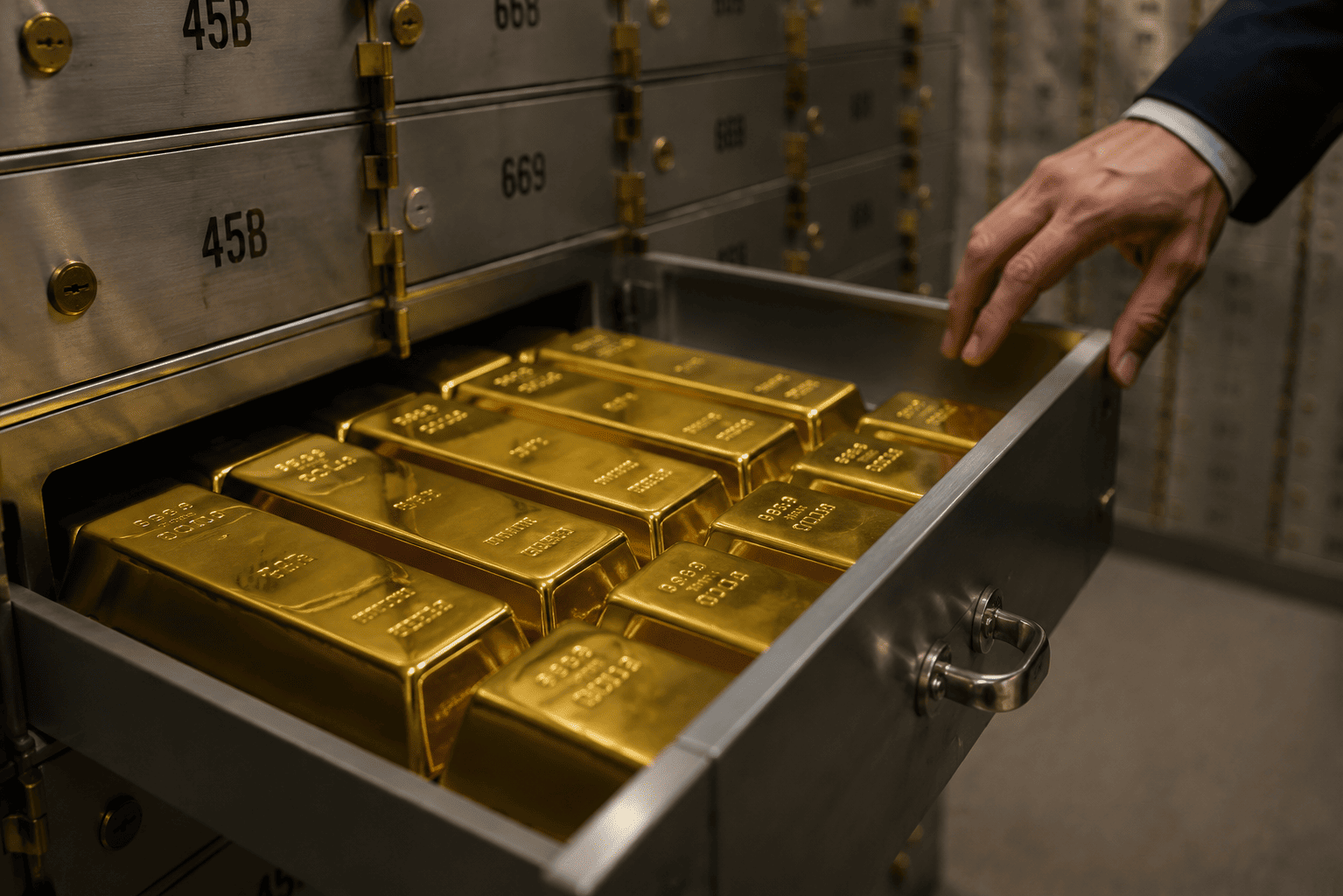
Gold prices surged to a two-week high on Wednesday, climbing 1.6% to $4,139.64 an ounce, as escalating Middle East risks and disruptions in the Red Sea revived haven demand. The move pushed bullion decisively above the $4,100 level, extending its recovery from the psychologically important $4,000 area, which had been tested during last week's steep sell-off.
Technical Rebound and Bargain Hunting
The latest rally was partly driven by investors rebuilding positions after gold's steepest weekly loss since early June. KCM Trade strategist Tim Waterer noted that buyers viewed the recent pullback as a value opportunity, while tentative diplomatic progress between Washington and Tehran helped ease the market's worst inflation fears. The break above $4,100 is significant, as that level had repeatedly capped earlier recovery attempts. XS.com strategists see the broader setup remaining constructive as long as bullion holds above $4,000. A sustained close above the latest resistance zone would strengthen the case for another push higher, while a reversal below $4,100 would suggest the move was largely driven by short covering.

Geopolitical Risks and Red Sea Disruption
The geopolitical backdrop remains supportive for gold. Three tankers carrying Saudi crude to Asian buyers reversed course in the Red Sea after Yemen's Iran-aligned Houthis threatened vessels using Saudi ports. This warning raises the prospect of disruption around the Bab el-Mandeb strait, while shipping through the Strait of Hormuz is already under pressure. The combination of threats to two major energy chokepoints encourages haven demand, even as higher oil prices can revive inflation and lift bond yields. The US military also completed an eleventh night of strikes on Iran, signaling that diplomacy has yet to materially slow the fighting. Pakistan and Qatar are continuing mediation efforts, while Iranian officials have discussed a proposed 10-day ceasefire. However, markets have repeatedly seen negotiation hopes fade, leaving bullion sensitive to each change in shipping flows and military activity.
Fed Meeting Caps Upside
The Federal Reserve's July 28-29 meeting is the next major test for gold. Investors will focus on whether Chair Kevin Warsh treats the oil shock as temporary or as a reason to maintain a tighter policy stance. Long-term Treasury yields remain elevated, with the 30-year yield near 5.13%, preserving a significant opportunity-cost headwind for non-yielding gold. Bullion may therefore need either softer yields or clearer diplomatic progress to extend its breakout. For context on broader market dynamics, see our analysis of Global FX Markets Stay Range-Bound as Traders Eye Inflation Data and Oil Price Risks.
Broader Precious Metals Rally
Silver, platinum, and palladium also advanced, pointing to broader buying across precious metals rather than an isolated haven move. Silver rose 1.9% to $59.87 an ounce, platinum gained 2.4% to $1,667.22, and palladium climbed 3% to $1,320.75. For more on silver's recent performance, see Silver Rebound Stalls at $57.50 as Geopolitical Risks and Oil Surge Complicate Outlook.
Meanwhile, other asset classes are reacting to similar themes. For instance, Palo Alto Networks Dips 3%: Analyst Sees AI-Driven Demand as Key Catalyst highlights how tech stocks are navigating their own catalysts amid broader market uncertainty.
This article is for informational purposes only and does not constitute financial advice.