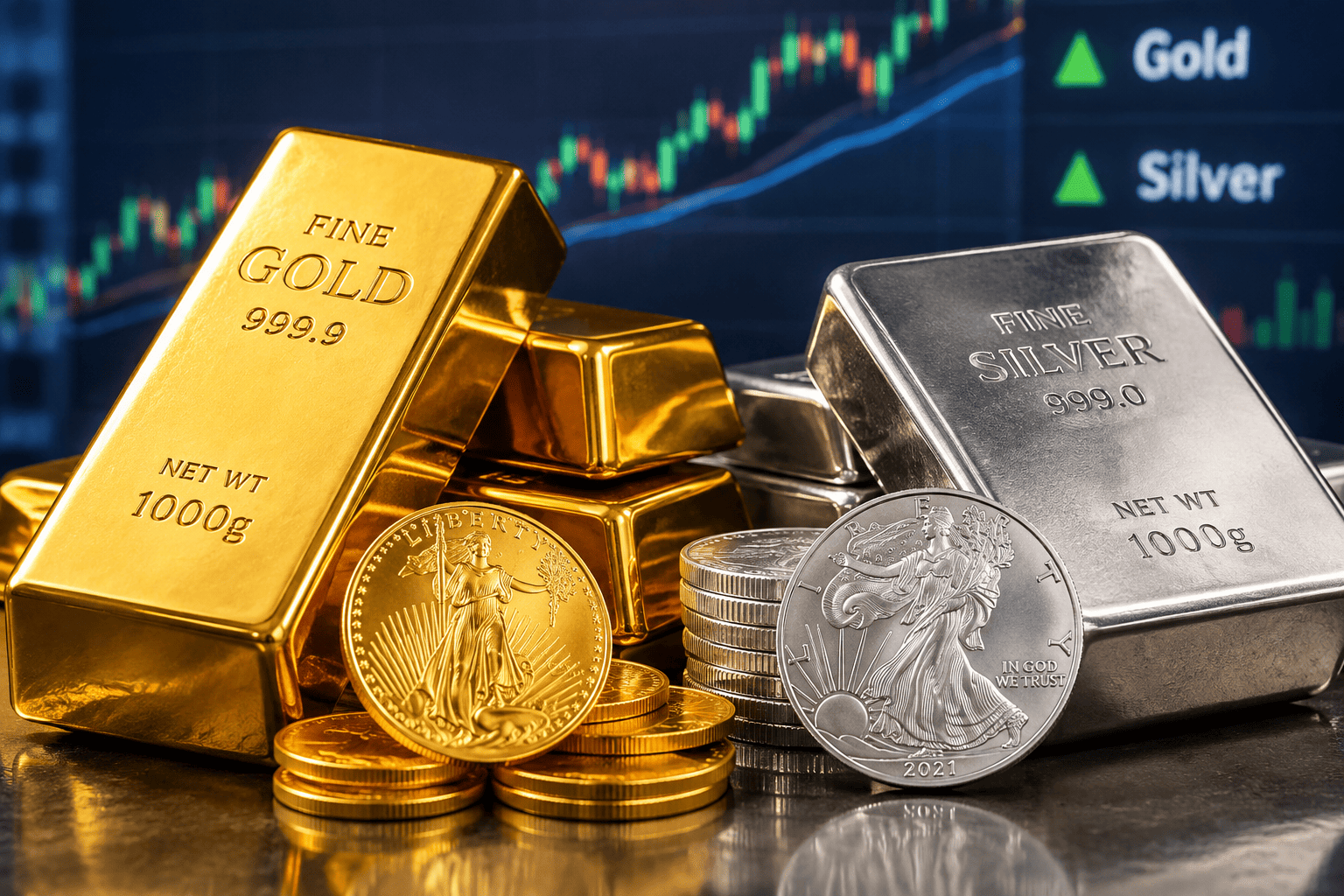
Gold extended its rebound to a two-month high on Tuesday, climbing 1% to $4,432.74 an ounce as investors rebuilt safe-haven positions ahead of key US inflation data. The metal has now risen sharply from the $4,000 area tested in July, supported by a weaker-than-expected jobs report and renewed geopolitical tensions in the Middle East.
Rate expectations shift in gold's favor
Friday's US employment report showed hiring slowed more than anticipated in July, reducing market expectations that the Federal Reserve will need to raise interest rates again soon. This has made non-yielding assets like gold relatively more attractive, as the opportunity cost of holding bullion declines.
The Fed kept its target range at 3.5% to 3.75% in July, but three officials dissented in favor of a quarter-point hike. That split makes this week's inflation data unusually important. The July consumer price index is due Wednesday at 8:30 am ET, followed by producer prices on Thursday.
Forex.com analyst Fawad Razaqzada noted that softer inflation would be the clearest route to extending gold's breakout. Evidence of cooling economic activity without another price acceleration would reduce pressure for tighter policy, potentially weighing on the dollar and supporting bullion. Conversely, a hotter CPI report would push bond yields and rate expectations higher, challenging gold's rally.
Positioning and demand dynamics
The speed of the rebound suggests positioning is playing an increasingly important role. IG analyst Tony Sycamore attributes the move to investors returning after missing the decline toward $4,000, speculative short-covering, and renewed demand for defensive assets. He believes a sustained breakout could eventually reopen a path toward $5,000.
The World Gold Council expects investment to remain the main source of demand growth through 2026, with Asian buying and over-the-counter activity becoming increasingly important. Central banks are also expected to remain significant net buyers. However, the Council cautions that Western ETF demand remains sensitive to real yields, monetary-policy expectations, and the dollar, leaving gold exposed if this week's inflation numbers revive the case for higher rates.
Geopolitical double-edged sword
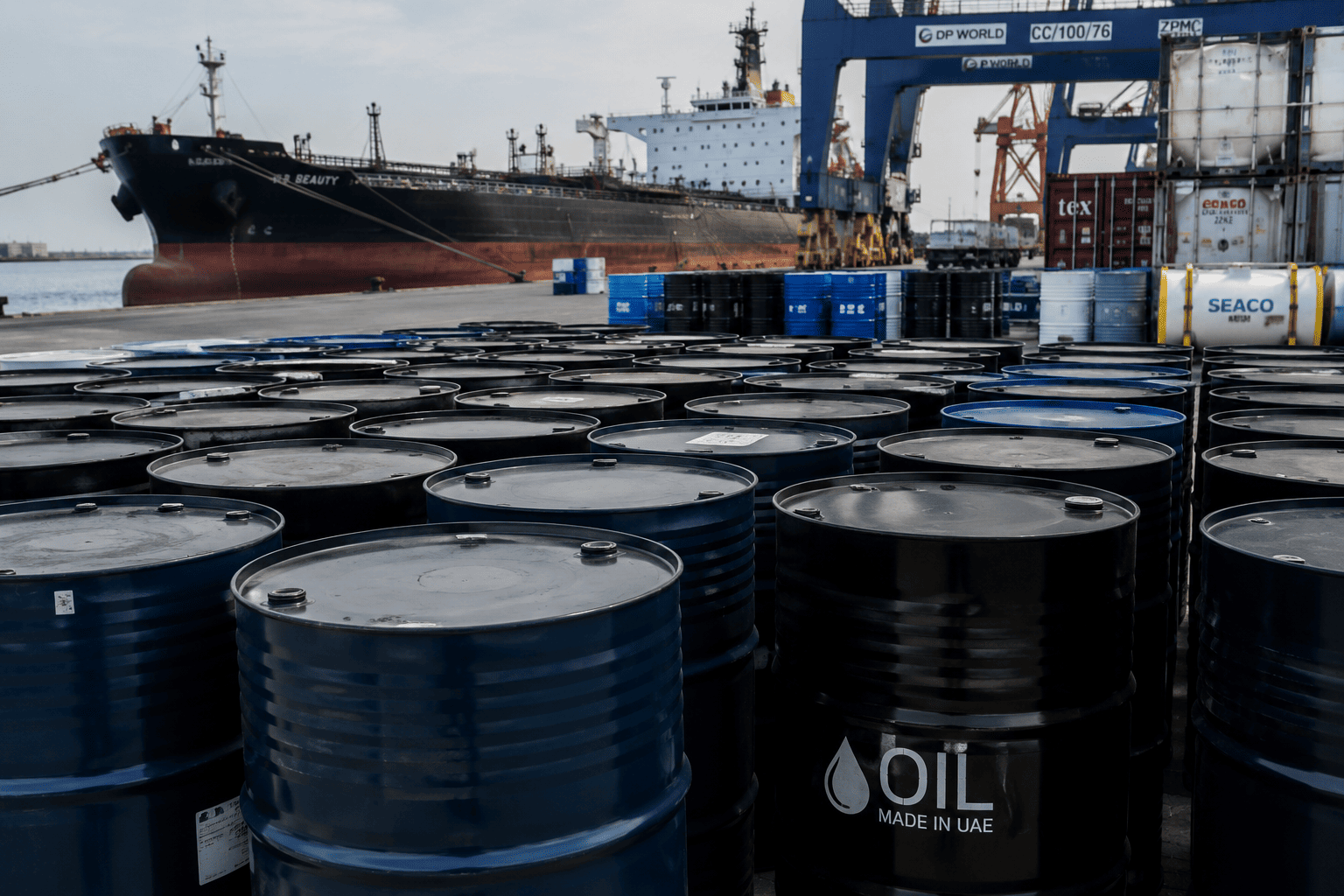
Geopolitical tension is providing another source of buying after US-Iran negotiations deteriorated. President Donald Trump responded to Iran's demands for compensation with demands of his own, complicating efforts to restore normal shipping through the Strait of Hormuz. The resulting oil rally creates an unusual problem for gold: while geopolitical risk can increase demand for bullion, sustained gains in crude could lift inflation expectations and make the Fed more willing to tighten policy.
Brent crude traded near $88 a barrel on Tuesday as expectations for a quick peace agreement faded. If Hormuz disruption keeps pushing energy prices higher, that same geopolitical premium could revive the inflation trade that hurt gold earlier this year. For now, gold is benefiting from two forces that could eventually collide: weak employment reducing near-term rate pressure and Middle East uncertainty restoring safe-haven appeal.
Other precious metals
Silver rose 0.9% to $66.30 an ounce, platinum gained 0.7% to $1,765.26, and palladium advanced 0.8% to $1,394. The broader precious metals complex is also drawing support from the same macro and geopolitical factors driving gold.
Investors will be watching Wednesday's CPI report closely, as it could determine whether gold's rally has legs or if the road to $5,000 remains blocked. Related coverage: oil's climb on Hormuz tensions and the cooling labor market.
This article is for informational purposes only and does not constitute financial advice.