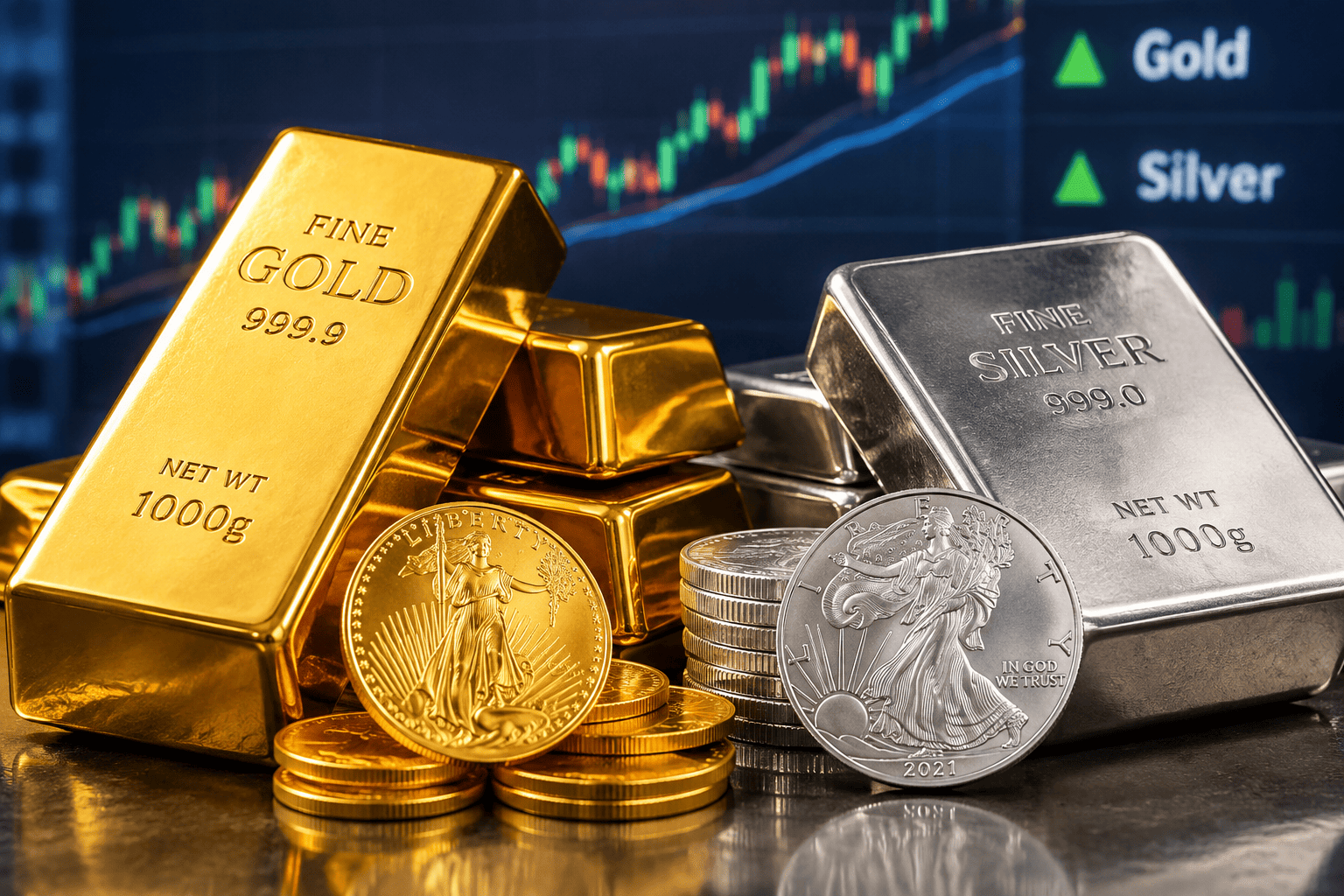
Gold has broken decisively below the $4,000 psychological level, sliding to a seven-month low as a resurgent dollar and growing expectations of Federal Reserve rate hikes overwhelm the metal's traditional safe-haven appeal. Spot gold fell 0.4% to $3,985.89 an ounce, while August futures eased to $4,001.60, keeping the market on the defensive after Wednesday's sharper drop.
Dollar Strength Reshapes the Gold Trade
The primary catalyst for gold's weakness is not a collapse in geopolitical risk, but the renewed strength of the U.S. dollar. The greenback advanced for a third consecutive session, touching a 13-month high, which makes bullion more expensive for holders of other currencies. This dollar rally has turned what was once a crowded haven trade into a test of patience for gold investors.

The interest-rate backdrop is compounding the pressure. Traders are now pricing in three Fed rate hikes this year, with a 67% probability of an increase in September, according to the CME FedWatch Tool. For a non-yielding asset like gold, higher cash and bond yields create a formidable headwind, forcing the metal to work harder to attract fresh inflows. As silver also dropped below $60, the broader precious metals complex is feeling the strain.
PCE Inflation Data Takes Center Stage
The immediate test for gold and the broader market is the U.S. personal consumption expenditures (PCE) report, the Fed's preferred inflation gauge, due later Thursday. The data will shape expectations for how far policymakers may go in containing price pressures. Treasury Secretary Scott Bessent has backed Fed Chair Kevin Warsh's push to reduce forward guidance, while urging policymakers to keep an open mind about the inflation impact of the Iran conflict. This points to a less predictable policy path, meaning every inflation print now carries more weight for yield-sensitive assets.
Geopolitical Risks Offer Limited Support
Middle East developments have prevented a cleaner bearish turn in gold. Israel and Lebanon are discussing a US-backed plan that could see Israeli forces transfer parts of occupied southern Lebanese territory to the Lebanese military, a possible step towards easing regional tensions. However, the main driver for bullion remains macro rather than geopolitics. Gold slid 1.5% earlier this week as oil spikes and rising yields overrode haven demand, reinforcing the macro narrative.
Broader Precious Metals Mixed
Silver fell 0.2% to $57.33 an ounce, and platinum lost 0.2% to $1,575.85, while palladium bucked the trend, rising 0.3% to $1,170.25. The divergence highlights the selective nature of the current selloff, with gold bearing the brunt of the dollar and rate pressure.
Outlook: Psychological and Technical Crossroads
For gold, the next line is psychological as much as technical. Holding below $4,000 keeps sellers in control unless the PCE data weakens the dollar or softens the Fed-hike narrative. A cooler-than-expected inflation print could trigger a sharp reversal, but for now, the macro winds remain firmly against the yellow metal. Gold slipped below $4,110 earlier as rising yields countered safe-haven demand, and the trend has only accelerated.
This article is for informational purposes only and does not constitute financial advice.