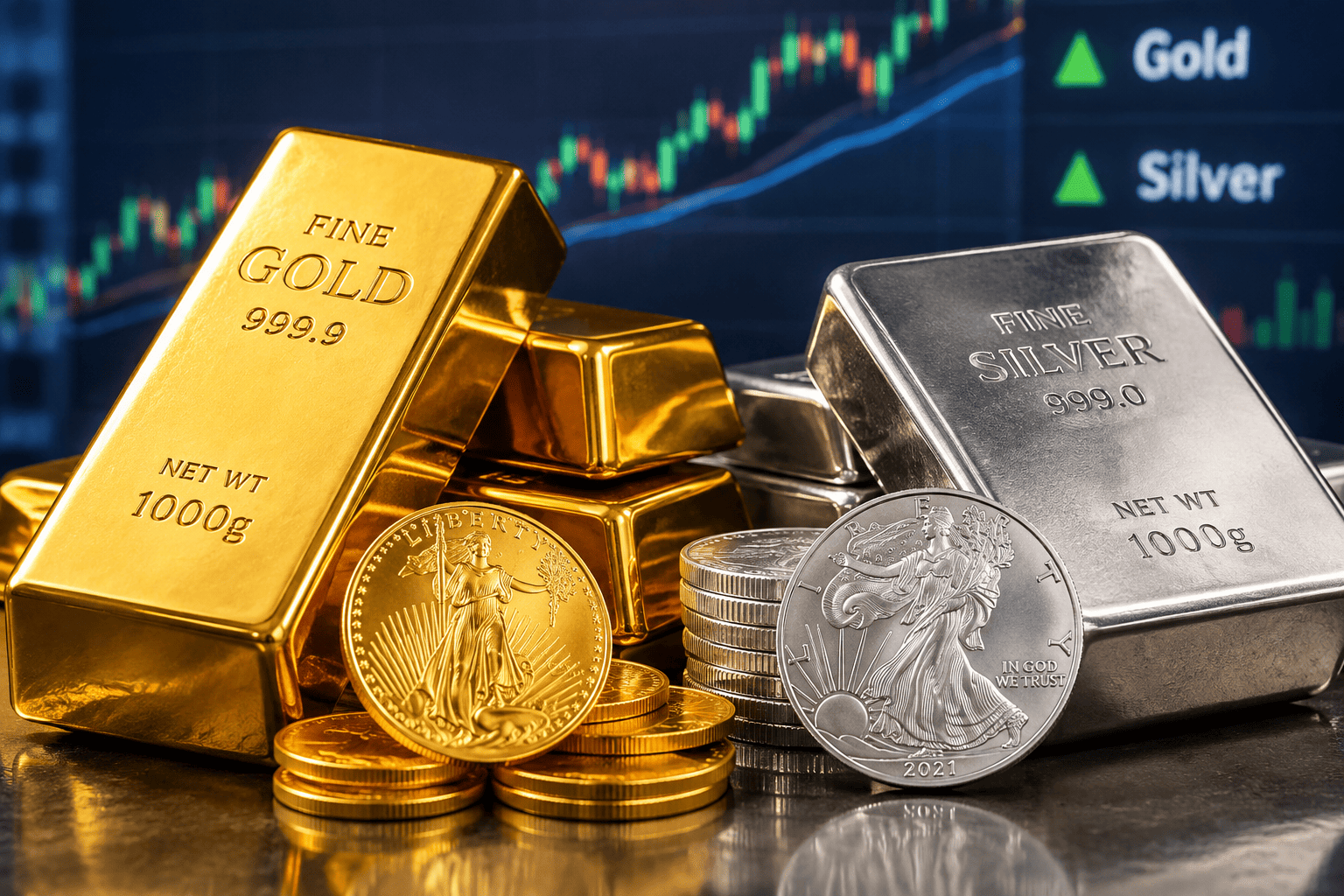
Gold prices climbed to a seven-week high on Thursday, extending a four-session winning streak as optimism over a potential resolution in the Strait of Hormuz weighed on the dollar and Treasury yields, while soft US employment data further supported bullion. Spot gold rose 0.5% to $4,265.22 an ounce, its highest level since June 18, after a 4.4% surge on Wednesday—the strongest daily gain since February.
Hormuz hopes shift market dynamics
The latest rally in gold reflects an unusual reversal of the typical geopolitical playbook. Initially, the Middle East conflict hurt bullion because energy supply disruptions lifted oil prices, stoking inflation fears and raising expectations that the Federal Reserve would hike interest rates. Now, signs that Iran and Oman may reach an arrangement to restore shipping through the Strait of Hormuz have pushed crude lower, easing inflation concerns and reducing the dollar's appeal, thereby lowering the opportunity cost of holding non-yielding gold.

However, the diplomatic path remains uncertain. A proposed temporary arrangement would reorganize shipping through Iranian and Omani waters, but mine-clearing and security measures would take time. US maritime authorities still classify the threat to commercial vessels in the Gulf as high. Despite the four-day recovery, gold remains about 19% below its level when the US-Iran conflict began on February 28, underscoring that geopolitical tension does not automatically boost bullion when the market perceives inflation and interest-rate consequences as more powerful than safe-haven demand.
Weak jobs data bolsters rate-cut bets
The dollar and Treasury yields weakened further after ADP reported that US private employers added just 44,000 jobs in July, down from a revised 95,000 in June and below the 75,000 expected. The report added to evidence of cooling hiring, although annual pay growth remained firm at 4.4%. Traders reduced the probability of a quarter-point Fed rate increase in September to roughly 55%, down from about 67% earlier in the week.
Attention now turns to Friday's official US employment report. Economists expect nonfarm payrolls to rise by about 83,000 after a 57,000 increase in June, with unemployment holding at 4.2%. A weaker result could extend gold's rebound by pulling yields and the dollar lower, while a stronger report would risk reviving rate-rise expectations.
Technical barrier remains
Despite the improved short-term technical picture, gold has not yet cleared the level needed to confirm a broader recovery. IG market analyst Tony Sycamore identifies the 200-day moving average as the key test, with recent technical analysis placing the indicator near $4,490—well above Thursday's spot price. A sustained break through that area could strengthen momentum and reopen a path towards $5,000. Until then, the latest advance remains a rebound within a much larger correction from January's record high.
In other metals, silver slipped 0.1% to $62.02 an ounce, while platinum rose 1.2% to $1,755.18 after reaching its highest level since June. Palladium gained 0.8% for a third consecutive session.
For context, gold's recent rebound mirrors similar moves in other assets, such as gold's earlier bounce on dollar weakness, and comes amid broader market optimism driven by AI-driven tech rebounds. Meanwhile, oil's volatility remains a key factor, as oil rebounded on Iran's denial of talks, highlighting the fragile nature of geopolitical headlines.
This article is for informational purposes only and does not constitute financial advice.