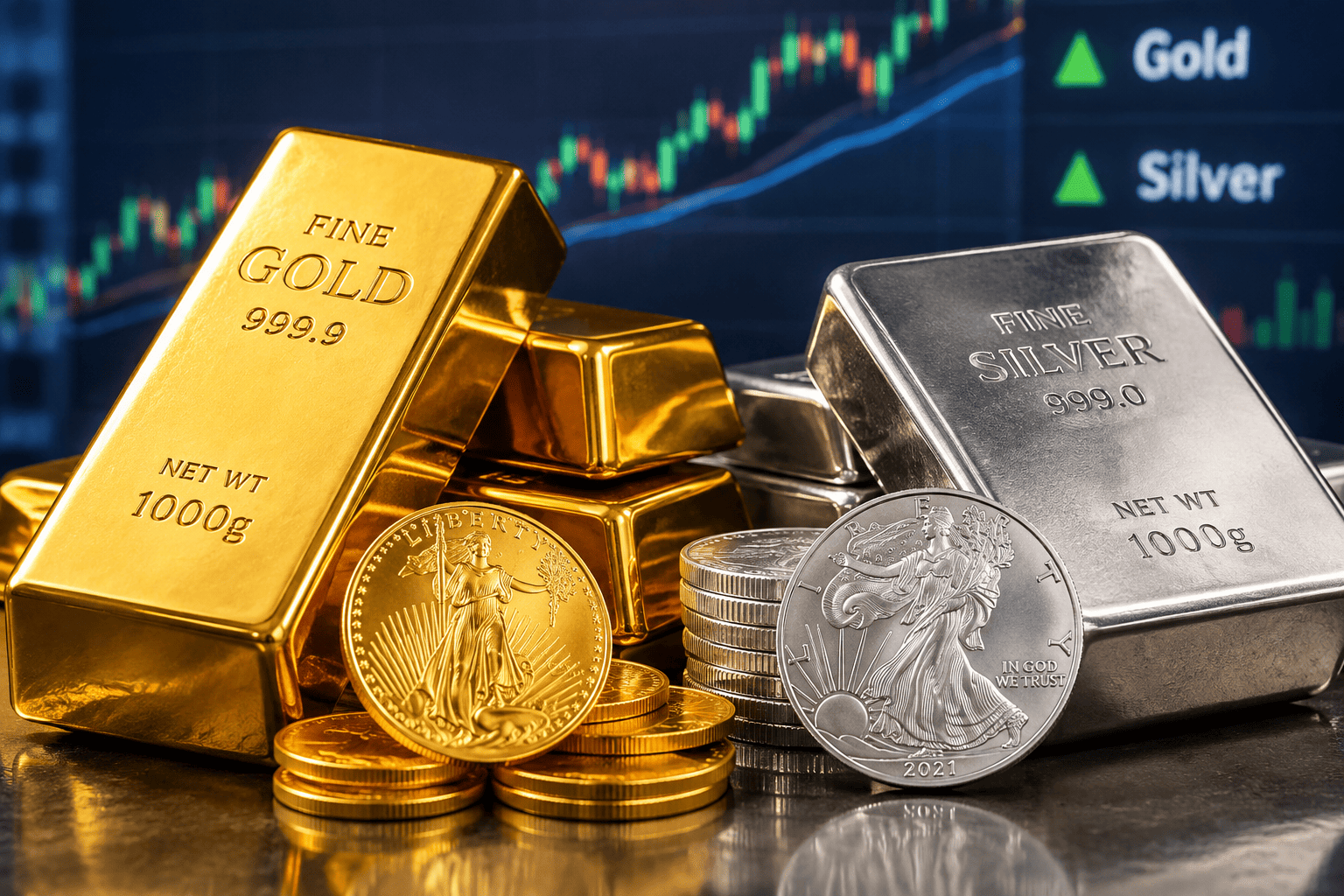
Gold slipped on Monday as investors locked in profits following a robust weekly rally, with market attention shifting from a softening U.S. labor market to upcoming inflation data that could determine the Federal Reserve's next move.
Spot gold fell 0.5% to $4,322.28 per ounce in early trading, while U.S. gold futures declined 0.4% to $4,381.60. The metal had touched its highest level since June 17 on Friday and posted a weekly gain of more than 7% after an unexpected contraction in U.S. payrolls dragged Treasury yields lower and reduced expectations for another near-term rate increase.
Monday's retreat leaves gold above the $4,300 support level, but Wednesday's consumer-price index (CPI) report is now the key test for that support.
Jobs shock strengthens gold's rate argument
Friday's employment report significantly altered the policy backdrop. U.S. nonfarm payrolls fell by 23,000 in July, while May and June payroll growth was revised down by a combined 103,000. The unemployment rate edged lower to 4.1%, though labor-force participation slipped to 61.4%.
That combination weakened the case for an immediate Fed rate increase and helped gold extend its rebound. Fed-funds futures were pricing a 44% probability of a quarter-point September rate hike after the report, down from 54.7% before the data and roughly two-thirds a week earlier.
The shift is significant for bullion because gold generates no income. When investors expect policy rates and bond yields to remain lower, the opportunity cost of holding the metal declines.
KCM Trade chief market analyst Tim Waterer views Monday's retreat as profit-taking rather than evidence that the broader recovery has stalled. In his view, the $4,300 area can continue to provide support after last week's rally, provided incoming inflation figures do not revive expectations for tighter monetary policy.
CPI replaces payrolls as gold's next trigger
The focus now shifts to July consumer prices, due Wednesday at 8:30 a.m. ET, followed by producer-price data on Thursday. Economists expect headline CPI to rise 0.1% from June and core prices to increase 0.2%.
These numbers matter because the Fed is dealing with increasingly conflicting signals. Hiring has weakened sharply, but inflation remains above the central bank's 2% target. June headline CPI rose 3.5% year-over-year, down from 4.2% in May, while core inflation eased to 2.6%.
Much of the monthly decline in headline prices came from a 5.7% drop in energy costs, making the recent rebound in crude particularly relevant to the July outlook. A benign CPI reading would strengthen the case for holding rates steady and could give gold another attempt at Friday's seven-week high. A hotter result would complicate the rally by potentially pushing Treasury yields and the dollar higher.
Waterer sees softer inflation as the clearest route to another leg higher in bullion. That also highlights why the jobs-driven rally is not yet a one-way trade: gold has already priced in a meaningful reduction in September tightening risk, leaving inflation as the next catalyst capable of confirming or reversing that move.
Hormuz tensions create an unusual risk for gold bulls
Geopolitics adds another layer of complexity. Iran says an agreement with Oman defining new shipping lanes through the Strait of Hormuz is in its final stages, but Tehran has tied a full reopening of the waterway to additional U.S. concessions.
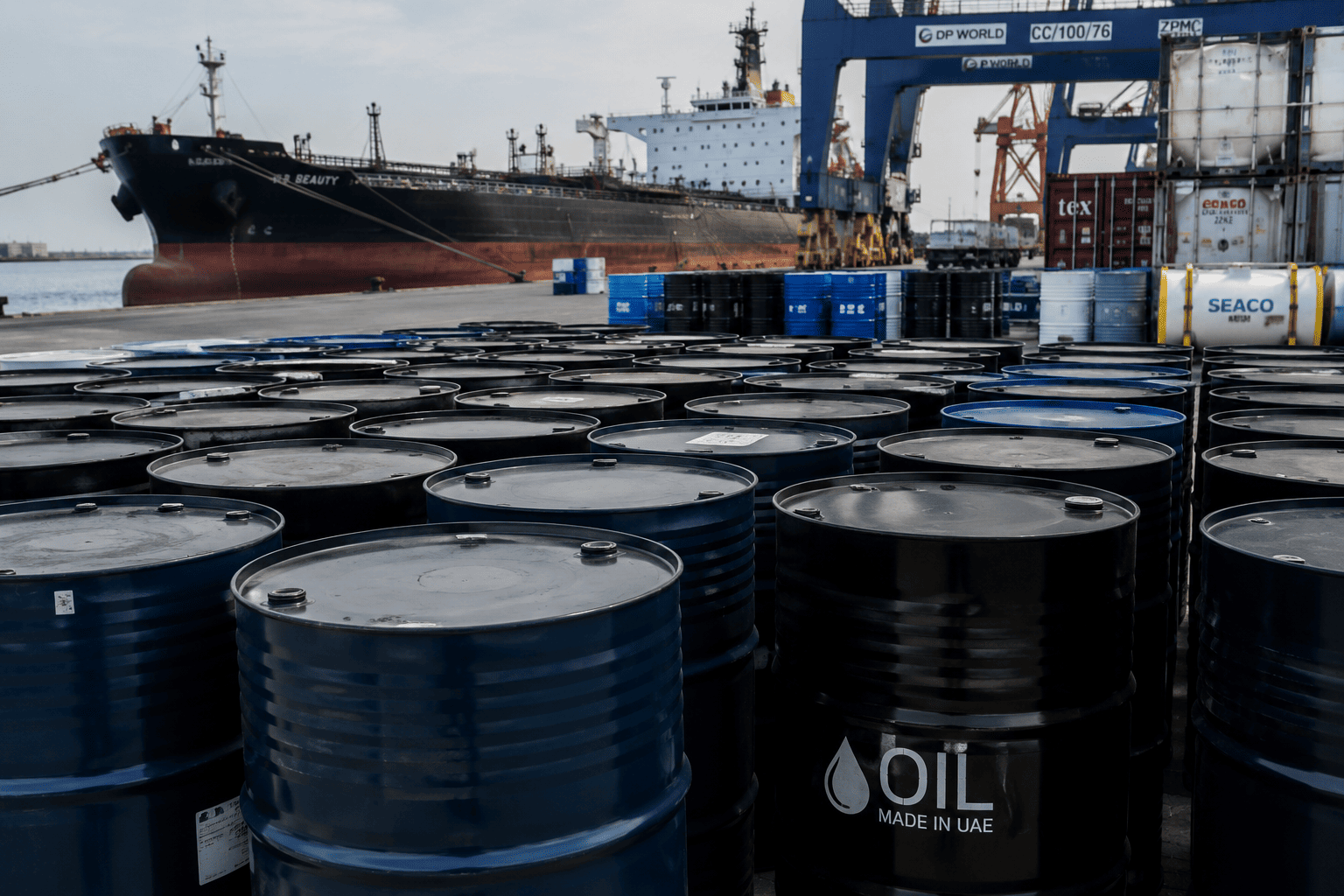
That uncertainty helped Brent crude rise about 1% to $84.40 a barrel on Monday, while U.S. crude climbed to around $78.80 as shipping through the strait remained heavily restricted. Ordinarily, renewed Middle East tension can support gold through safe-haven demand, but the relationship is more complicated in the current market.
A sustained oil surge could lift inflation expectations, strengthen the case for higher interest rates, and ultimately pressure bullion through rising yields. Conversely, a diplomatic breakthrough that sends crude lower could be bullish for gold through the rates channel, even as it reduces conventional haven demand.
In other metals, silver fell 0.2% to $63.45 an ounce, platinum lost 0.1% to $1,742.50, and palladium declined 1.1% to $1,362.97.
For more on how the jobs report is influencing markets, see the latest stock market reaction. Also, check out oil's response to Hormuz developments and gold's recent range-bound trading.
This article is for informational purposes only and does not constitute financial advice.