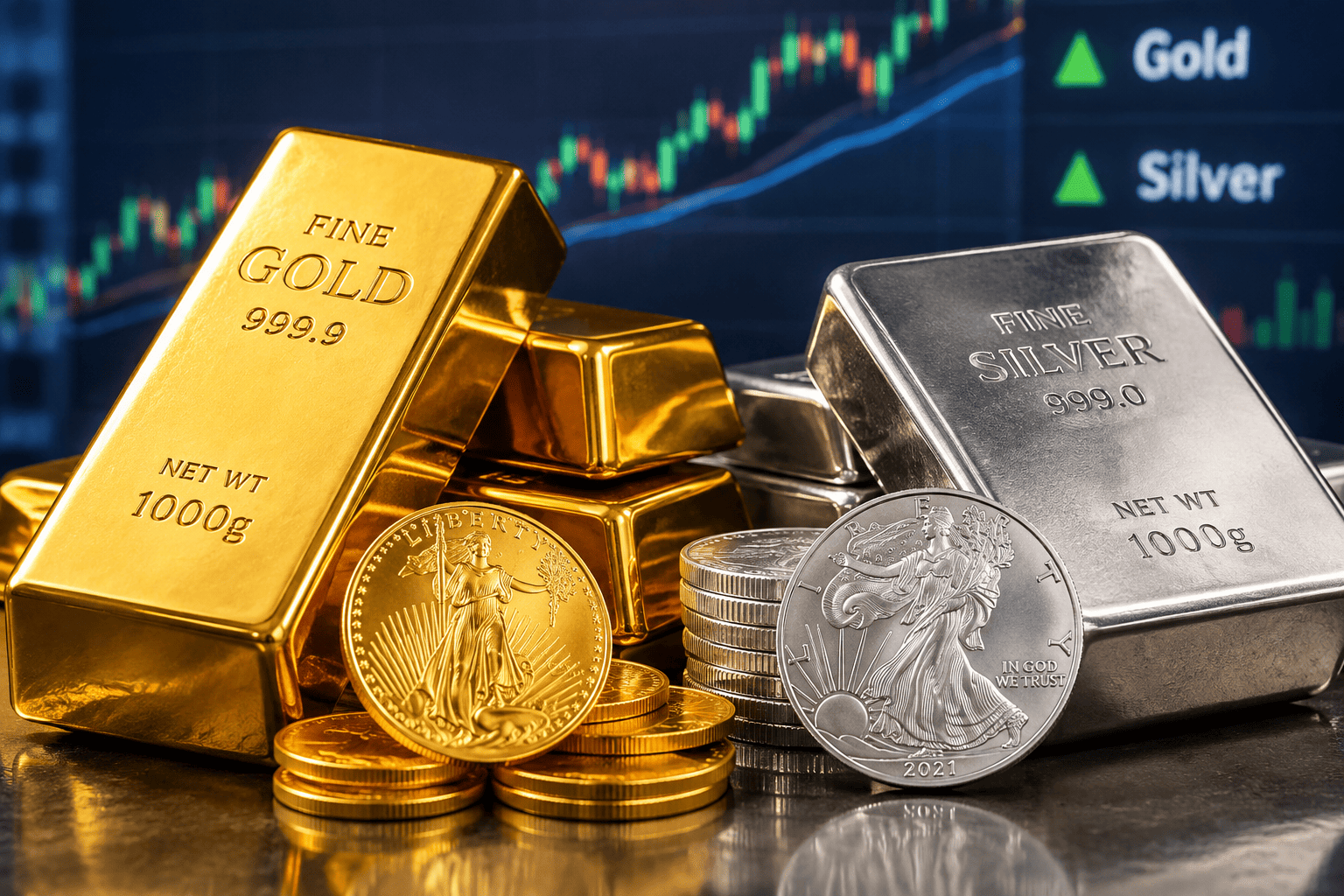
Gold prices edged higher on Tuesday, but the metal's narrow trading range may be setting the stage for a more dramatic move. Spot gold rose 0.2% to $4,062.41 an ounce by 5:04 AM GMT, staying within the $4,000-to-$4,200 band that has held for weeks.
Investors are caught between two opposing forces: geopolitical tensions that support safe-haven demand, and resilient US employment that could keep the Federal Reserve on a tightening path. Higher energy costs and expectations of another rate increase threaten to lift bond yields, reducing the appeal of non-yielding bullion.
Two Paths to an Upside Surprise
Gold may not need the conflict to escalate to see gains. Washington and Tehran offer conflicting accounts of diplomatic progress. President Donald Trump says discussions are underway, while Iran denies any negotiations. A renewed escalation would boost safe-haven buying, but progress toward an agreement could also help gold indirectly.
Bas Kooijman, CEO of DHF Capital, told The Wall Street Journal that US-Iran progress could lower oil prices, ease inflation fears, and pull bond yields down. That would reduce the opportunity cost of holding an asset that pays no interest. A credible peace process could support prices if cheaper energy convinces investors the Fed has less reason to tighten again.
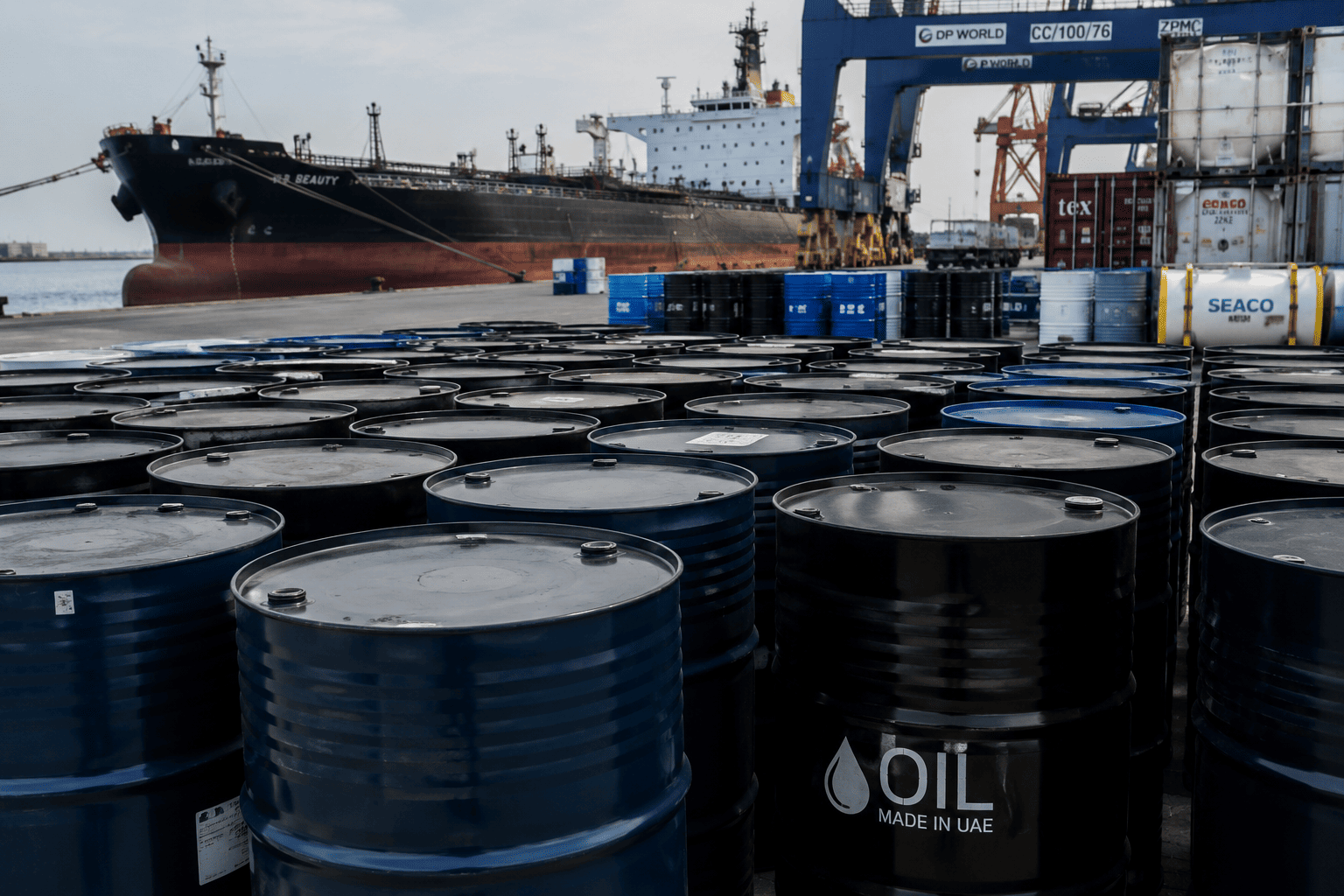
Conversely, another oil spike could raise inflation expectations and rate-hike bets, allowing monetary-policy concerns to outweigh safe-haven buying. The recent oil supply shock has already pushed Brent above $92, adding to inflationary pressures.
Labor Data as the Immediate Catalyst
US labor reports are the immediate focus. Investors await job-openings figures, private-payroll data, and Friday's nonfarm-payroll report for evidence that employment is cooling. Traders currently assign a 65% probability to a September rate increase.
Ajay Kedia of Kedia Commodities said labor-market weakness could pressure the dollar and lift gold, while reduced expectations of a September increase would offer further support. Strong data would reinforce the opposite trade, supporting the dollar and Treasury yields.
Deutsche Bank strategist Michael Hsueh told MarketWatch that gold remains in an "explosive price behavior phase." The bank retained its $4,600 year-end target despite the metal's retreat from its January record. Metals Focus expects gold to remain range-bound through summer, with a decisive recovery potentially waiting until investors scale back expectations for tighter policy, possibly later in the third quarter.
Central Banks Provide a Floor
Official-sector demand remains an important structural support, even though purchases have slowed from peaks. The World Gold Council's annual survey found that 89% of responding reserve managers expect global central-bank holdings to increase during the next year. A record 45% expect their own institutions to add gold.
That demand cannot prevent every correction, but it may explain why buyers continue to emerge near $4,000. Technical resistance remains formidable. TD Securities strategist Bart Melek said in commentary carried by FXStreet that recent rebounds appeared driven by short covering and dip buying rather than aggressive new positioning. He identified resistance around $4,200 and warned that higher oil, yields, and Fed probabilities could push gold towards $3,900.
For investors, the current calm may be deceptive. As the ECB's recent rate decision showed, energy price shocks can cloud inflation outlooks and shift policy expectations. Similarly, gold's next major move could come from a shift in Fed expectations, whether driven by labor data or oil prices.
While gold's range persists, the underlying dynamics suggest a breakout could be sharp. As analysts often note, when markets compress, the eventual expansion can be violent. Gold's next surprise may be to the upside.
This article is for informational purposes only and does not constitute financial advice.