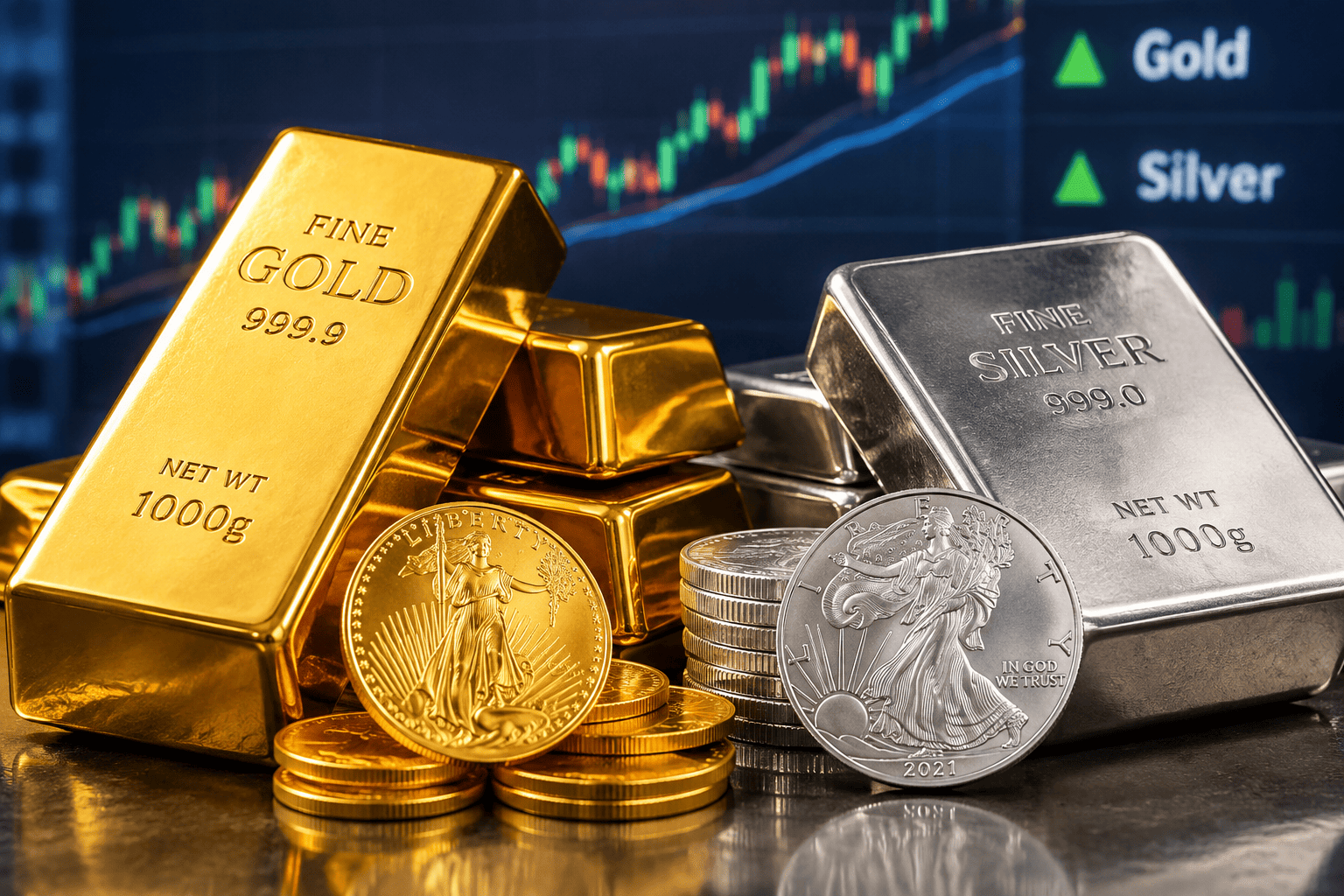
Gold prices are holding steady near $4,029 an ounce on Wednesday as market participants await the Federal Reserve's interest-rate decision and subsequent press conference from Chair Kevin Warsh. The outcome could reset the outlook for rates, the dollar, and bullion after weeks of volatile trading.
Spot gold was little changed at $4,029.08 by 0301 GMT, while August US futures slipped 0.2% to $4,028.10. The muted price action masks a deeply divided policy debate: futures markets still favor no change, but assign a meaningful probability to an immediate rate increase.
Warsh's tone matters more than the decision
According to CME FedWatch, there is roughly a 68% probability that the Fed will leave rates unchanged and about a 32% chance of a quarter-point increase. Traders see the likelihood of a move by September at around 77%. This leaves gold vulnerable in either direction.
OANDA analyst Kelvin Wong noted that bullion would likely need a less hawkish message from the Fed to reverse its recent bearish bias. A hold accompanied by a warning that rates may rise soon could still lift Treasury yields and the dollar, limiting any relief rally. The July meeting concludes at 2 pm ET, followed by Warsh's press conference at 2:30 pm ET.
The statement and the chair's explanation will provide the main clues on whether policymakers are preparing to tighten as early as September. This is a critical moment for gold, as the Fed faces a tough call amid resurgent inflation risks.
Inflation hedge meets higher-rate reality
Gold's traditional role as an inflation hedge has become less straightforward. While the metal is often bought as protection against rising prices, tighter monetary policy raises the opportunity cost of holding an asset that pays no interest. That tension has intensified as renewed Middle East attacks keep energy markets unsettled.
The US military said it intercepted Iranian ballistic missiles aimed at American forces, while firmer oil prices and shrinking US crude inventories revived concerns that energy costs could complicate the inflation outlook. The dollar's rise towards a one-month high has added another headwind, making bullion more expensive for overseas buyers.
Structural buyers put a floor under bullion
The short-term rates debate has not erased gold's longer-term support. Commerzbank lowered its year-end forecast to $4,500 an ounce, still implying upside from current levels, and projected silver at $67. Central-bank buying also remains an important cushion. The World Gold Council said 89% of surveyed reserve managers expect global official-sector gold holdings to increase over the next 12 months. Central banks bought an estimated 244 tonnes in the first quarter.
In other precious metals, silver rose 0.9% to $57.65, platinum added 0.3% to $1,600.40, and palladium fell 0.7% to $1,261.43.
For gold, Wednesday's outcome will turn on one question: whether Warsh validates the market's rate-hike fears or gives bullion room to stabilise above $4,000.
This article is for informational purposes only and does not constitute financial advice.