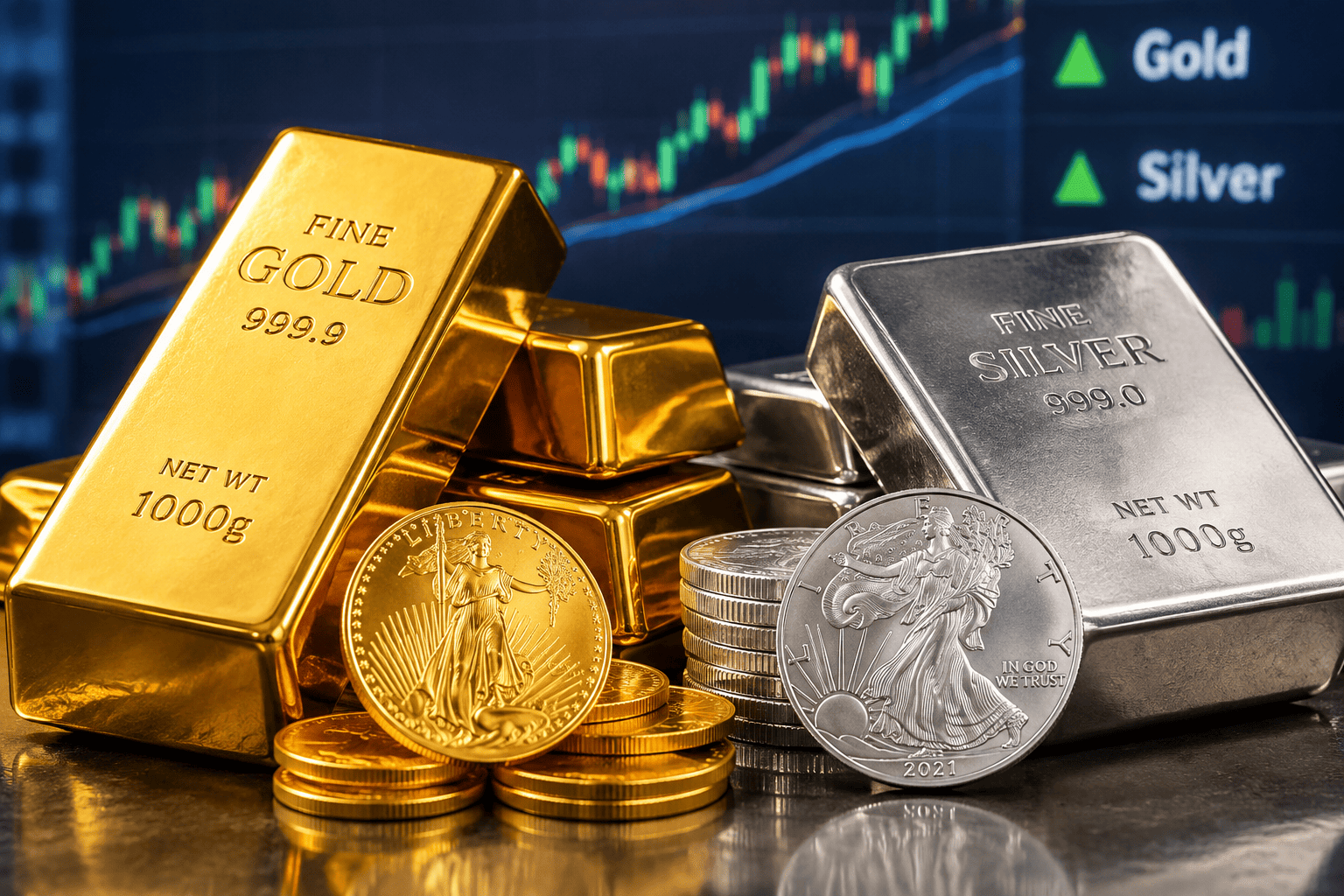
Gold prices extended their decline on Monday, falling 0.7% to $4,061.35 per ounce in spot trading, even as renewed US-Iran military strikes in the Gulf pushed crude oil higher. The divergence highlights a shift in how markets are interpreting geopolitical risk: higher energy costs are now seen as a catalyst for tighter monetary policy rather than a traditional safe-haven trigger for bullion.
Oil Shock Revives Inflation Concerns
Over the weekend, Iran launched missiles and drones at US military sites in Kuwait and Bahrain following fresh American strikes in the Gulf, raising doubts about the fragile ceasefire. The escalation sent Brent crude bouncing from a four-month low as traders reassessed risks around the Strait of Hormuz, a critical chokepoint for global crude and LNG shipments.
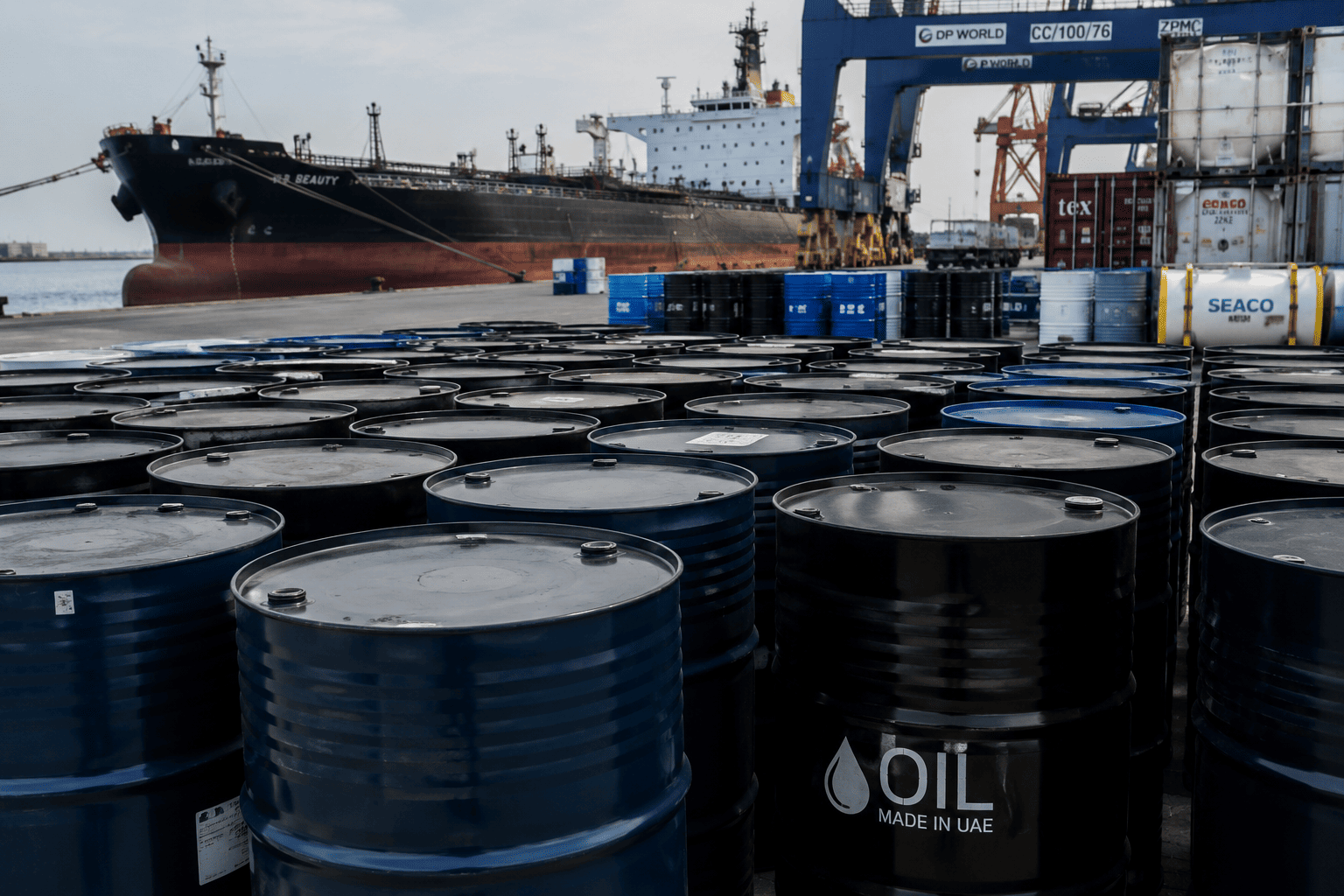
For gold, the oil price move is uncomfortable. Higher crude typically lifts inflation expectations, which historically supports bullion as a hedge. However, this time the market is interpreting energy inflation as a reason for the Federal Reserve to maintain or even increase interest rates.
Fed Rate Expectations Weigh on Bullion
According to CME FedWatch, traders now see at least one Fed rate increase this year, with roughly an 80% probability of a hike in December. That expectation is the primary reason gold has failed to benefit from geopolitical anxiety. Since gold pays no interest, it becomes less attractive when cash and bonds offer higher yields.
A strengthening dollar has added another headwind, making dollar-priced bullion more expensive for international buyers. Analysts note that the market is no longer trading gold purely as a crisis hedge; instead, it is being driven by the interplay between oil, inflation expectations, and the Fed's reaction function.
Jobs Data Becomes the Next Test
Investors will turn to this week's US labor market data for clues on whether the economy can tolerate higher rates. The June ADP employment figures and the nonfarm payrolls report are due, and a softer set of numbers could help gold stabilize by cooling the dollar and easing rate expectations. Conversely, a resilient labor market would strengthen the case for further tightening and keep any rallies under pressure.
Diplomacy remains another swing factor. Washington and Tehran have reportedly agreed to halt recent hostilities and restart talks on the Strait of Hormuz, but the weekend strikes underscore how fragile that process remains.
In other precious metals, silver fell 1.1% to $58.51 an ounce, while platinum gained 1% to $1,630.13 and palladium rose 0.8% to $1,218.92.
This article is for informational purposes only and does not constitute financial advice.