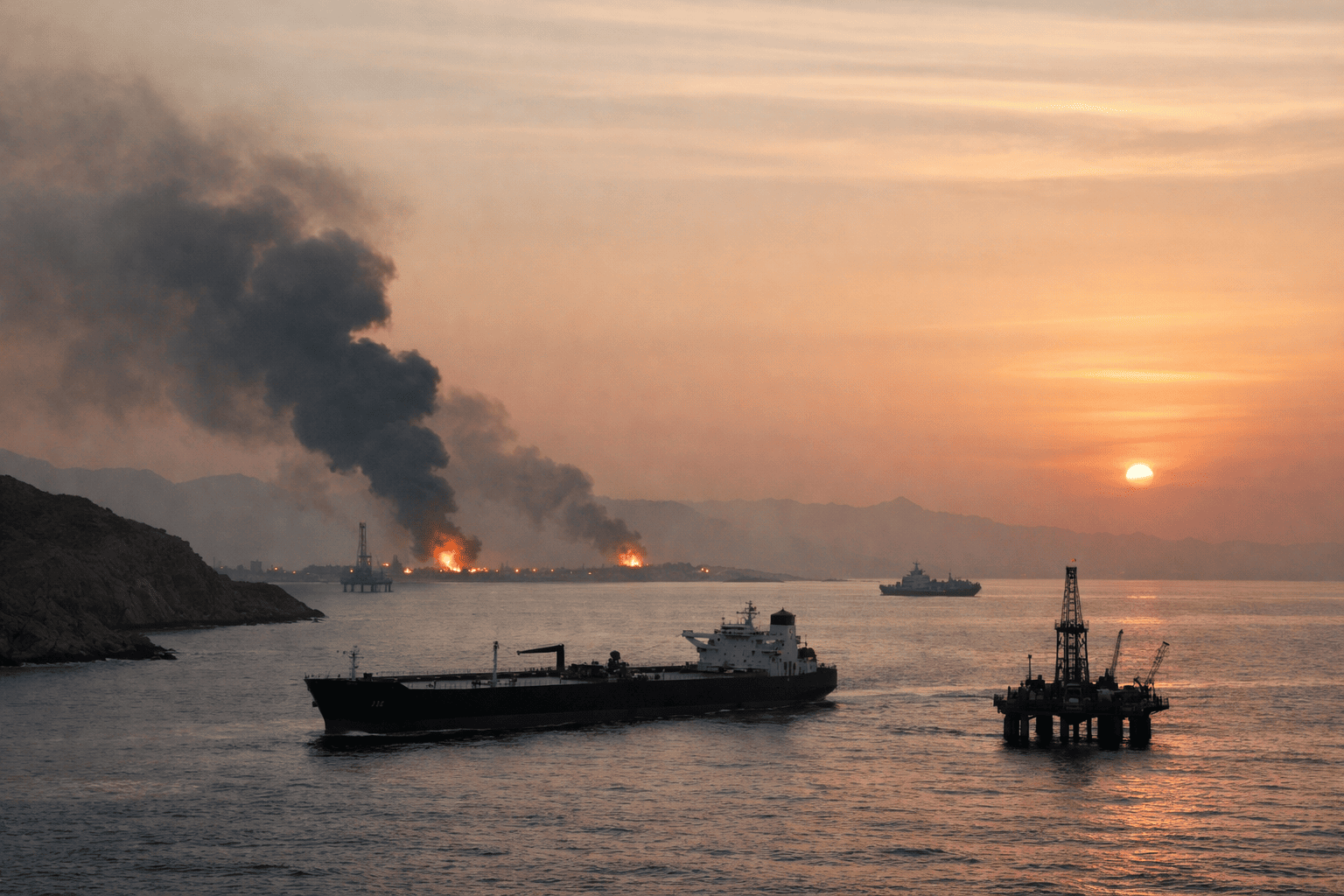
Oil prices climbed on Monday as renewed military strikes between the United States and Iran near the strategic Strait of Hormuz reignited fears that the fragile Gulf ceasefire may not ensure uninterrupted energy shipments. Brent crude rose approximately 0.8% to $72.57 per barrel, while US West Texas Intermediate (WTI) advanced 1.3% to $70.11, snapping a recent downtrend that had pushed prices to their lowest levels since late February.
Renewed Hostilities Near Key Chokepoint
The latest escalation occurred on June 27, when US Central Command (CENTCOM) reported that American forces conducted additional strikes against multiple Iranian targets following a drone attack on the Panama-flagged tanker M/T Kiku, which was carrying over two million barrels of crude oil near the strait. The US military stated that the strikes targeted Iranian military surveillance infrastructure, communications systems, air defense sites, drone storage facilities, and minelayer capabilities. Over the weekend, reports also emerged of drone and missile activity involving Bahrain and Kuwait, underscoring the volatility of the ceasefire.
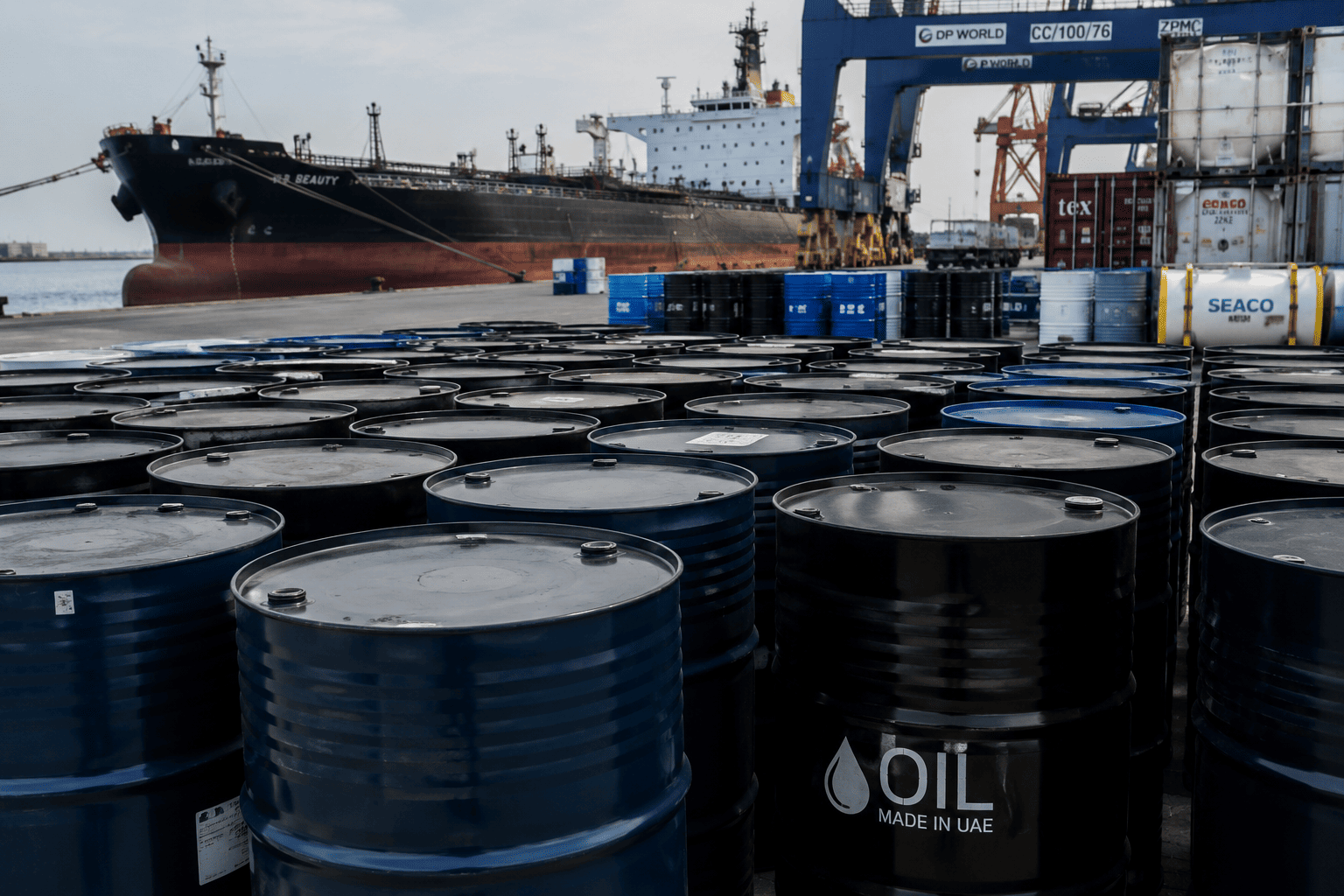
This flare-up comes just days after Brent posted its steepest weekly decline in a month, as traders had begun pricing in a faster recovery in Gulf shipping following an interim US-Iran arrangement aimed at easing tensions and restoring safe passage through Hormuz. However, the pattern of attack, retaliation, and renewed diplomatic efforts has left the market skeptical about the durability of the truce.
Market Reaction and Underlying Tensions
WTI had settled below $70 on Friday for the first time since February 27, the day before the conflict began, reflecting growing confidence in a supply recovery. Monday's rebound demonstrated how quickly sentiment can reverse when tankers become directly involved in hostilities. The Strait of Hormuz is a critical waterway for global oil and gas shipments, and any disruption there can have immediate price implications.
According to reports, both sides have agreed to "stand down for now" and allow vessels to move freely while technical discussions continue. Nevertheless, the market is no longer treating the ceasefire as settled. As noted by ING analysts, there remains "plenty of risk" facing the oil market, and the current calm "clearly leaves significant upside risk" if the supply recovery proves slow. The central tension is that diplomacy remains alive, but the physical dangers in the water have not dissipated.
Broader Market Context
The oil price rebound also comes amid a broader shift in investor sentiment, with the dollar hitting a 13-month high as safe-haven demand surged, as covered in our recent report Dollar Hits 13-Month High as Tech Rout Fuels Safe-Haven Demand. Meanwhile, Brent crude had previously fallen below $79 as the US-Iran pact removed the war premium, a development we analyzed in Brent Crude Falls Below $79 as US-Iran Pact Removes War Premium. The current price action highlights the market's sensitivity to geopolitical headlines and the difficulty of pricing in a stable supply outlook.
Investors are now watching for further diplomatic developments and any signs of sustained disruption to tanker traffic. The oil market remains caught between hopes for a diplomatic resolution and the reality of ongoing military risks near one of the world's most vital energy chokepoints.
This article is for informational purposes only and does not constitute financial advice.