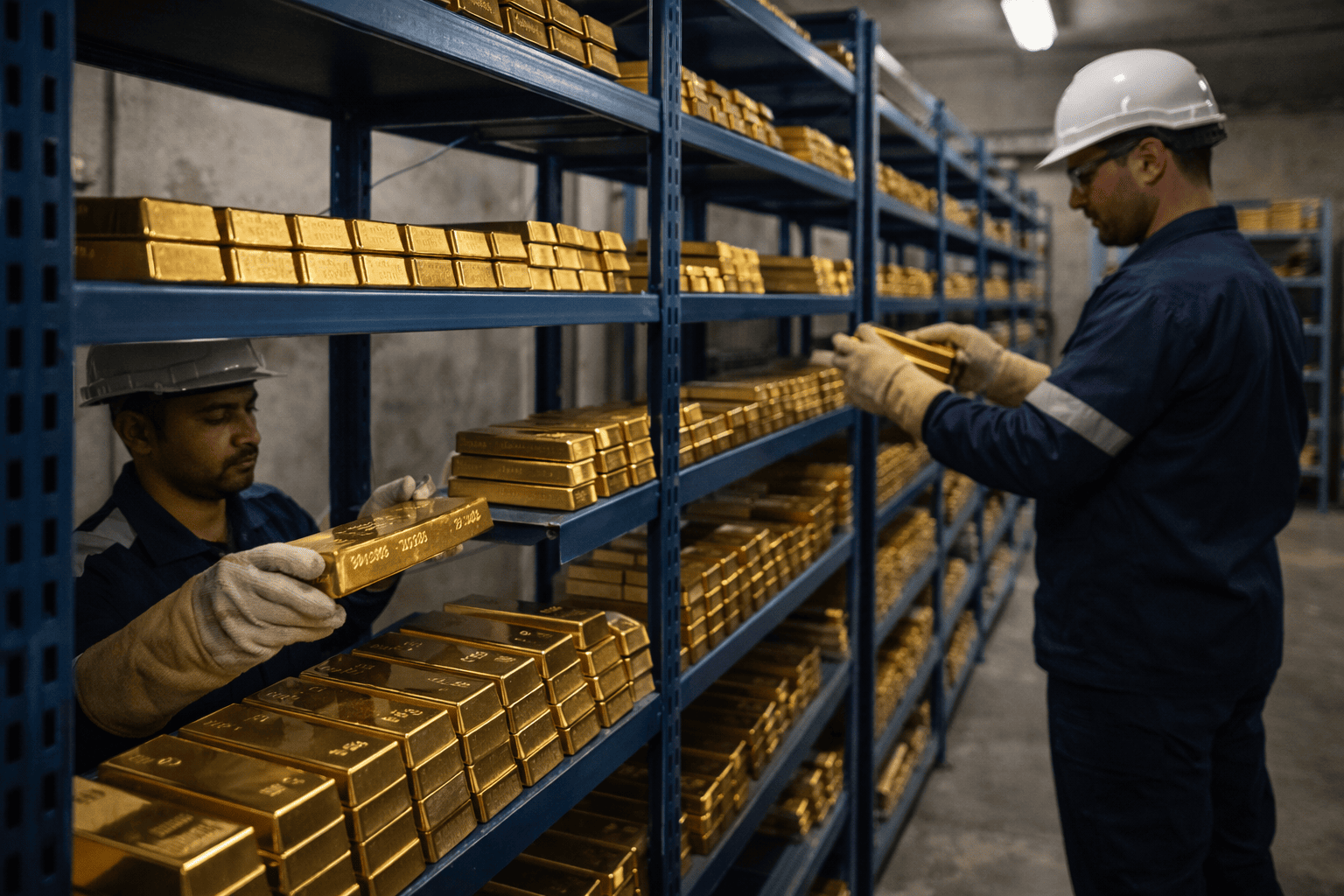
Gold prices edged higher on Tuesday, recovering from a two-week low, as market participants held off on major positions ahead of crucial US inflation figures and Federal Reserve Chair Kevin Warsh's congressional testimony. Spot gold gained 0.3% to $4,013.93 per ounce by 0300 GMT, after briefly dipping to its weakest level since July 1. US gold futures for August delivery rose 0.4% to $4,020.80.
The modest rebound follows a sharp 3% decline on Monday, marking bullion's steepest single-day drop in over a month. The yellow metal's recovery remains fragile as traders weigh the impact of rising oil prices and renewed inflation concerns.
Oil Shock Complicates Gold's Haven Appeal
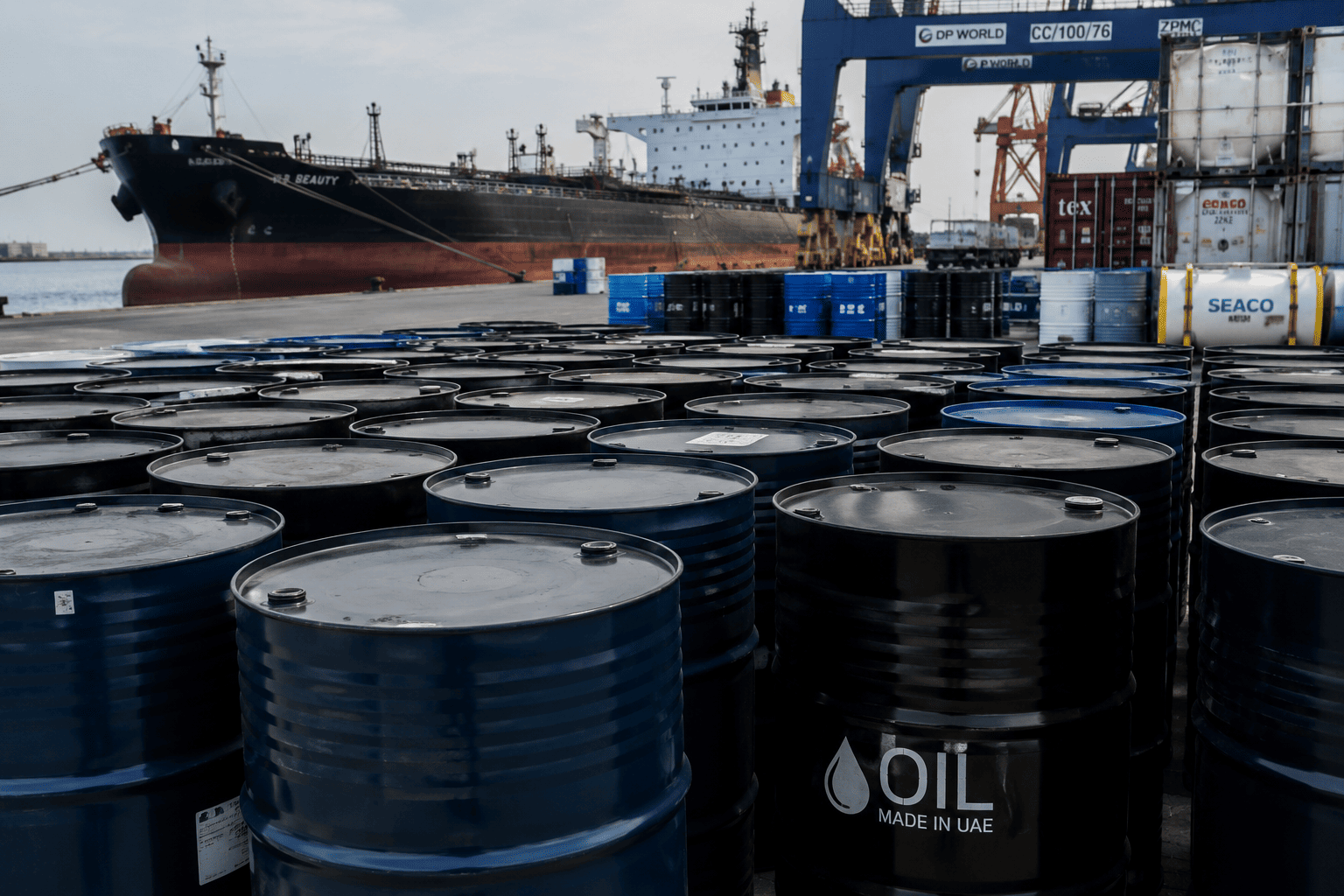
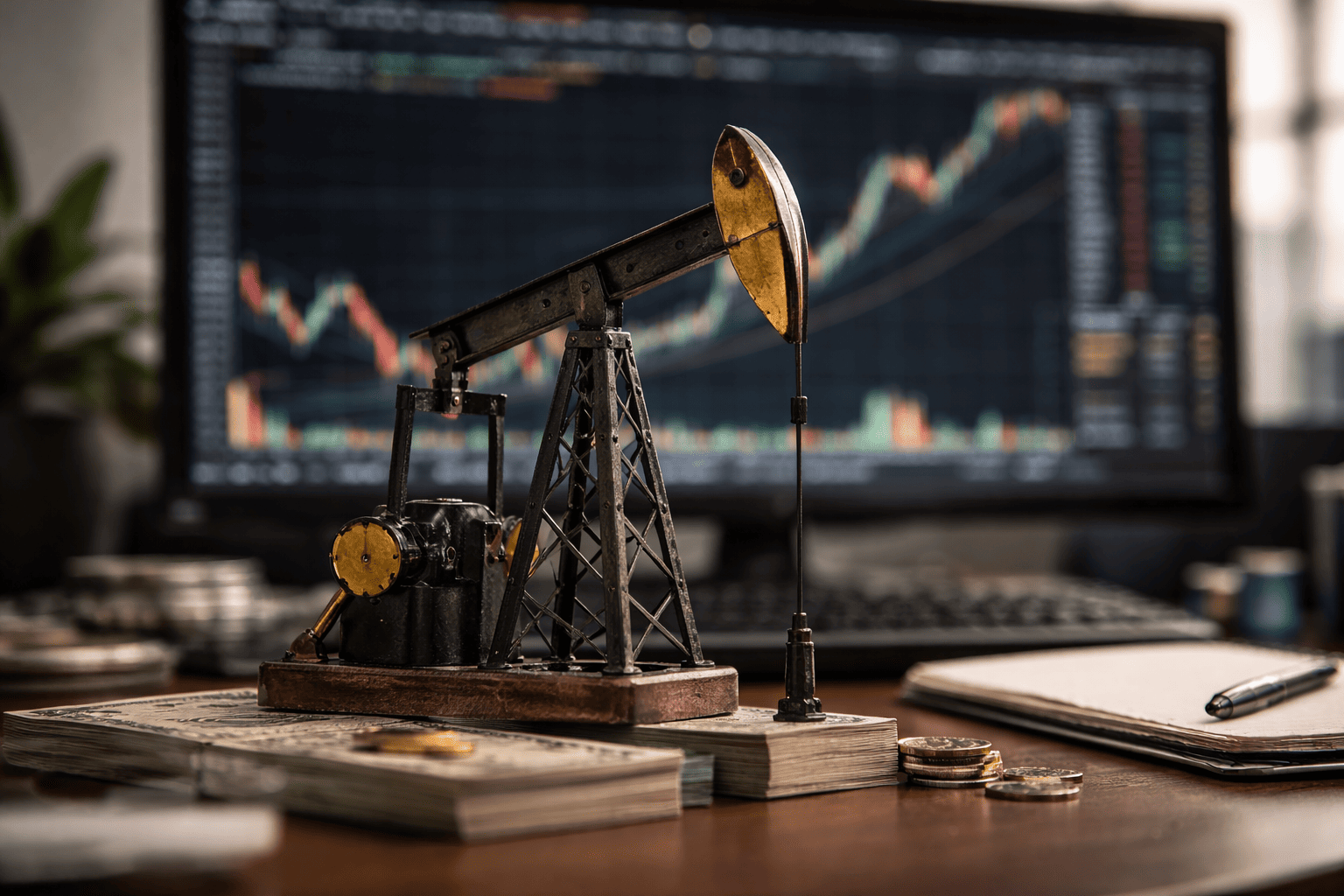
The escalating US-Iran conflict has created an unusual dynamic for gold. While geopolitical tensions typically boost demand for safe-haven assets, the immediate effect has been a surge in oil prices, stoking inflation fears. Brent crude jumped nearly 10% on Monday and stayed above $84 a barrel during Asian trading on Tuesday.
Higher energy costs could reverse recent improvements in headline inflation, keeping the Federal Reserve focused on price pressures. This matters for gold because rising interest rates and bond yields increase the opportunity cost of holding non-yielding assets like bullion. The World Gold Council has noted that geopolitical turmoil does not always lift gold when higher yields and a stronger dollar dominate investor positioning.
Dollar and Yields Remain Key Pressure Points
Gold's rebound is constrained by expectations of higher Treasury yields and a firmer dollar, both of which reduce the appeal of bullion by making interest-bearing assets more attractive. Markets have raised bets on another rate hike after Fed Governor Christopher Waller warned that policy may need to tighten if inflation stays well above the central bank's 2% target.
The upcoming June consumer price index (CPI) report will be closely watched for signs that underlying price pressures are persistent. Additionally, producer price data and Fed Chair Kevin Warsh's testimony later this week could influence expectations for the pace and timing of future policy moves. For more on how inflation data impacts gold, see Gold Rebounds from Two-Week Low as June CPI Miss Fuels Fed Rate Pause Bets.
Rate-Hike Bets Limit the Rebound
Traders have sharply increased expectations for a September rate hike. The CME FedWatch tool now indicates a roughly 75% chance of a quarter-point increase, up from about 57% a week earlier. Analysts say investors are reluctant to commit before the CPI report and Warsh's testimony, with developments in the Middle East adding another layer of uncertainty.
The broader precious metals market remained subdued. Silver slipped 0.1% to $57.60 per ounce after touching a two-week low. Platinum fell 0.5% to $1,597.52, while palladium gained 0.6% to $1,254.82. The energy sector's rally, driven by oil price spikes, has also drawn attention; see Energy Stocks Surge as Crude Oil Rebounds 20% on Renewed US-Iran Tensions for related context.
Gold's next major move is likely to depend less on geopolitical headlines alone and more on whether those tensions translate into another sustained rise in inflation, yields, and the dollar. Investors should also monitor the Fed's internal debates, as highlighted in Fed Minutes Reveal Deep Split: Some Officials See Rate Hikes, Others Cuts Amid Sticky Inflation.
This article is for informational purposes only and does not constitute financial advice.