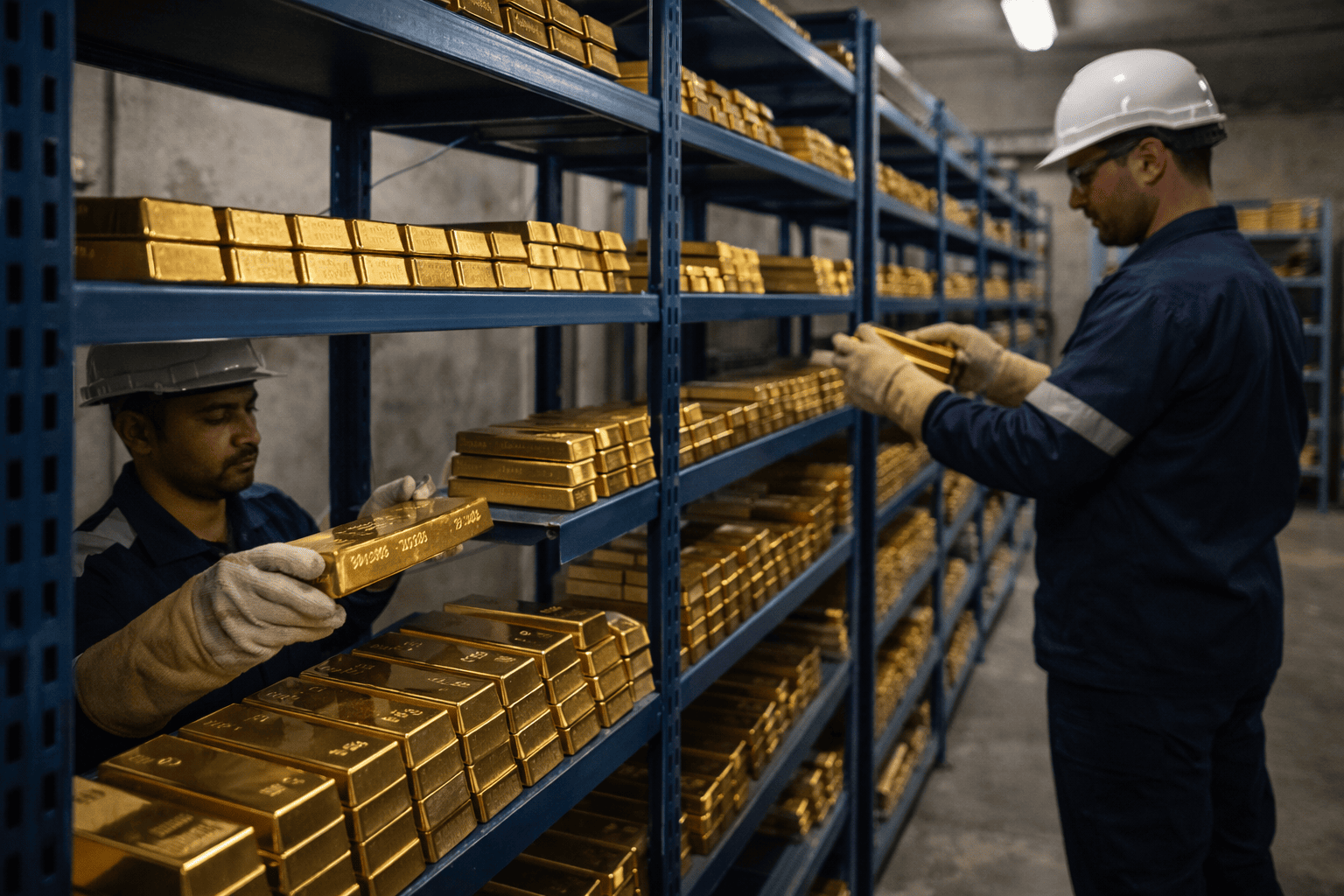
Silver prices continued their downward trajectory for a third consecutive session on Tuesday, with spot metal trading near $57.60 an ounce after touching a fresh two-week low during Asian hours. The decline comes as a sharp rally in Brent crude oil revives inflation concerns and strengthens expectations that the Federal Reserve may resume interest rate hikes.
Oil Shock Overwhelms Haven Demand
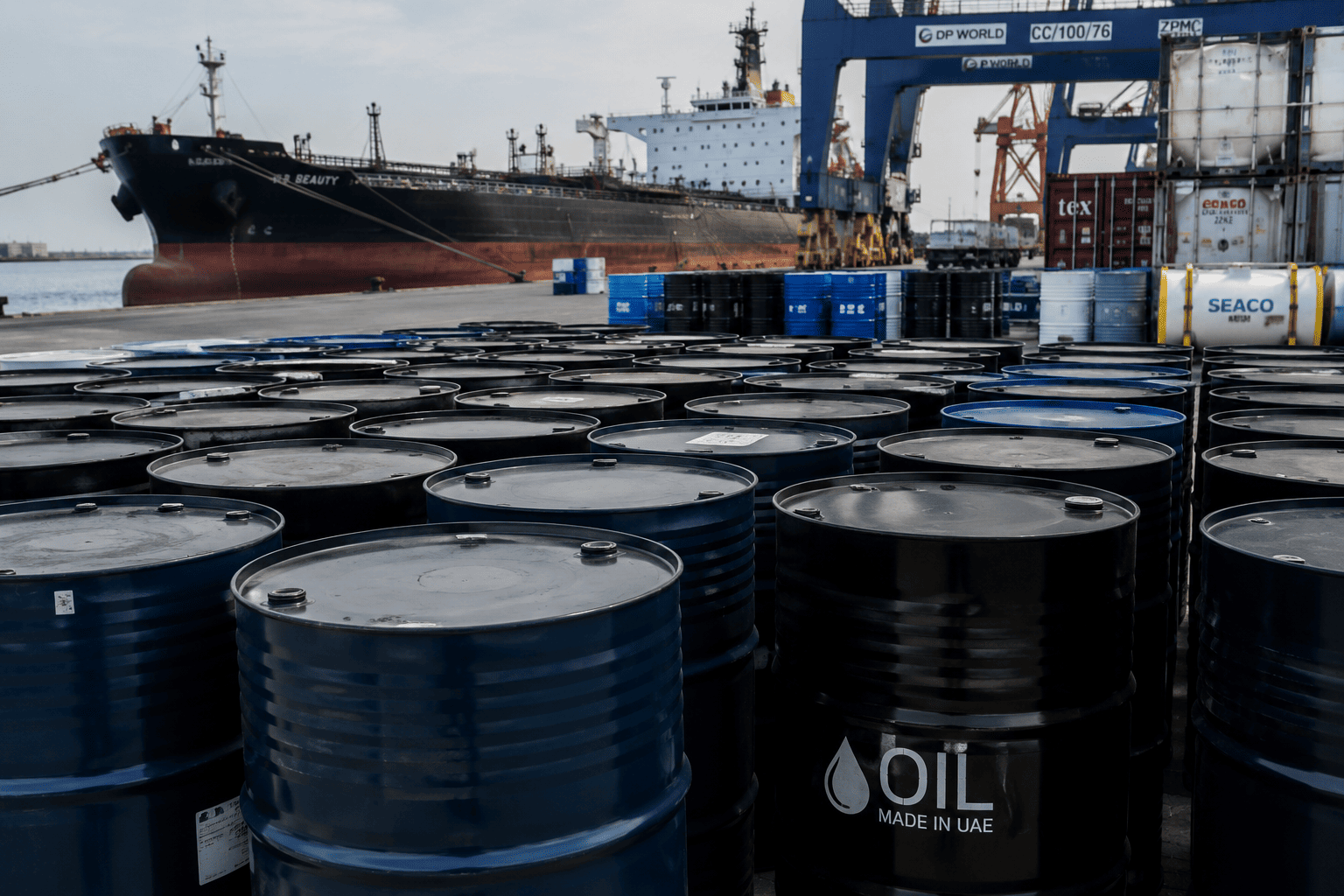
President Donald Trump's announcement that the US would reinstate its blockade of Iranian shipping and seek a 20% reimbursement fee on cargo passing through the Strait of Hormuz has intensified geopolitical tensions. Brent crude surged to $85.64 a barrel on Tuesday, its highest level since mid-June, following a nearly 10% jump in the previous session.
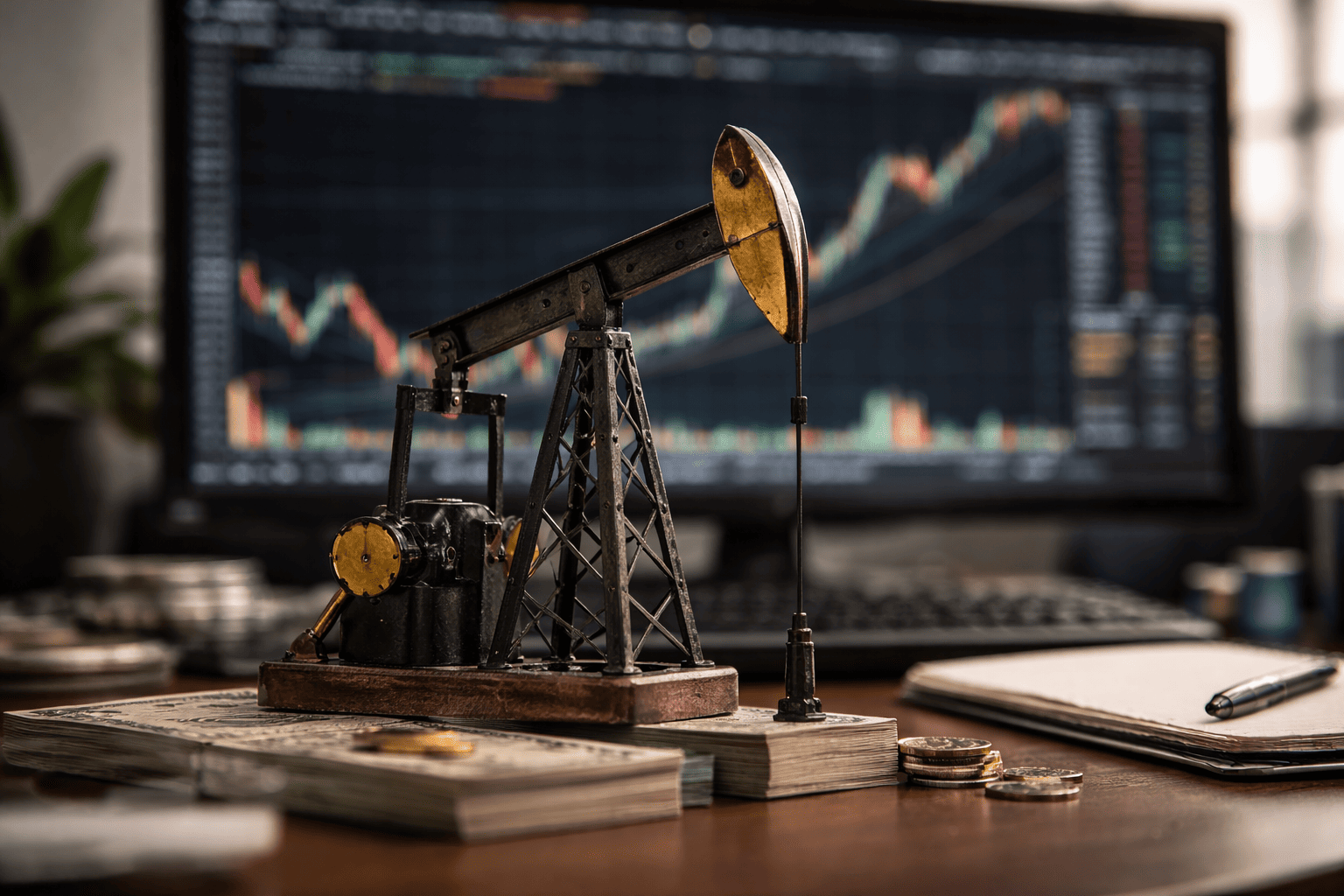
For silver, the oil rally has proven more damaging than supportive. Higher fuel costs threaten to feed into consumer prices, reducing the appeal of non-yielding precious metals as bond yields rise. This dynamic has overshadowed any haven demand stemming from US-Iran tensions, as the conflict simultaneously lifts energy costs, bond yields, and interest-rate expectations.
Silver Tests a Crucial Support Zone
Silver is now hovering near a critical technical area. The metal is trading around $57.60, with the psychological $57 level serving as the immediate line of defense for buyers. A decisive break below $57 could strengthen bearish momentum and expose silver to a deeper pullback as traders reduce long positions. Repeated failures to hold this area would also suggest that the recent upward trend is losing strength.
On the upside, silver needs to recover above $58 to ease the immediate selling pressure. A sustained move beyond that level could encourage fresh buying, while another rejection would keep the short-term bias tilted towards further losses. Similar support dynamics have been observed in other assets, such as Dogecoin's slide to third day as $0.07 support weakens.
Industrial Demand Adds Another Layer of Uncertainty
Silver's large industrial role also separates it from gold during periods of tighter financial conditions. The metal is widely used in electronics, solar panels, and other manufacturing applications, leaving it exposed to concerns about slower global growth. Higher energy costs could squeeze factory margins and weaken demand if companies delay investment or reduce production.
That risk may become more important if the conflict in the Middle East keeps oil elevated for an extended period. For now, silver is caught between two competing forces: geopolitical uncertainty supporting its haven appeal, while higher borrowing costs and concerns about industrial consumption limit the upside. This tension could keep prices volatile around the recent two-week lows.
Investors are also watching broader market trends, including Bitcoin's dip below $63K as leverage-driven selloff tests key support, which reflects similar risk-off sentiment across asset classes.
This article is for informational purposes only and does not constitute financial advice.