South Korea's Kospi index has been one of the best-performing benchmarks globally this year, surging more than 70% year-to-date. However, this rapid ascent has triggered a massive exodus of foreign institutional capital, with net outflows reaching an estimated $62 billion by early June. A single-day liquidation of 1.24 trillion won ($801 million) contributed to an 8.0% intraday drawdown at the market open.
Despite the headline-grabbing selloff, analysts argue that this capital flight is a structural anomaly rather than a vote of no confidence in South Korean corporate fundamentals. The selling pressure stems from the Kospi's meteoric rise, which inflated the index's weighting in global and emerging-market benchmarks. Active fund managers have been forced to sell programmatically to comply with portfolio mandates and risk concentration limits.

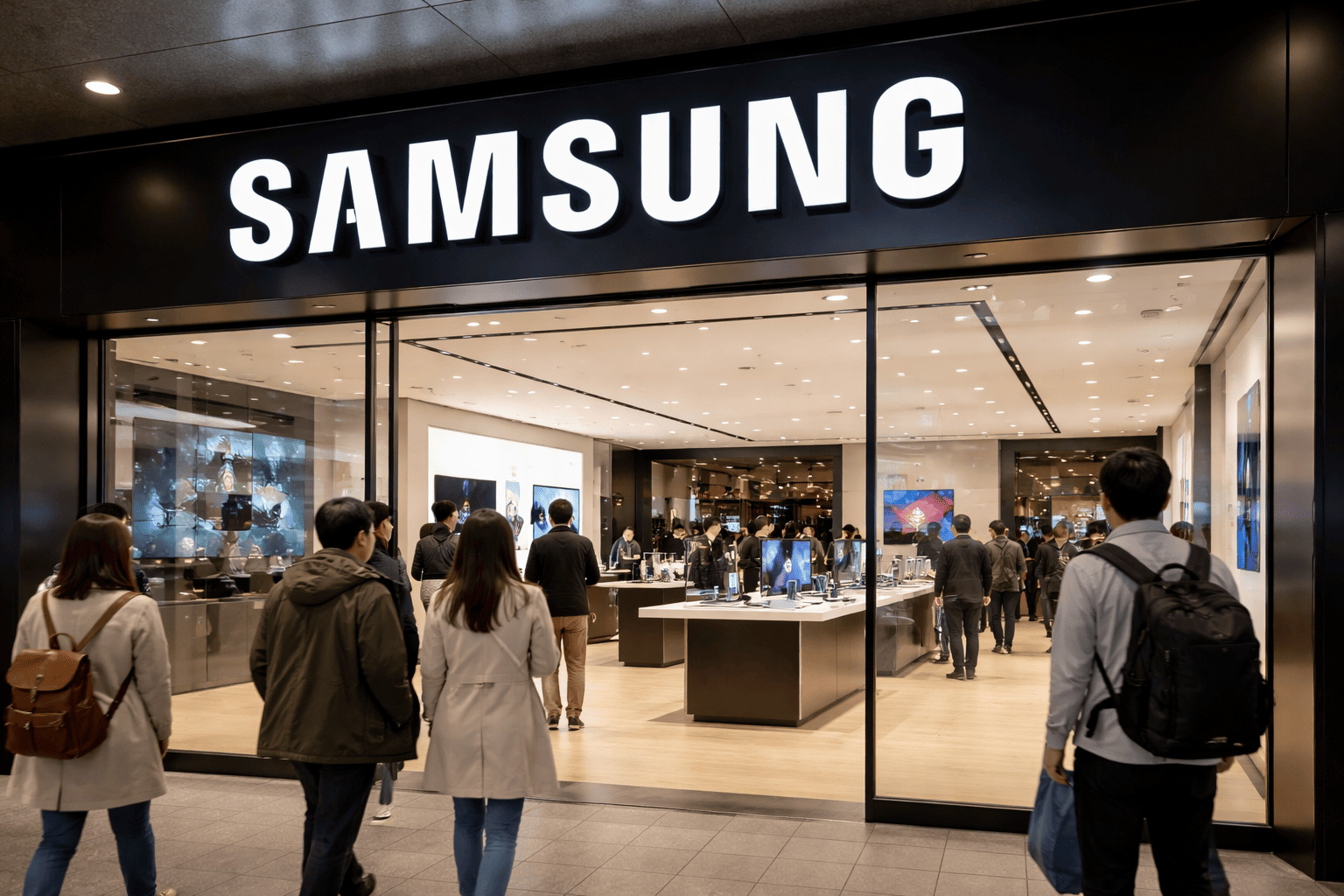
Institutional investors are also hitting regulatory ownership thresholds in megacap stocks like Samsung and SK Hynix, whose explosive price gains have concentrated the rally in a handful of names. As a result, foreign managers are trimming exposure mechanically, not because they are betting against the Korean economy.
Domestic Liquidity Absorbs the Shock
While foreign capital has fled, domestic retail investors have stepped in aggressively. South Korean individual investors have poured $70 billion into stocks this year, accompanied by a surge in new brokerage accounts. This wave of domestic liquidity has fully absorbed the foreign outflows, mirroring a similar dynamic in India where swelling local participation insulated the market from foreign selling.
Investment banks remain bullish on the Kospi's prospects. Goldman Sachs recently raised its 12-month target to 12,000, implying a 37% upside from current levels, citing robust corporate earnings and sustainable intrinsic value. The selloff has created attractive entry points for long-term investors, according to experts.
A Maturing Market Ecosystem
The ongoing shift in the Kospi's investor base signals a maturing financial ecosystem rather than a cyclical downturn. The rise of domestic retail participation is anchoring the market and reducing volatility typically associated with foreign institutional flows. Once international funds recalibrate their exposure, the combination of strong business fundamentals and deep domestic liquidity positions the Korean market for its next phase of structural growth.
At the time of writing, the Kospi is down more than 10% from its early June high. For investors looking to diversify beyond AI-driven tech plays, South Korean stocks offer a compelling value proposition. Related coverage: Dow Gains 140 Points as Chip Stocks Rebound Ahead of Big Tech Earnings and Diversify Beyond AI: 3 Stocks with Strong Fundamentals for 2026.
This article is for informational purposes only and does not constitute financial advice.