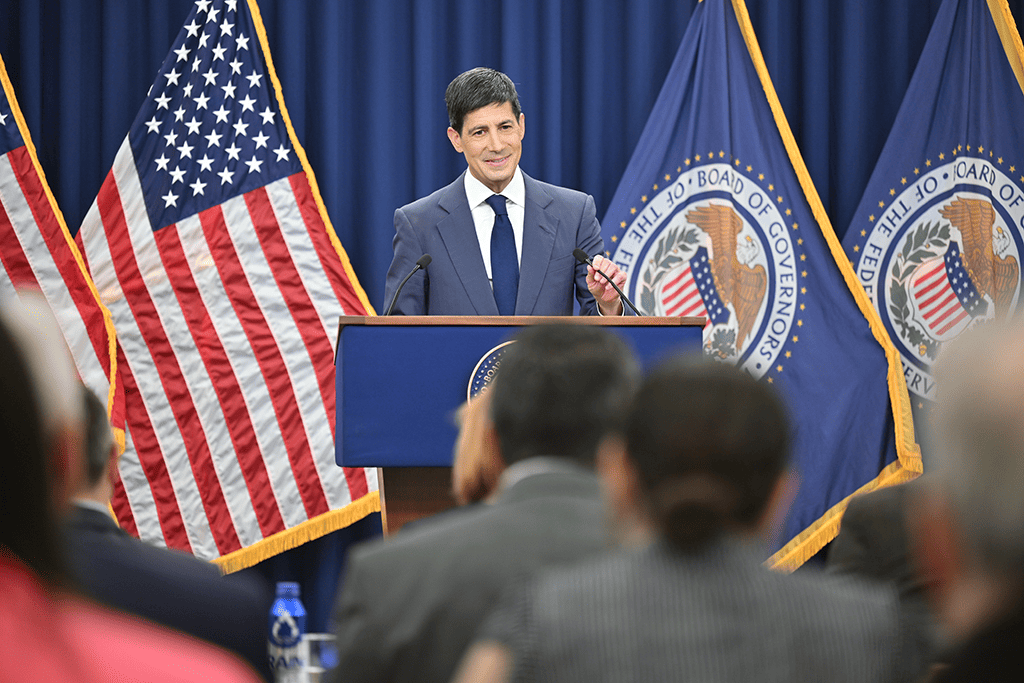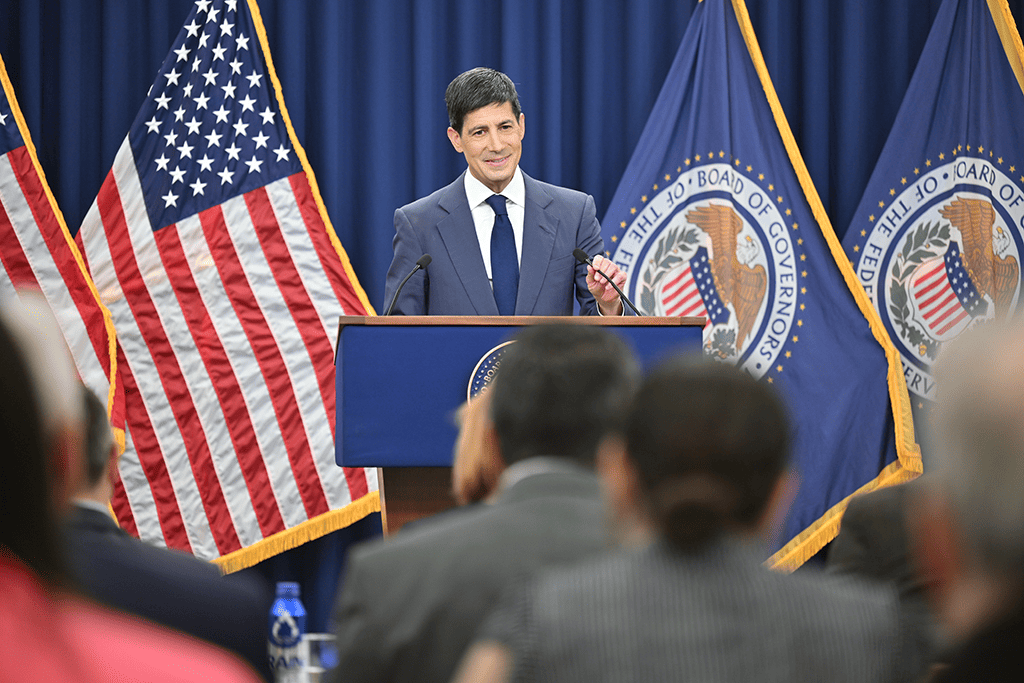
The Federal Reserve left its benchmark interest rate unchanged on Wednesday, keeping the federal funds rate in a range of 3.75% to 4% as policymakers weighed persistent inflation against signs of resilient economic expansion. The decision, widely anticipated by markets, came after a 25-basis-point increase in September.
The Federal Open Market Committee (FOMC) voted 10-2 to hold rates steady. Governor Lisa Cook and Cleveland Fed President Beth Hammack dissented, preferring a quarter-point increase. Cook's dissent was her first since joining the Fed in 2022, and it comes amid an ongoing dispute with the Trump administration over allegations she has denied.
In its post-meeting statement, the Fed reiterated that inflation remains elevated and that additional information would help officials determine the appropriate policy stance to return inflation to its 2% target. The committee emphasized its commitment to price stability, stating, "The Committee will deliver price stability."
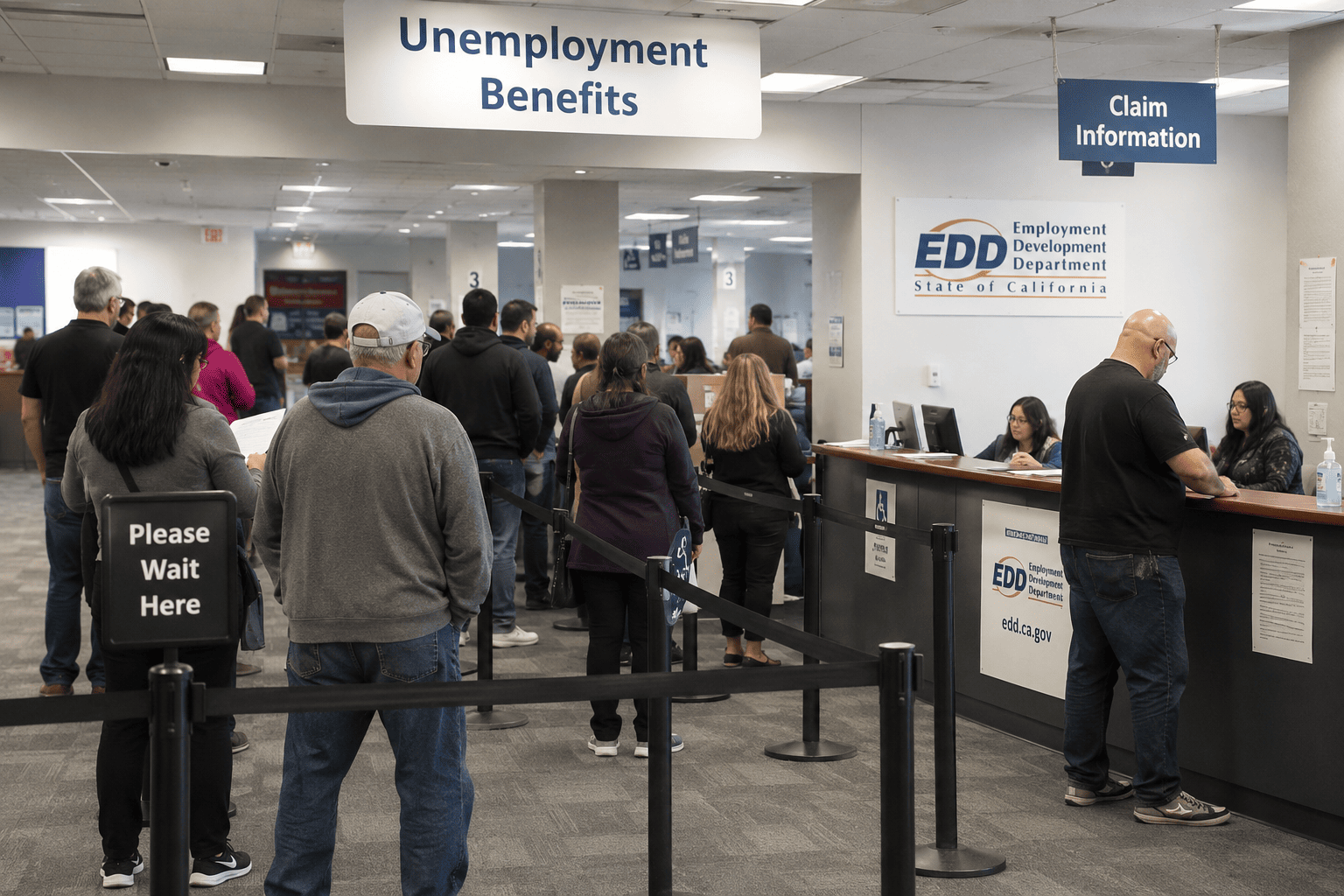
The decision arrives as inflation pressures persist. The consumer price index rose in September at its fastest pace in five months, driven largely by higher energy prices linked to the Iran war. However, the report also showed inflation broadening across goods and services, complicating the Fed's task.
Economic growth remains robust, with the Fed describing activity as expanding "at a strong pace" and domestic spending as "resilient." Strong consumer spending and investment in artificial intelligence are supporting growth. Economists expect data due Thursday to show the U.S. economy grew at an annualized rate of approximately 3.2% in the third quarter.
Policymakers are also due to receive fresh inflation data Thursday, when the Bureau of Economic Analysis releases the September personal consumption expenditures price index, the Fed's preferred inflation gauge. The incoming data could help officials assess whether inflation is easing sufficiently or whether further tightening is necessary.
The dissent from Cook and Hammack highlights divisions among policymakers over how aggressively to respond to inflation. Dallas Fed President Lorie Logan and Minneapolis Fed President Neel Kashkari, who had previously supported higher rates, voted with the majority.
Tom Graff, chief investment officer at financial advisory firm Facet, criticized the decision, arguing the Fed should have hiked immediately. "I believe this was a mistake: the Fed should have hiked today," he said. Graff noted that waiting could undermine Chair Kevin Warsh's credibility as an inflation fighter, especially since a December hike is fully priced in.
Market expectations for the decision shifted significantly in recent weeks. After September's increase, the probability of an October hike climbed above 70%, but declined after Fed Vice Chair Philip Jefferson and New York Fed President John Williams signaled the September move gave time to assess conditions. By Wednesday, markets priced in less than a 10% chance of a hike.
Graff also highlighted upside risks to inflation, citing the rapid AI infrastructure buildout and geopolitical tensions. "As long as the AI infrastructure buildout continues at a breakneck pace, broad economic growth will be relatively strong," he said, adding that oil prices remain elevated due to the Iran conflict.
The Fed's statement offered no clear signal on December, leaving investors to gauge the likelihood of further tightening. Futures pricing suggests additional increases are possible, but the committee did not commit to a specific path.
This article is for informational purposes only and does not constitute financial advice.