Geopolitical risks intensified Thursday as the United States and Iran exchanged a second consecutive day of military strikes, threatening a fragile ceasefire and disrupting shipping through the Strait of Hormuz. Meanwhile, SK Hynix moved closer to a record-breaking US listing, and commodity markets showed mixed reactions to the evolving situation.
US-Iran Tensions Escalate
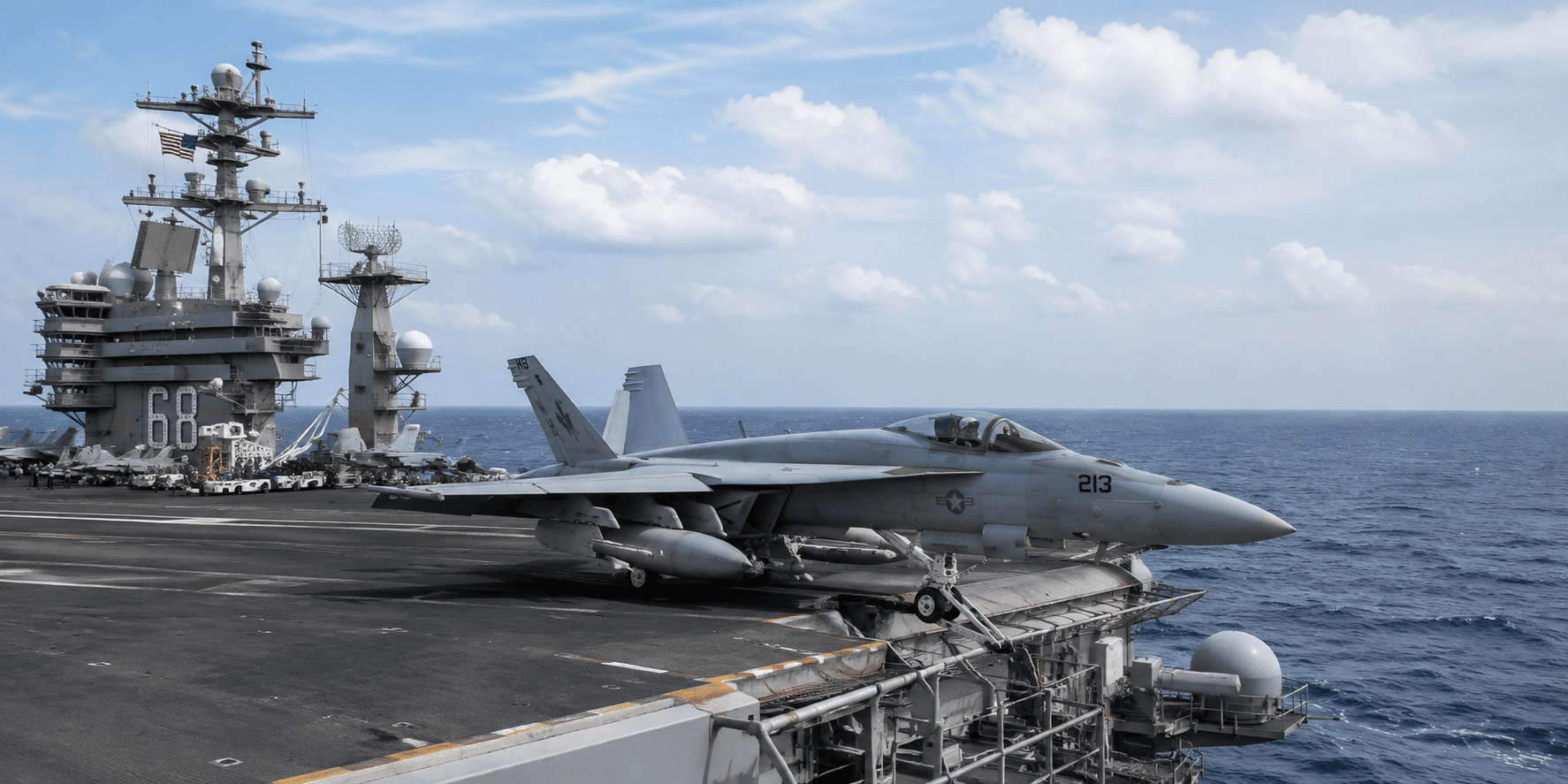
US Central Command reported striking approximately 90 targets overnight, following 80 hits the previous day, aimed at further degrading Iran's ability to attack commercial shipping in the Strait of Hormuz. Iran reported strikes near a nuclear power plant and railway bridges linking Tehran to Mashhad. In response, Iranian media reported attacks on US bases in Bahrain, Kuwait, and Qatar, while Jordan said it intercepted eight Iranian missiles.

President Donald Trump warned of further retaliation, stating, "Every time they hit us, we'll hit them 20." The renewed hostilities have raised concerns that the conflict could return to full-scale war despite an interim peace agreement reached about three weeks ago. For more on how these tensions are affecting broader markets, see Dow Edges Lower as Chip Rally Offsets Iran Tensions, Fed Minutes Eyed.
SK Hynix Targets Record US Listing
SK Hynix plans to price its US listing at $149 per American depositary receipt (ADR), according to Bloomberg, citing sources familiar with the matter. At that price, the offering would raise approximately $26.5 billion, making it the largest first-time US share sale by a foreign company, surpassing Alibaba's $25 billion IPO. Each ADR represents one-tenth of a common share and is priced about 3.1% above Thursday's closing price in Seoul.
The offering of 177.9 million ADRs is reportedly more than seven times oversubscribed, attracting interest from long-only funds, technology-focused investors, sovereign wealth funds, and Asia-focused institutional investors. The ADRs are expected to begin when-issued trading on Friday on Nasdaq under the symbol SKHYV, before switching to SKHY for regular trading on July 13. For a deeper dive into SK Hynix's positioning, read SK Hynix ADR Listing: A Stronger AI Memory Play Than Micron or SanDisk.
Oil Prices Fall on Demand Concerns
Oil prices declined more than 2% on Thursday as investors weighed concerns over slowing economic growth and inflation against ongoing supply disruptions linked to the US-Iran conflict. Brent crude fell 2.8% to $75.78 a barrel, while West Texas Intermediate dropped 2.7% to $71.53. Although fighting has delayed the full reopening of the Strait of Hormuz, analysts said demand worries limited gains.
Goldman Sachs estimated that oil flows through the Persian Gulf had recovered to above 80% of pre-war levels shortly after the waterway reopened but slipped back into the low-70% range following renewed attacks. Macquarie expects the latest Middle East tensions to remain relatively short-lived due to economic and political constraints facing both countries.
Gold Rebounds on Bargain Buying
Gold prices climbed more than 1% after falling to a one-week low in the previous session. Spot gold rose 1.1% to $4,123.96 an ounce, while US gold futures settled 1.2% higher at $4,135. Investors remained focused on Federal Reserve policy and geopolitical risks in the Middle East.
Minutes from the Fed's June meeting showed policymakers remained concerned about inflation, while traders currently see about a 62% chance of a rate hike in September, according to the CME FedWatch Tool. HSBC lowered its average gold price forecasts for 2026 and 2027 to $4,560 and $4,925, respectively. Other precious metals also advanced, with silver rising 3.4%, platinum gaining 2.3%, and palladium adding 3.3%.
For more on how geopolitical tensions are affecting other assets, see Dogecoin Tests $0.07 Support as Iran Tensions Fuel Crypto Risk-Off Sentiment.
This article is for informational purposes only and does not constitute financial advice.