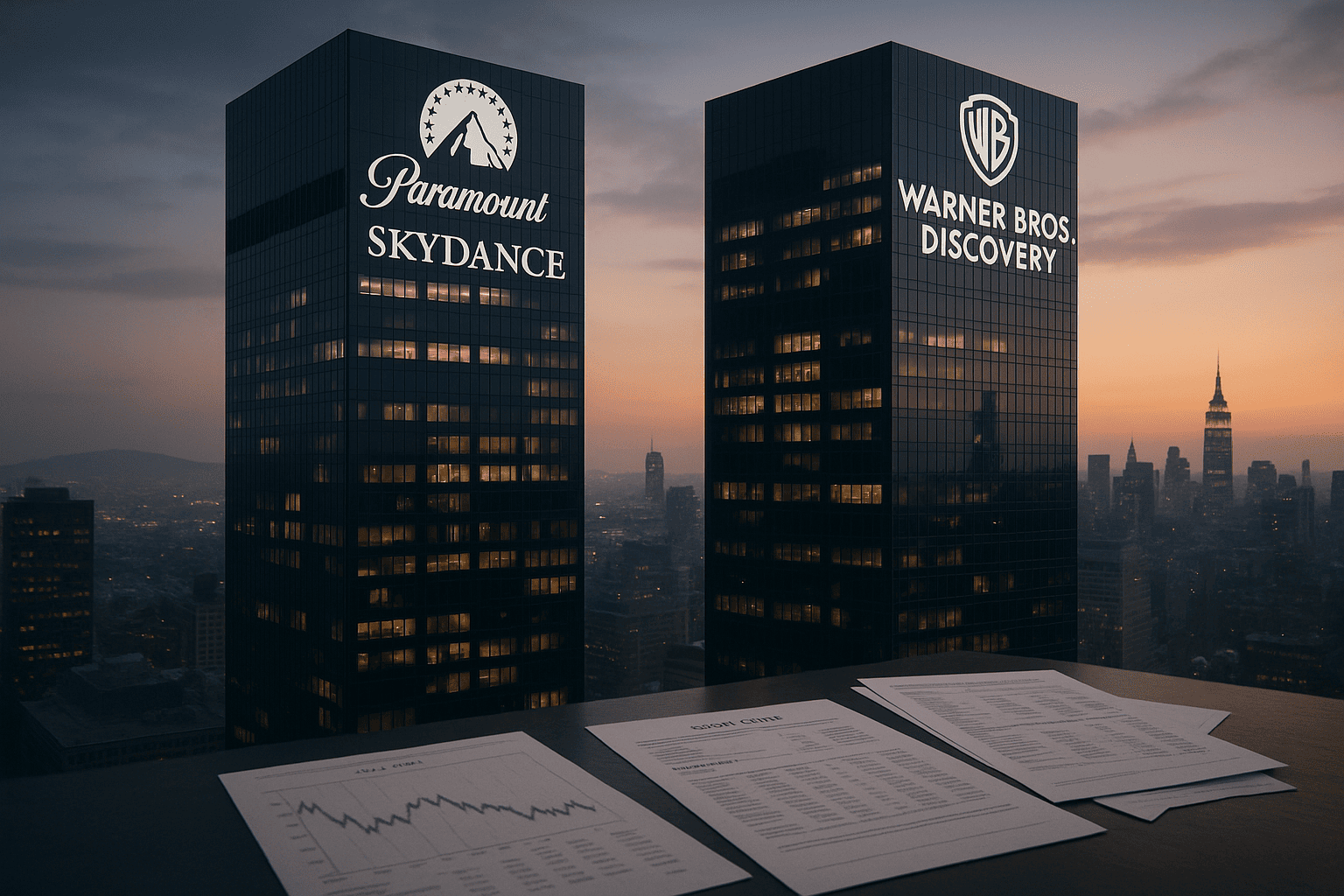
A proposed $110 billion merger between Paramount and Warner Bros. Discovery is facing mounting legal opposition from multiple US states, with California Attorney General Rob Bonta spearheading an antitrust investigation into the deal. The transaction, which would combine two of Hollywood's four major studios, has raised significant concerns about market concentration, consumer choice, and employment in the entertainment industry.
Antitrust Concerns Drive State Action
According to Reuters, California is leading a probe into whether the merger violates federal antitrust laws that prohibit deals likely to substantially lessen competition. The combined entity would control iconic film franchises—including Warner Bros.' "Harry Potter" and "Superman" series alongside Paramount's library—giving it outsized influence over theatrical releases, streaming rights, and talent negotiations. State officials argue this could reduce the number of films released annually and limit consumer options.

This state-led effort comes as federal regulators are perceived to be taking a less aggressive stance on large media mergers. Analysts have noted that Paramount CEO David Ellison's father, Oracle co-founder Larry Ellison, has cultivated ties with President Donald Trump, which may have contributed to a smoother federal review. However, state attorneys general are stepping in to fill the enforcement gap, signaling a new front in antitrust battles.
Industry Pushback and Job Fears
Opposition extends beyond regulators. Actors, writers, and theater owners have voiced concerns that the merger could lead to significant job losses as the two companies consolidate operations. The National Association of Theatre Owners has warned that combining the studios could reduce the number of films released in cinemas, weakening competition in the theatrical business. Paramount has countered by promising to release 30 movies annually post-merger, but skeptics question whether that commitment is sustainable given the combined company's debt load.
Financial Stakes and Potential Delays
If states file a lawsuit, it could delay the transaction for months, imposing substantial financial costs on Paramount. The company is expected to carry approximately $80 billion in debt after closing, and any postponement would increase financing expenses. Additionally, Ellison has agreed to pay Warner Bros. Discovery shareholders a 25-cent-per-share "ticking fee" if the deal is not completed before October, adding further pressure.
The legal challenge could become the biggest obstacle to one of the largest media deals in recent years. For context, similar state-led antitrust actions have previously blocked or delayed major mergers in other sectors, such as the blocked Hapag-Lloyd buyout of ZIM and the local opposition stalling $130B in data center projects.
Broader Implications for Media Consolidation
The Paramount-Warner Bros. case underscores a growing trend of state attorneys general taking the lead on antitrust enforcement, particularly in industries where federal oversight is perceived as lenient. If successful, the lawsuit could set a precedent for challenging future media mega-mergers, reshaping the competitive landscape of Hollywood. Investors should monitor developments closely, as the outcome could affect not only Paramount and Warner Bros. Discovery but also the broader banking and financial sectors that often finance such deals.
This article is for informational purposes only and does not constitute financial advice.

