The European Central Bank's latest Consumer Expectations Survey, released Friday, reveals that eurozone consumers trimmed their short-term inflation outlook in May while keeping medium- and long-term expectations unchanged. The data suggests that the central bank may not face immediate pressure to raise interest rates further, even as it recently increased its deposit rate to combat elevated inflation.
Near-Term Inflation Expectations Decline
According to the survey, consumers' median expectation for inflation over the next 12 months fell to 3.5% in May, down from 4.0% in April. Meanwhile, perceptions of inflation over the past 12 months remained steady at 4.0%. The decline in near-term expectations was accompanied by a reduction in uncertainty surrounding the inflation outlook, though it remained above levels seen before the onset of the Middle East conflict.
Longer-term expectations proved more resilient. The median expectation for inflation over the next three years held at 2.9%, while the five-year outlook stayed unchanged at 2.4%. This stability in the medium- to long-term horizon may reassure ECB policymakers who have argued that further tightening could be necessary to keep expectations anchored.
The survey also highlighted demographic differences: lower-income households continued to report higher inflation perceptions and expectations than higher-income groups, while younger respondents (aged 18–34) maintained lower inflation expectations than those aged 35–70.
Income and Spending Outlook
Consumers reported a modest improvement in their income expectations. Nominal income growth expectations over the next 12 months rose to 1.0% in May from 0.8% in April. However, expected spending growth over the same period eased to 3.8%, down from 4.3% in April, suggesting households anticipate some moderation in consumption.
Perceived spending growth over the past year edged up slightly to 5.4% from 5.3%. Lower-income households expected slightly stronger spending growth than higher-income groups, potentially reflecting a greater share of essential expenditures.
Economic and Labor Market Sentiment
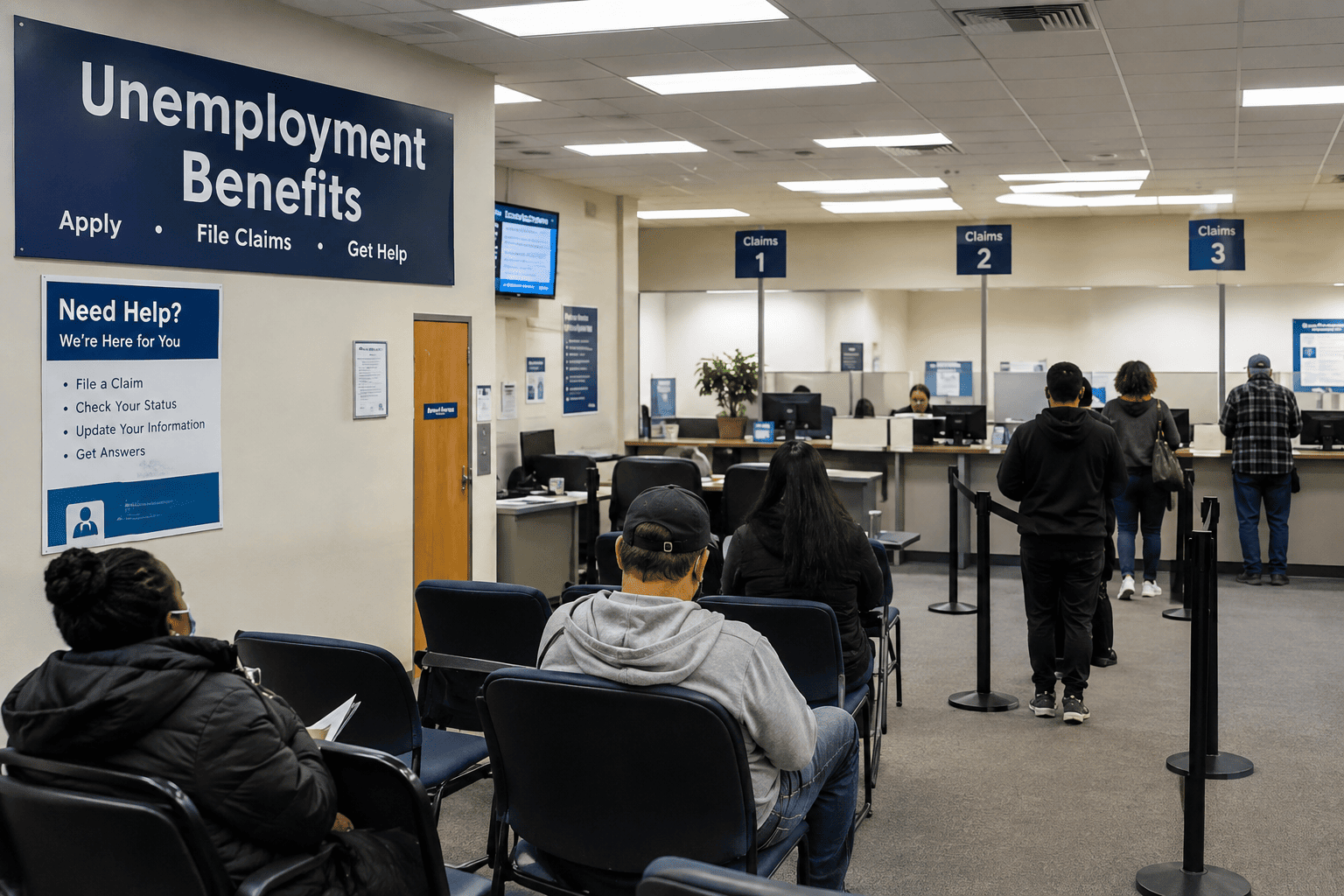
The survey showed a less pessimistic view of the economy. Expectations for economic growth over the next 12 months improved to -1.7% from -2.2% in April, indicating a less negative outlook. At the same time, the expected unemployment rate in 12 months edged higher to 11.3% from 11.2%, with lower-income households anticipating the highest rate at 13.7% and higher-income households the lowest at 9.5%.
Consumers continued to expect future unemployment to remain slightly above the perceived current rate of 10.7%, suggesting a broadly stable labor market outlook.
Housing and Credit Conditions
Housing price expectations softened marginally. Consumers expected house prices to rise by 3.6% over the next 12 months, down from 3.7% in April. Lower-income households anticipated stronger price growth (4.1%) compared with higher-income households (3.4%). Mortgage rate expectations remained unchanged at 4.9% for the third consecutive month.
Credit conditions presented a mixed picture. The net percentage of households reporting tighter access to credit over the past 12 months increased further in May, reaching its highest level since February 2024. However, the share of households expecting credit conditions to tighten over the next 12 months declined, indicating some optimism about future access to credit despite recent tightening.
For context on broader market dynamics, see our coverage of Gold Dips 1.4% for Week as US-Iran Conflict Stirs Inflation, Rate Hike Bets and Fed Minutes Reveal Deep Split: Some Officials See Rate Hikes, Others Cuts Amid Sticky Inflation.
This article is for informational purposes only and does not constitute financial advice.