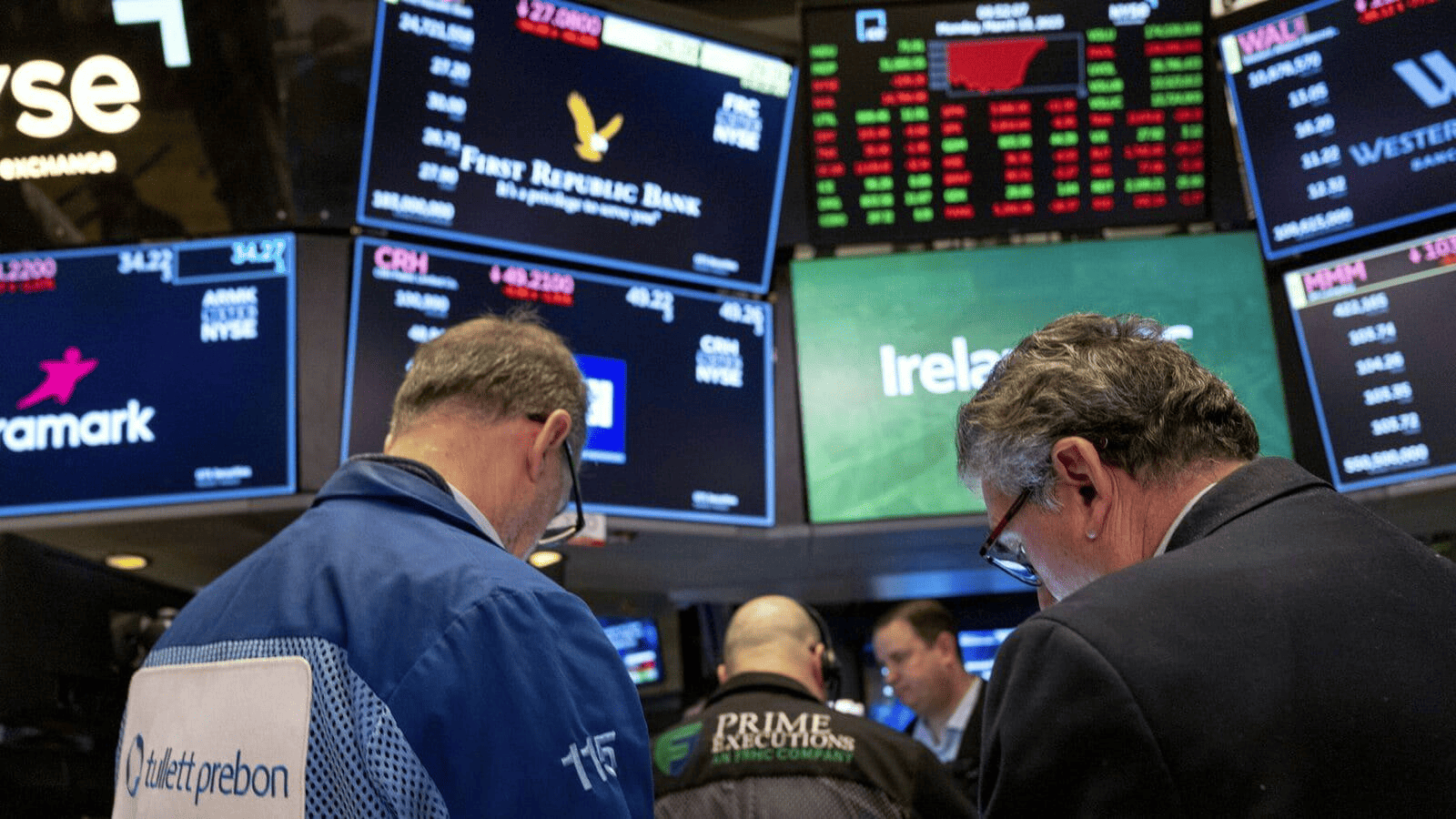
Global equity markets advanced this week as signals of potential diplomatic progress in the Iran conflict bolstered investor sentiment. The S&P 500 climbed to record levels, while Japan's Nikkei 225 also reached new highs, reflecting a market bet on a de-escalation of Middle East tensions. This rally is primarily fueled by expectations that a resolution could restore pre-war market conditions, where robust corporate earnings were a key driver for stock valuations.
Federal Reserve Leadership in the Spotlight
Investor attention is now pivoting to Washington, where a confirmation hearing for the nominee to lead the Federal Reserve is scheduled. The testimony is expected to provide critical insight into the future direction of U.S. monetary policy. Market expectations for interest rate cuts have diminished significantly since the onset of the Iran conflict, with Fed funds futures now indicating a much lower probability of reductions by year-end compared to earlier forecasts.

The nominee faces a complex economic landscape. While geopolitical optimism is lifting risk assets, underlying inflation pressures persist, partly driven by elevated energy costs. This creates a challenging environment for central bank policymakers, who must balance growth concerns with price stability mandates.
Oil Markets Signal Lingering Caution
Despite the equity rally, commodity markets tell a more cautious story. Benchmark Brent crude oil continues to trade near $100 per barrel, approximately 33% above its late-February level. Prices for physical crude deliveries have hit record highs, indicating tight supply conditions. Analysts note that a sustained reopening of key shipping routes is crucial for a durable decline in energy prices. Should diplomatic efforts falter, elevated oil costs could compel central banks worldwide to maintain higher borrowing rates for longer, potentially pressuring corporate profit margins.
Global Central Banks Navigate Spillover Effects
The ripple effects of the geopolitical and energy situation are being felt across global financial systems. In Asia, central banks are adjusting their policy stances to manage the dual challenges of supporting economic growth and containing imported inflation. China is anticipated to hold its loan prime rate steady in its upcoming announcement, as policymakers prioritize economic stabilization.
Elsewhere in the region, currencies like the Indonesian rupiah have faced significant pressure, falling to record lows and prompting central bank scrutiny. The Philippines' central bank has explicitly warned of economic spillover effects after recent inflation data exceeded its target range, highlighting the broad transmission of global price pressures.
Corporate Earnings and Economic Data on Deck
The market's forward momentum will also be tested by incoming corporate and economic reports. Key earnings releases from major companies, including Tesla, will offer a fresh read on corporate health. Furthermore, upcoming U.S. retail sales data for March will be closely analyzed for signs of how consumer spending is weathering the current environment of higher prices. These data points will provide fundamental context to the current geopolitically-driven market sentiment.
For related coverage, read about the Nikkei 225's record run and the recent volatility in oil and digital asset markets linked to Middle East developments.
This article is for informational purposes only and does not constitute financial advice.