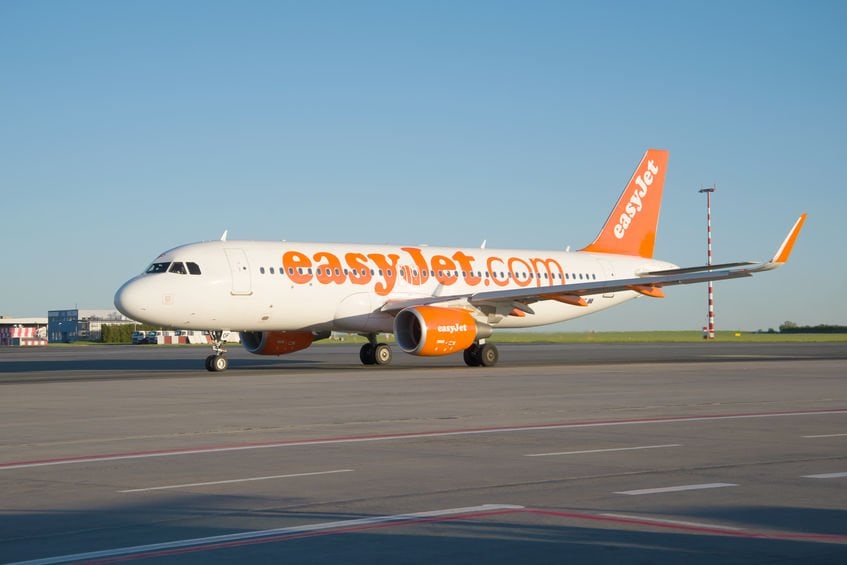
EasyJet reported a sharp 70% decline in fiscal third-quarter profit on Thursday, as the budget airline grappled with disruption from the Iran war and rising fuel costs. Despite the earnings hit, the carrier pointed to strengthening consumer confidence and robust late bookings ahead of the peak summer travel period.
Quarterly profit came in at £85 million, down from £286 million a year earlier. The decline underscores the financial strain from the five-month-old Middle East conflict, which has increased operational costs and weighed on profitability. However, group revenue rose 2% year-on-year to £2.98 billion, supported by growth in EasyJet's holidays and ancillary services.

Capacity and Traffic Trends
Available seat kilometres (ASK) capacity increased 3% year-on-year, while the number of seats rose 1%. The airline carried 25.8 million passengers during the quarter, with a load factor of 88.9%—1 percentage point lower than the prior year. Revenue per ASK declined 3% year-on-year, though EasyJet noted this was a 1 percentage point improvement from the booked position reported in May.
Cost Pressures Mount
Headline cost per ASK, excluding fuel, rose 3% in line with guidance. Fuel costs surged, with fuel cost per ASK climbing 13% year-on-year, adding £105 million to expenses compared with the previous year. The higher cost base reflects disruption during the quarter, but EasyJet said demand remained resilient, particularly for close-in bookings.
The airline reported strong demand for late bookings made during the month of departure throughout the quarter. It is currently 68% sold for the fourth quarter, with booked ticket yield flat and load factor 2 percentage points below the prior year—an improvement from the 3 percentage point gap reported in May.
Forward Bookings and Outlook
EasyJet said strong late bookings continued into the quarter, with signs of improvement in bookings made beyond the month of departure. However, some price stimulation is still needed to support demand. Early bookings for the first quarter of fiscal 2027 show encouraging ticket yields, up by a mid-single-digit percentage.
For the full year, EasyJet expects ASK capacity to increase by around 6% and seats to grow by about 3%. The holidays business is forecast to see low double-digit customer growth, building on a base of 3.1 million customers. The company said its holidays unit continues to gain market share in a competitive environment. Capacity growth is expected to normalize during the first half of fiscal 2027, with early booking trends for that period described as encouraging.
Strategic Focus and Takeover Support
EasyJet has backed US investment firm Apollo's £5.7 billion takeover offer, which was preferred over rival approaches from Castlelake. The airline reiterated its focus on execution and progress toward medium-term financial objectives, including a target of more than £1 billion in pre-tax profit as market conditions normalize.
The latest results highlight the ongoing impact of higher costs and weaker profitability, but EasyJet's commentary on improving consumer confidence, strong late bookings, and better forward ticket yields suggests resilience heading into the summer peak. For broader market context, see our coverage of gold's surge to a two-week high above $4,100 amid Middle East tensions and UniCredit's record Q2 profit.
This article is for informational purposes only and does not constitute financial advice.