U.S. equity markets ended mixed on Friday, with the Dow Jones Industrial Average climbing 235 points, or 0.5%, as a rally in Apple shares helped counterbalance a broad selloff in semiconductor stocks. The S&P 500 edged up just 0.05% to finish near the flatline, while the Nasdaq Composite declined 0.6%, dragged lower by chipmakers.
Apple's stock rose approximately 3%, providing significant support to the Dow. The move came amid broader market reassessment of technology sector valuations and capital expenditure plans tied to artificial intelligence.
Chip Stocks Slide on AI Spending Doubts
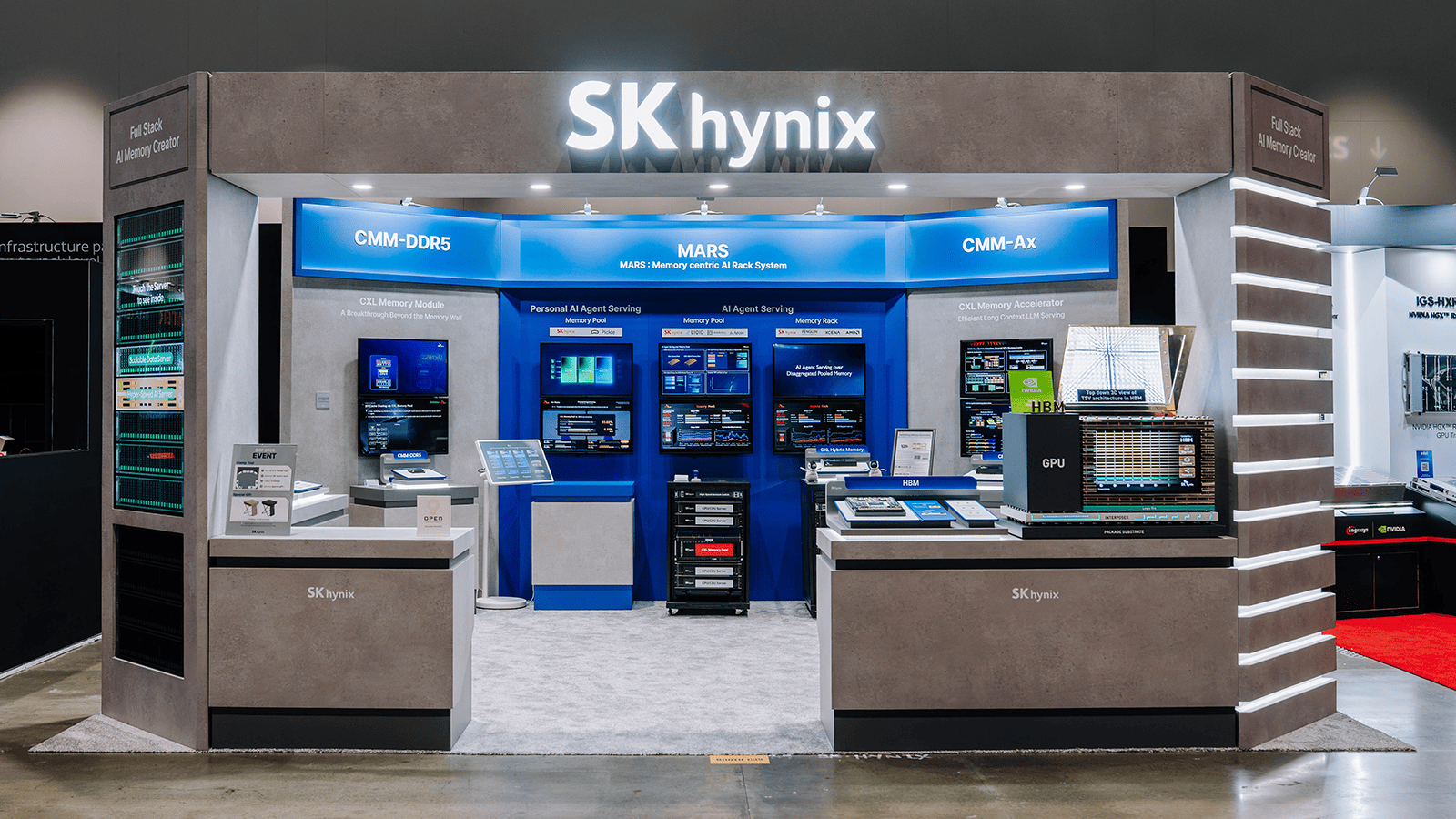
Semiconductor names led the market's downside as investors grew increasingly cautious about the pace and profitability of AI-related investments. Intel shares tumbled 8%, reversing earlier gains even after the company reported second-quarter results that topped Wall Street estimates and issued a profit and revenue forecast above analyst expectations. Intel also outlined plans to boost spending over the next two years, which appeared to unsettle investors.
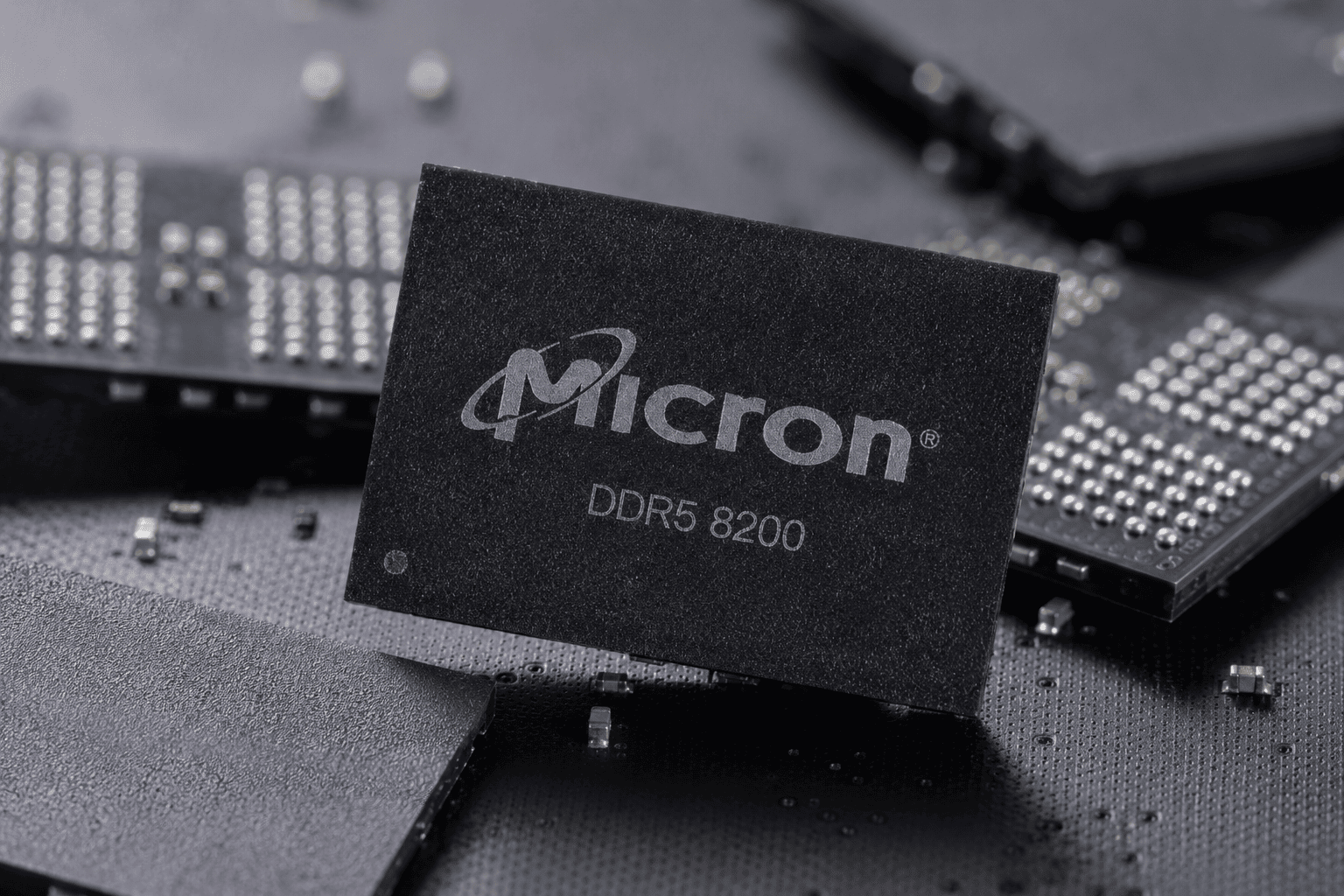
The weakness rippled across the sector. Broadcom and Advanced Micro Devices each fell about 3%, while Micron Technology lost 7%. The VanEck Semiconductor ETF (SMH) declined 3%, and the Philadelphia Semiconductor Index also moved lower.
Investor sentiment has been dampened by recent commentary from major technology firms. Alphabet raised its capital expenditure guidance despite reporting negative free cash flow, fueling concerns that heavy AI infrastructure spending may not translate quickly into higher earnings. With earnings reports from Microsoft, Amazon, Meta Platforms, and Apple still ahead, the technology sector became the largest drag on the S&P 500.
Geopolitical Tensions and Oil Markets
Geopolitical developments also influenced trading. Earlier in the week, President Donald Trump indicated he was considering a larger military response against Iran after Houthi attacks on Saudi oil tankers in the Red Sea. On Friday, The New York Times reported that Trump met with senior advisers to discuss escalating U.S. military action against Iran.
Oil prices retreated from recent highs, with Brent crude falling nearly 4% to settle at $96.78 per barrel and West Texas Intermediate dropping 3% to $89.31. Despite the decline, investors remained cautious heading into the weekend, wary that further escalation could disrupt global energy supplies and reignite inflation concerns.
Markets also digested the expiration of a temporary 10% global tariff and the imposition of new tariffs of 10% and 12.5% on imports from 60 trading partners by the Trump administration.
Economic Data and Sector Movers
Economic data released Friday showed U.S. services sector activity accelerated in July, supported partly by spending related to the FIFA World Cup and Independence Day holiday. Manufacturing activity expanded at its slowest pace since March.
Among individual stocks, Digital Realty Trust gained after raising its full-year funds-from-operations forecast, helping the real estate sector outperform. Oilfield services company SLB also advanced after reporting second-quarter profit above expectations.
For the week, the Dow and S&P 500 both finished lower, extending recent weakness, while the Nasdaq recorded a weekly decline of more than 2% as technology shares remained under pressure. For more on global market movements, see our coverage of FTSE 100's flat close and Nikkei 225's fluctuations.
This article is for informational purposes only and does not constitute financial advice.