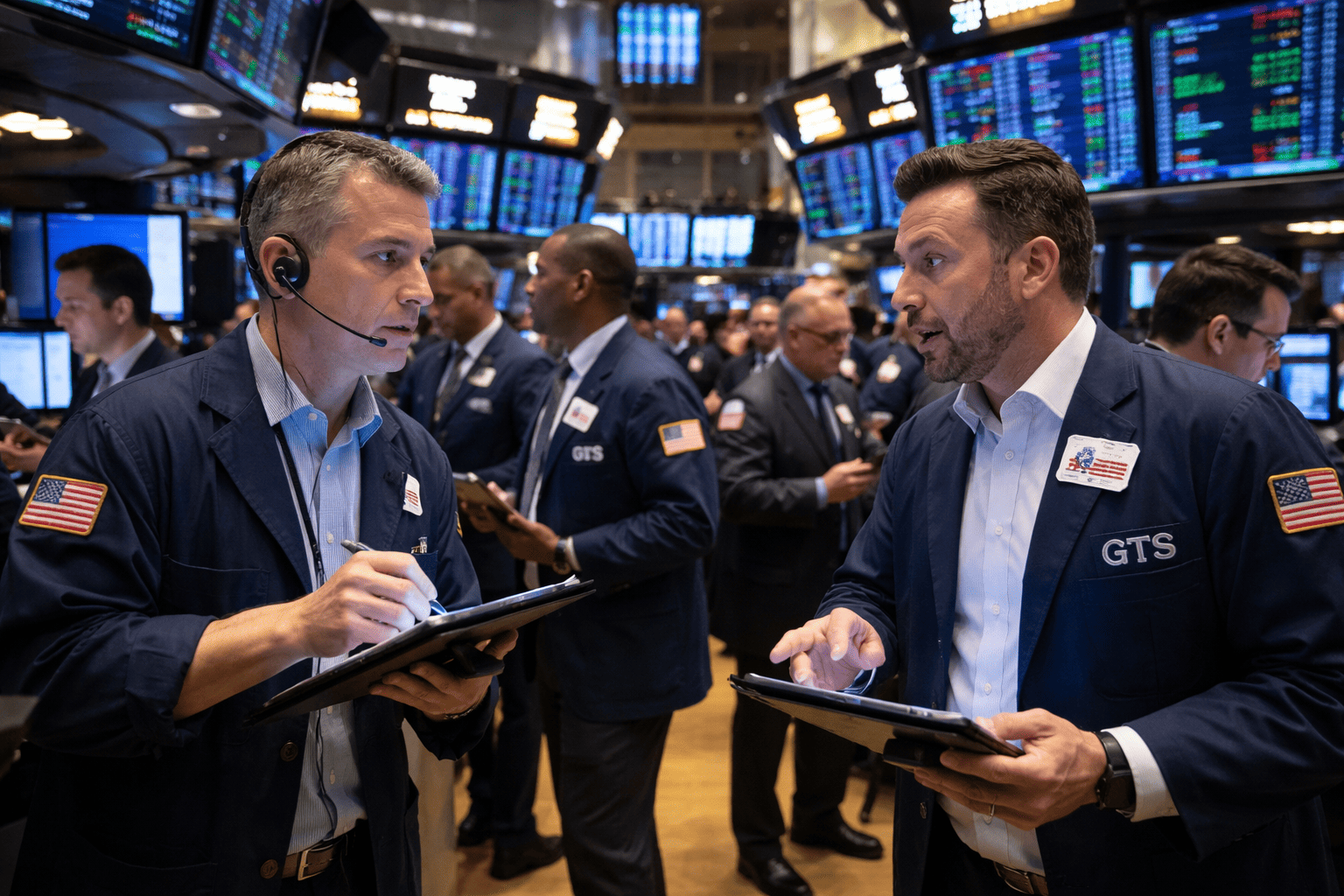
U.S. equities opened lower on Wednesday, with the Dow Jones Industrial Average shedding 253 points as investors locked in gains in semiconductor stocks following an extraordinary first half of 2026. The S&P 500 slipped 0.46%, and the Nasdaq Composite declined 0.68%, as profit-taking in the chip sector, renewed geopolitical tensions between the U.S. and Iran, and expectations of tighter monetary policy dampened risk appetite.
Semiconductor Stocks Lead the Decline
Chipmakers, which powered much of the market's rally in the first six months of the year, faced a sharp pullback. Micron Technology dropped 7.6%, though it remains up 238% year-to-date. SanDisk fell 9% after surging more than 650% during the first half. Nvidia and Broadcom also declined, falling about 3% and 2.2%, respectively.
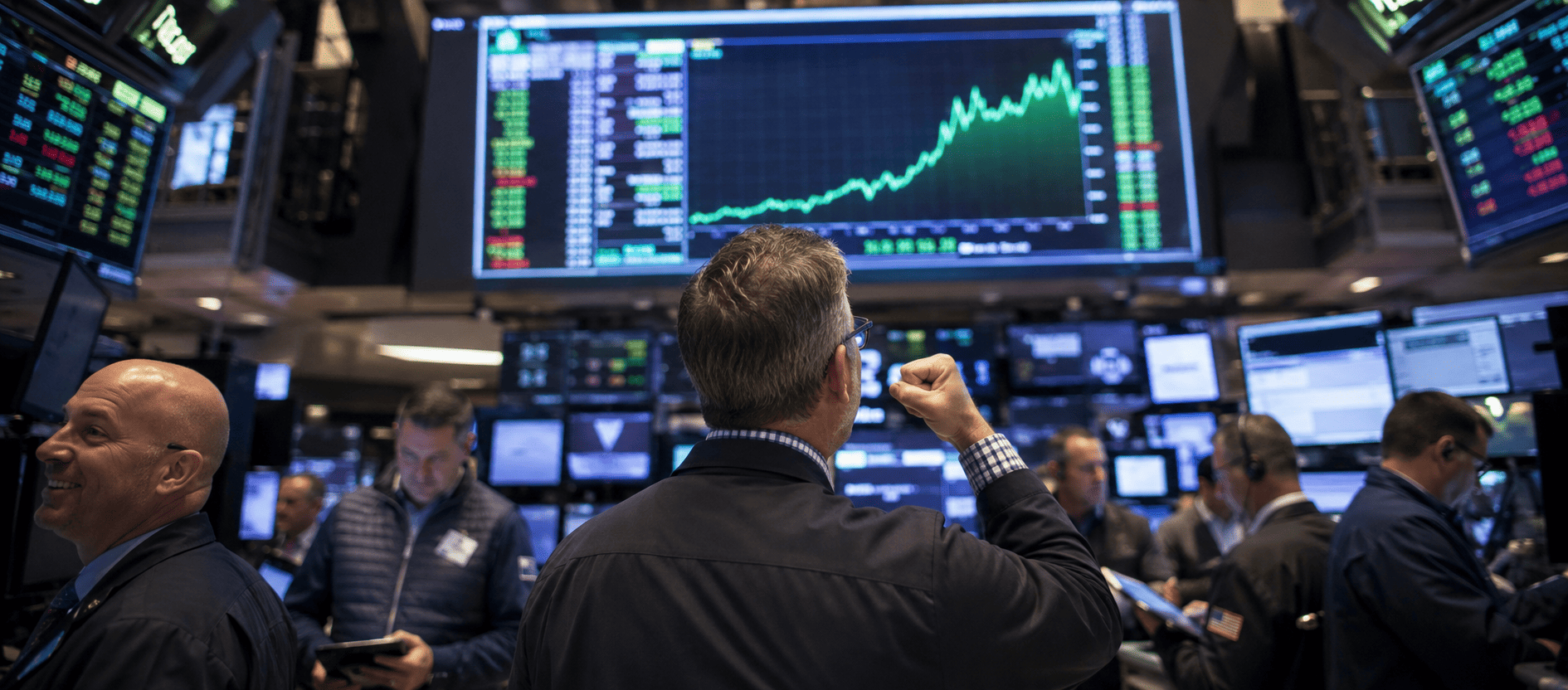
The retreat follows a historic surge in the sector. The VanEck Semiconductor ETF (SMH) climbed 82% in the first half of 2026, its best such period since its launch in May 2000. The broader market also posted strong gains: the Dow rose 8.9% for its best first half since 2021, the S&P 500 gained 9.6%, and the Nasdaq advanced 12.8%. The small-cap Russell 2000 jumped nearly 22%, its strongest first-half performance since 1991.
During the second quarter alone, gains in Micron, Intel, and Advanced Micro Devices added a combined $2 trillion in market capitalization. However, some analysts now caution that valuations in the semiconductor space may have become stretched after such rapid appreciation.
Broader Market Movers and Fed Focus
Outside of tech, Nike fell 1.7% after reporting that its turnaround efforts continue to face headwinds. Shutterstock tumbled nearly 28% after terminating its planned merger with Getty Images.
Investors are closely watching Federal Reserve Chair Kevin Warsh, who is speaking at the European Central Bank Forum on Central Banking in Sintra, Portugal. Since taking office in May, Warsh has launched a review of the Fed's policy framework and communications strategy. Markets have increasingly priced in at least one interest rate hike before year-end, as inflation concerns persist. Recent data showing U.S. job openings rose to a two-year high in May reinforced expectations that the labor market remains resilient enough for the Fed to stay focused on inflation.
Geopolitical Tensions Add to Caution
Renewed U.S.-Iran tensions also weighed on sentiment. Tehran said it would not meet with senior U.S. envoys who traveled to the region following renewed hostilities, clouding hopes for a diplomatic breakthrough. While technical talks reportedly took place in Doha, conflicting public statements suggested meaningful progress remains uncertain. The developments revived concerns about potential disruptions to global energy markets, contributing to a cautious tone across financial markets.
For more on how geopolitical risks are affecting broader markets, see our coverage of European Stocks Hit New Highs: STOXX 600, DAX Record Weekly Gains on Rate Optimism.
Looking Ahead
Beyond Warsh's remarks, investors will monitor U.S. manufacturing data from the Institute for Supply Management later Wednesday, followed by the June nonfarm payrolls report on Thursday. These data points will provide further clues on the strength of the economy and the Fed's next policy moves. For a deeper dive into the labor market's impact on rate expectations, read our analysis of June Payrolls Miss by Wide Margin, Fed Rate Hike Odds Slide.
Meanwhile, the rotation out of high-flying chip stocks continues to draw attention. For related context, see SanDisk Plunges 14% as AI Hardware Rotation Hits Memory Stocks Despite Analyst Upgrades and Memory Stocks Plunge: Samsung, SK Hynix, Kioxia Drop Up to 33% on Profit-Taking and Legal Woes.
This article is for informational purposes only and does not constitute financial advice.