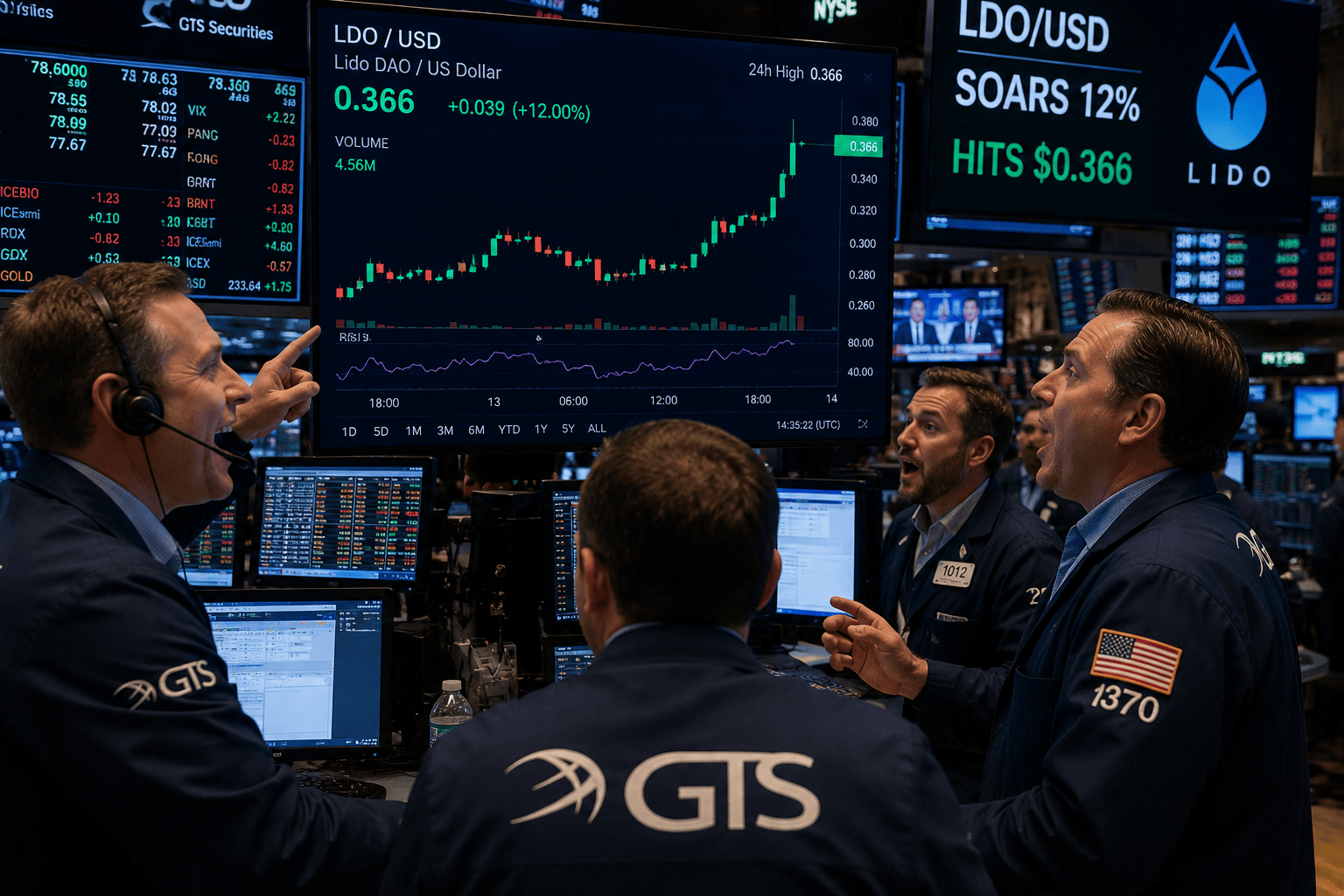
U.S. stocks staged a broad recovery on Friday, with the Dow Jones Industrial Average climbing 517.80 points, or 0.98%, to close at 53,277.01. The rebound came after Thursday's sharp selloff, which was driven by rising Treasury yields and concerns over inflation and Federal Reserve policy. The S&P 500 advanced 0.43% to 7,674.37, while the Nasdaq Composite gained 0.43% to 26,180.45.
Healthcare names like Merck and Johnson & Johnson provided support to the Dow, while financials and materials also contributed to the broader market's gains. The materials sector was the S&P 500's best performer on the day, while utilities lagged. Crypto-related stocks also rallied as Bitcoin extended its weekly advance, with Robinhood jumping nearly 14% and Coinbase gaining 8%.
Despite Friday's positive close, the major indexes ended the week in the red. The S&P 500 fell 1.4% for the week, snapping a three-week winning streak. The Nasdaq declined 2%, also ending a three-week run of gains, while the Dow slipped 0.9% for its second consecutive weekly decline.
Treasury yields remain the key driver
Investors continued to monitor the Treasury market, where yields have been a primary driver of equity volatility. The 10-year Treasury yield rose more than 3 basis points on Friday to 4.734%, while the 30-year yield gained over 3 basis points to 5.273%. Stocks have recently moved inversely to yields, falling when yields rise and gaining when they decline.
The recent increase in Treasury buybacks by the U.S. government has helped ease some pressure in the bond market. Treasury Secretary Scott Bessent has indicated that the government could expand its buyback operations further. This policy has been a key factor in stabilizing long-term yields, as noted in our analysis of the buyback plan's impact.
Friday's economic data provided some support for equities. The U.S. services sector recorded its strongest growth in nearly two years in August, driving a sharp acceleration in overall business activity. That strength offset slower manufacturing growth, which was affected by reduced stockpiling and supply disruptions linked to the Iran war.
Meanwhile, UBS Global Wealth Management raised its year-end target for the S&P 500 to 8,100, citing stronger earnings expectations and robust corporate profit growth. This optimism comes even as earnings resilience counters the Treasury yield surge.
Oil, Fed outlook, and earnings in focus
Rising oil prices remain another source of concern for investors. Brent crude gained 6.39% over the week, while U.S. crude rose 5.66%, after oil prices climbed for a sixth consecutive session. Higher energy costs could add to inflationary pressure at a time when investors are assessing the Fed's next policy moves.
Attention will turn to Federal Reserve Chair Kevin Warsh's speech at the Jackson Hole Economic Policy Symposium next week. Investors are looking for greater clarity on interest rates and central bank policy. The coming week will also bring quarterly results from Nvidia, Intuit, Salesforce, and CrowdStrike.
Additionally, July's Personal Consumption Expenditures price index—the Fed's preferred inflation measure—will be released, which could influence expectations for monetary policy. As yields remain elevated, the 30-year Treasury yield hitting a two-decade high has been a key concern for equity investors.
In the crypto space, Bitcoin reclaimed $72,000 as Treasury policy fueled a hedge narrative, contributing to the rally in crypto-related stocks on Friday.
This article is for informational purposes only and does not constitute financial advice.