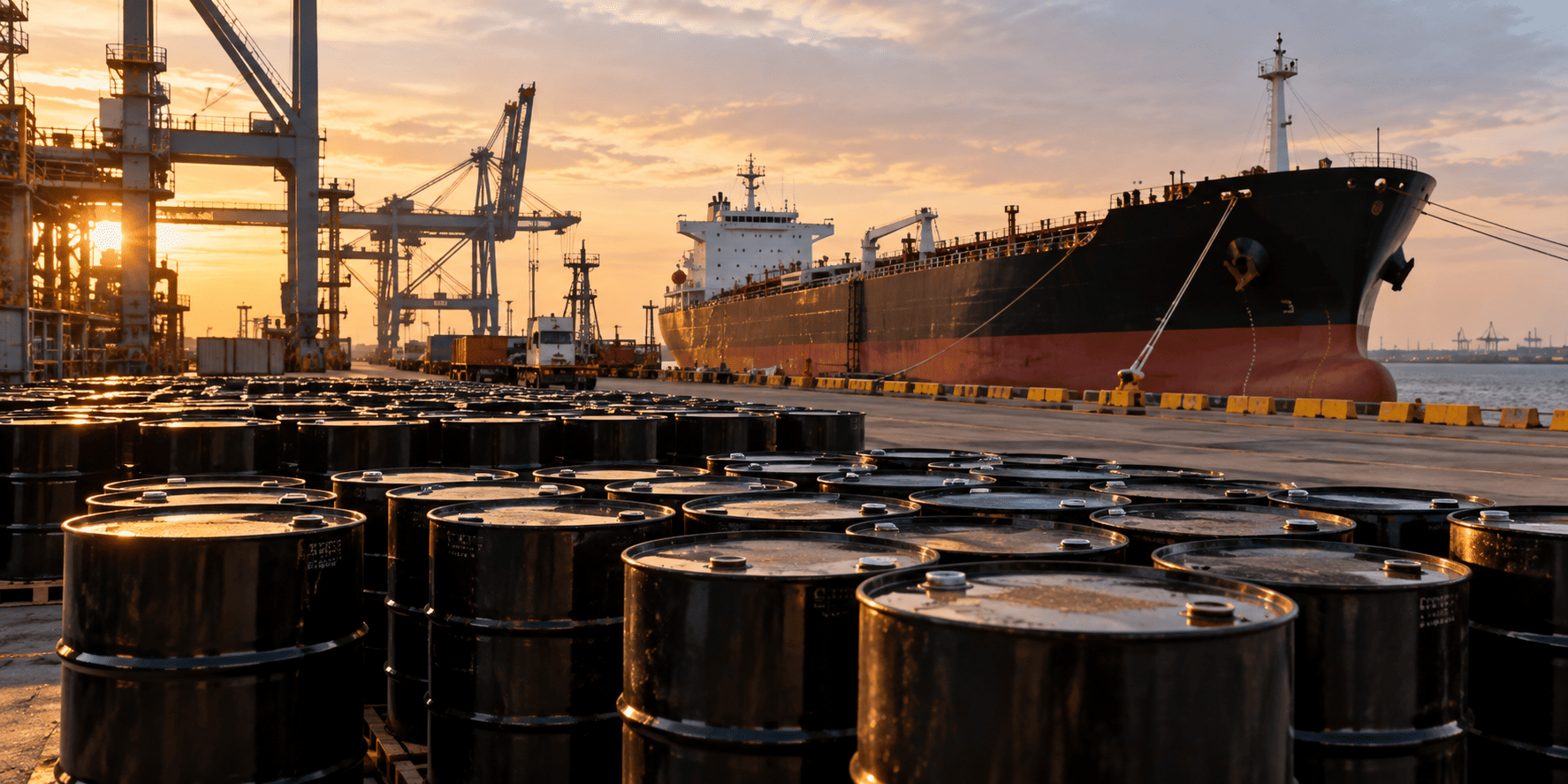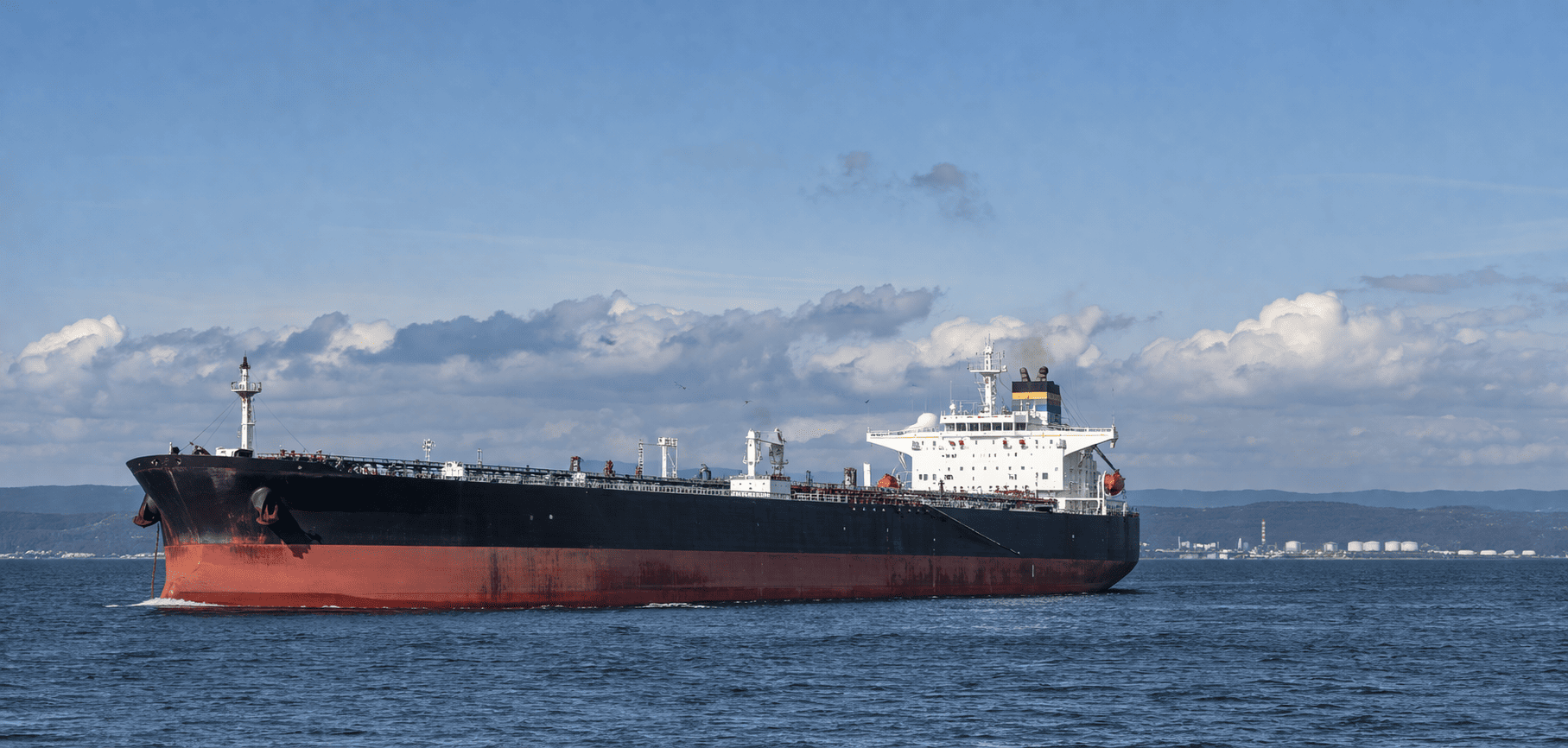
Commerzbank AG has revised its crude oil and European natural gas price forecasts downward following the recent US–Iran agreement to reopen the Strait of Hormuz, yet the bank cautions that energy prices are likely to remain elevated above pre-war levels well into 2027. The framework deal, which includes 14 points, calls for the lifting of the US blockade of Iranian ports and the reopening of the strategic waterway by Iran, marking a potential turning point for global energy markets.
Oil Price Forecast Cut Amid Hormuz Deal
Norman Liebke, FX and commodity analyst at Commerzbank, noted that energy markets reacted with relief to the agreement, leading to significant declines in both oil and gas prices. However, the pace of normalization remains uncertain. Mine clearance in the Strait of Hormuz is scheduled to be completed within 30 days, but Liebke cited a Pentagon assessment that casts doubt on this timeline. The speed of clearance will largely determine how quickly oil shipments through the strait return to normal.
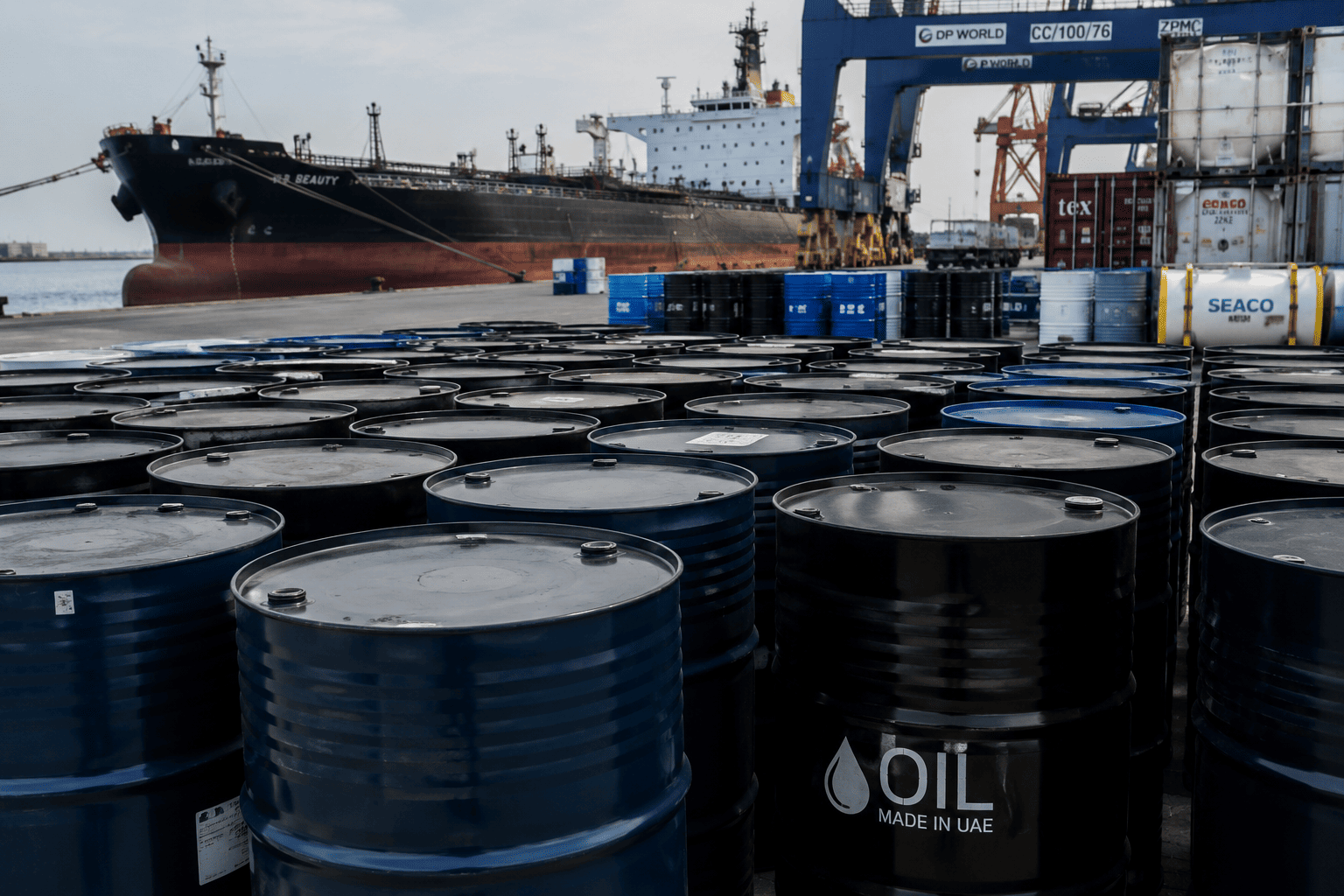
According to Bloomberg data from Vortexa, 40 supertankers carrying 80 million barrels of oil are currently waiting to pass through the strait. Kpler estimates that nearly 153 million barrels of non-Iranian oil could be transported between June and August if disruptions cease, with an additional 72 million barrels of Iranian crude possible if the US lifts its naval blockade in time.
Against this backdrop, Commerzbank has lowered its Brent crude forecast to $80 per barrel by year-end, down from $85 previously. Liebke explained that while oil supply is likely to increase slowly, prices will remain higher than pre-war levels for most of the coming year due to depleted inventories and rising demand.
Supply and Demand Dynamics
The International Energy Agency's latest monthly report shows global oil supply this year will average 3.8 million barrels per day, less than last year, with inventories declining at a similar rate since the war began. Liebke emphasized that this depletion means demand is likely to rise as inventories are replenished, keeping prices elevated. The reopening of Hormuz is expected to gradually ease supply bottlenecks, but analysts caution that insurers and shipowners remain wary, and the pace of recovery will depend on confidence in transit fees and security risks.
Gas Price Forecast Revised Lower
Commerzbank also cut its forecast for European gas prices, now expecting the European gas price to reach €45 per MWh by year-end, down from €50. In the short term, prices may decline as shipments through Hormuz resume. However, Liebke warned of upside risks, including stronger LNG demand from Asia due to the El Niño weather phenomenon and resulting higher temperatures. Low storage levels in Europe also point to upward pressure.
Gas prices are expected to remain higher next year than before the war, despite Qatar's announcement that it will ramp up production to 80% of pre-war capacity within two months. Liebke cautioned that it would still take several years for Qatari LNG production to return to pre-war levels given the war damage.
Outlook for Energy Markets
The agreement between Washington and Tehran has provided a measure of relief to energy markets, but the path forward remains complex. The reopening of Hormuz could unlock significant volumes of crude and LNG, yet logistical and political challenges persist. For oil, the balance between rising supply and depleted inventories will shape price trajectories. For gas, Asian demand and European storage constraints will be decisive.
Liebke concluded that while the pact is a positive step, markets should brace for uneven progress. The answer to how quickly oil shipments through the Strait of Hormuz return to normal will have a major impact on energy prices. For broader context, investors may also consider how ECB rate hikes are responding to inflation driven by the Middle East conflict, and how US inflation has been affected by surging energy costs.
This article is for informational purposes only and does not constitute financial advice.