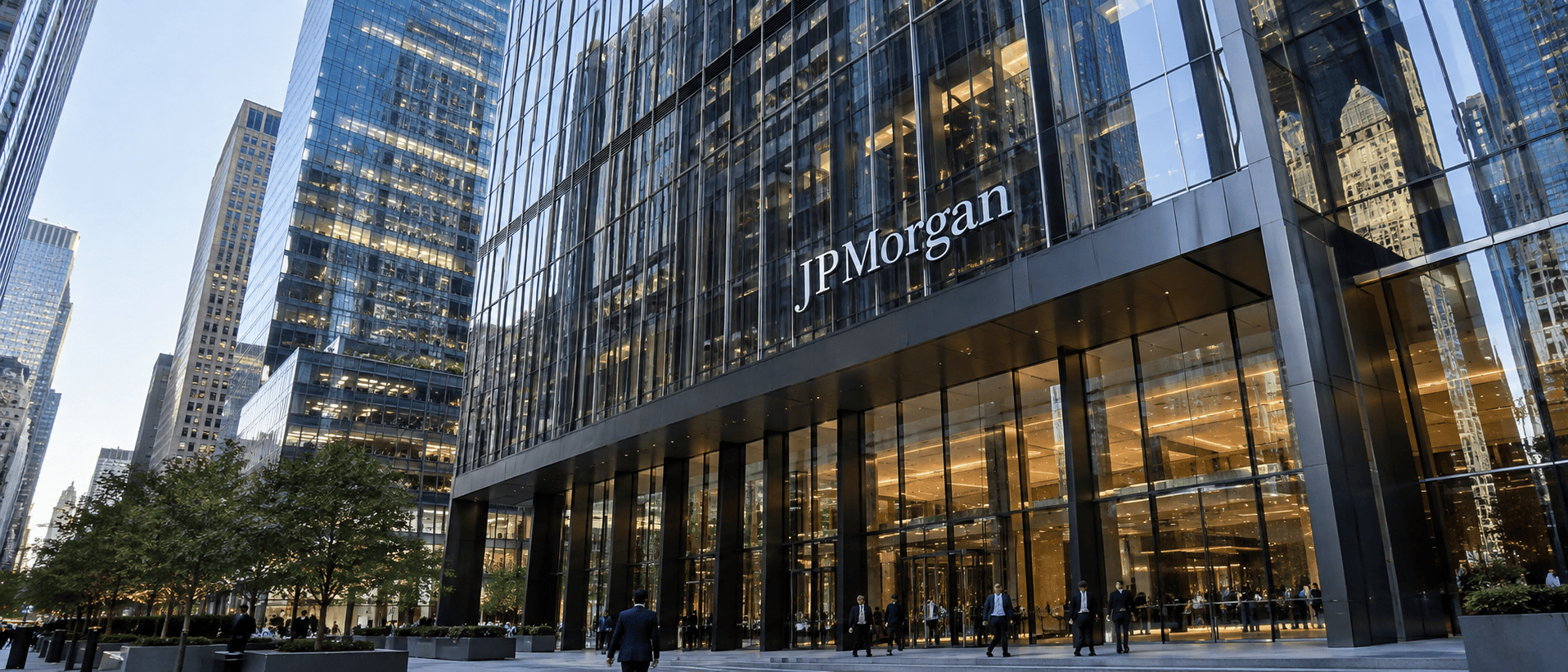
JPMorgan Chase, Bank of America, and Citigroup, alongside Wells Fargo and other major institutions, are developing a shared tokenized deposit network expected to launch in 2027. The initiative, reported by the WSJ, represents a coordinated push by the largest US banks to integrate blockchain-based settlement into the traditional financial system.
How the Tokenized Deposit Network Works
The system will operate through The Clearing House, the private payments network that already processes high-value transactions for the US banking industry. Commercial bank deposits will be represented digitally on a shared ledger, allowing real-time transfers between participating banks without relying on legacy batch settlement cycles that can take hours or a full business day. The network will function 24/7, enabling continuous liquidity movement.
Tokenized deposits differ from cryptocurrencies or stablecoins like USDC and USDT. Each tokenized deposit remains a liability on the issuing bank's balance sheet, fully backed by actual deposits. This structure keeps the system within the regulated banking framework, preserving the role of commercial banks as custodians of dollar liquidity.
Strategic Response to Stablecoin Growth
The move is widely seen as a direct response to the rapid adoption of stablecoins in crypto markets, which have become popular tools for fast, global dollar-denominated transfers outside traditional bank rails. By building their own blockchain-enabled infrastructure, banks aim to retain deposit-based money within regulated institutions rather than allowing it to flow into external digital payment systems.
This development aligns with broader trends in digital asset adoption. For context, Ether's recent rally and Bitcoin's volatility highlight the growing interest in blockchain-based assets, though the bank network focuses on regulated, deposit-backed tokens.
Institutional Focus and Infrastructure
The network is designed as a shared infrastructure layer for large institutional clients, such as multinational corporations and treasury departments managing high-volume cash flows. These users often move large sums across multiple banking relationships and jurisdictions, relying on correspondent banking networks and cut-off settlement windows. The tokenized system aims to eliminate these delays by enabling continuous liquidity movement across participating banks.
The Clearing House, which already handles high-value payment processing, will expand its role to include blockchain-based settlement. The system is described internally as a “bridge” between traditional banking ledgers and emerging digital settlement technologies.
Timeline and Next Steps
The target launch is set for the first half of 2027, with pilot phases and phased integration expected beforehand. The network is currently under development, with industry-wide expectations pointing to testing before broader deployment. This initiative marks one of the most significant coordinated moves by major US banks into blockchain-based settlement, potentially reshaping interbank payments.
As the crypto market evolves, Solana's consolidation and Stellar's transaction growth illustrate the diverse landscape of digital assets, but the bank network focuses on regulated, deposit-backed tokens.
This article is for informational purposes only and does not constitute financial advice.