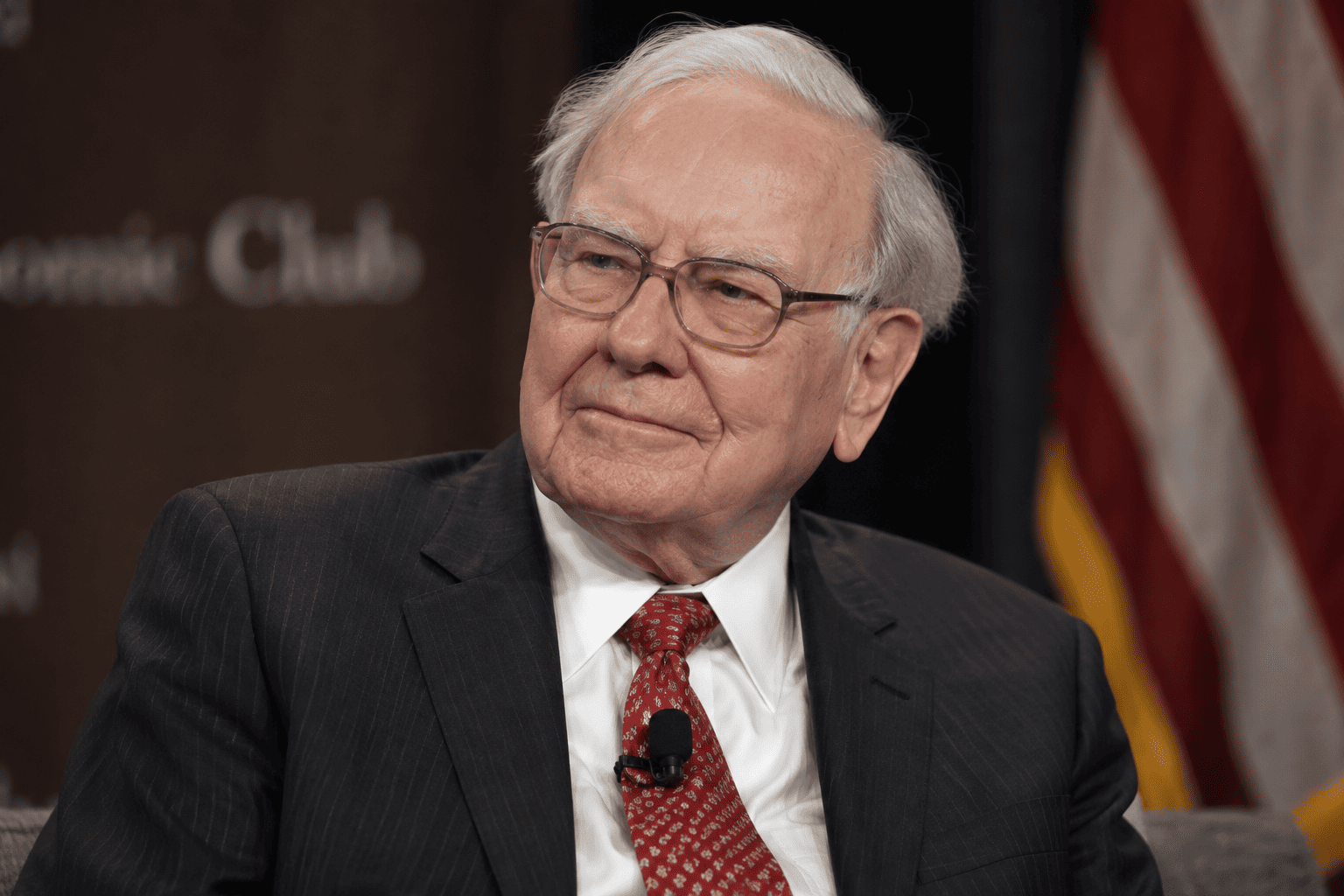
Warren Buffett, the legendary investor who built Berkshire Hathaway into a global conglomerate, has officially stepped down as chairman, marking a significant shift in the company's leadership. The 96-year-old will now serve as chairman emeritus, an honorary role without formal decision-making power, though he will remain on the board and continue to offer his perspective.
Howard Buffett, Warren's son, has been appointed as the new chairman, while Greg Abel continues as chief executive officer. This transition follows the succession plan that began when Abel took over as CEO at the start of 2026, after Warren Buffett announced his intention to step down in May 2025.

Succession Plan Advances
Warren Buffett's decision to relinquish the chairmanship comes just over nine months after Abel assumed the CEO role. In a letter to shareholders, Buffett acknowledged the inevitability of time, stating, "Father Time always wins," but expressed confidence in the company's future. He emphasized that Greg runs the company, while Howard will guard its culture and values, which he described as "worth more than anything on our balance sheet."
Howard Buffett, 71, has been a Berkshire board director since 1993 and has served on the boards of Coca-Cola and ConAgra Foods. His role as chairman is expected to focus on preserving the company's decentralized structure and investment discipline, rather than day-to operations.
Market Reaction and Stock Performance
Investors responded cautiously to the announcement, with Berkshire's Class B shares (BRK.B) slipping more than 0.5% on Friday. The stock has underperformed the broader market in 2026, rising only 2% compared to an 11% gain for the S&P 500. Since reaching a record high on May 2, 2025, the day before Buffett announced his CEO exit, Berkshire shares have fallen about 5.7%, while the S&P 500 has surged roughly 34%.
Analysts at Keefe, Bruyette & Woods noted in a client memo that the resignation could weigh on the share price, though the transition was long anticipated. Rising oil prices and a market preference for faster-growing sectors have also pressured the stock.
Abel's Capital Allocation Under Scrutiny
Greg Abel has already begun making his mark, deploying part of Berkshire's massive cash pile, which stood at approximately $365 billion. Recent moves include a $10 billion investment in Alphabet and the $8.5 billion acquisition of U.S. homebuilder Taylor Morrison. These transactions are being closely watched as investors assess whether Abel can match Buffett's legendary capital allocation skills.
Buffett built Berkshire's reputation on making large, strategic investments while maintaining financial flexibility. The challenge for Abel is to demonstrate that Berkshire can continue this approach without Buffett's personal reputation as a backstop.
A Legacy of Transformation
Buffett took control of Berkshire in 1965, transforming a struggling textile company into a sprawling empire of insurance, industrial, consumer, and financial businesses. Under his leadership, Berkshire delivered a 19.7% compounded annual return, roughly double the long-term S&P 500 return. The company generated $44.5 billion in operating earnings last year and employs nearly 400,000 people, with a market value surpassing $1 trillion in 2024.
As Berkshire enters this new era, investors will be watching closely to see how Abel and Howard Buffett navigate the challenges ahead. For more on related succession stories, see Tata Sons' leadership shift and UK political transition. Additionally, three Buffett holdings that fit his playbook remain relevant, and the Dow slipped on the news.
This article is for informational purposes only and does not constitute financial advice.

