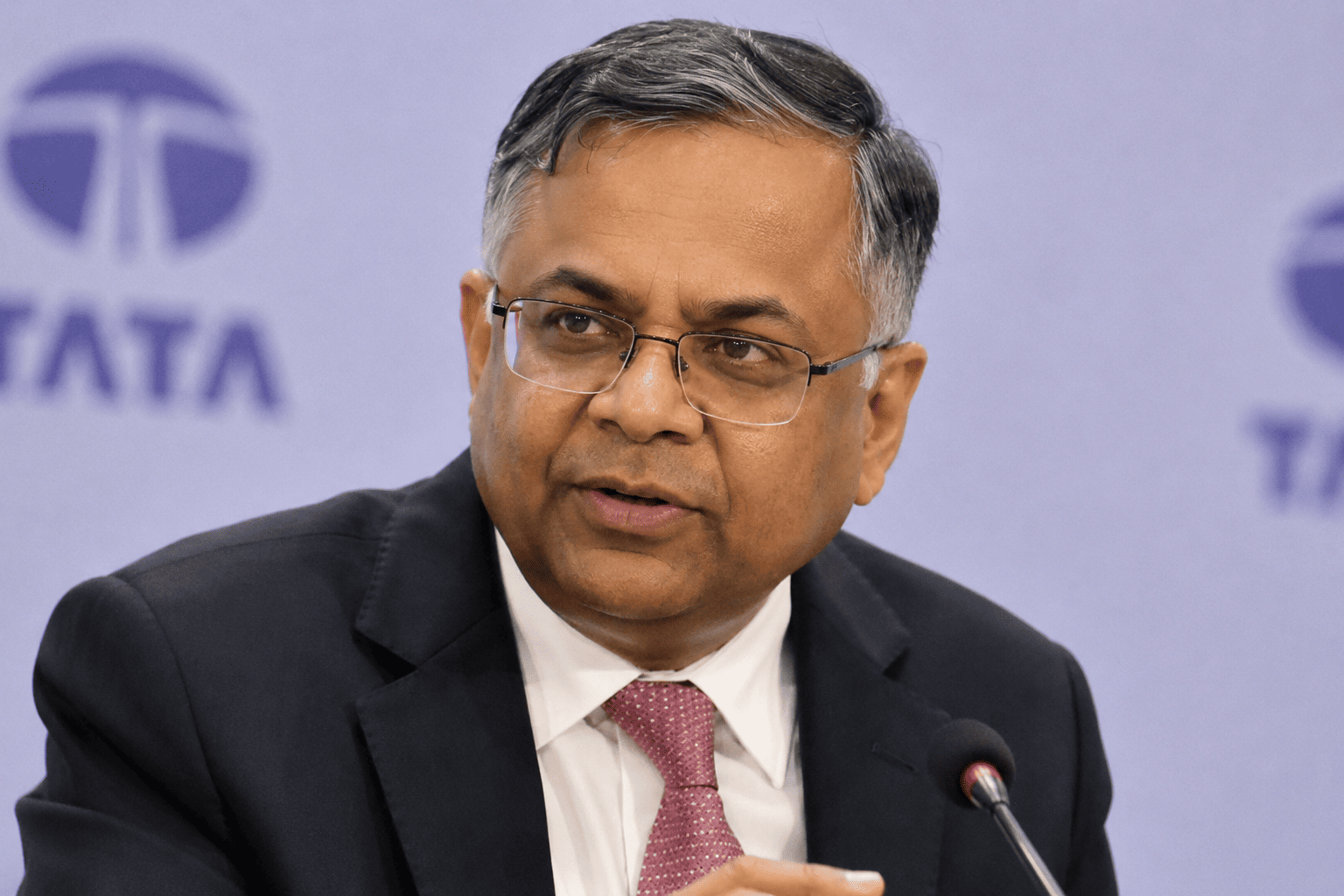
The abrupt decision by N Chandrasekaran not to seek another term as chairman of Tata Sons has set the stage for one of the most consequential leadership transitions in Indian corporate history. The move, announced earlier this week, comes as the 158-year-old conglomerate navigates a period of heavy capital expenditure and strategic expansion, raising questions about the future direction of the group.
Leadership vacuum at a pivotal moment
Chandrasekaran's current term as chairman is set to expire on February 20, 2027. In a statement, he revealed that while the Dorabji Tata Trust and Sir Ratan Tata Trust had unanimously recommended a five-year extension, one member of the Tata Sons board did not support the proposal. "It has been 6 months since that Board meeting, and no resolution has been reached till date," he said, emphasizing that prolonged uncertainty over leadership was not in the best interests of the group's employees, investors, and partners.
The announcement has intensified speculation over who will eventually lead India's largest conglomerate, which currently has no deputy chairman or publicly identified successor. The timing is particularly critical as Tata Sons oversees several strategic projects at advanced stages, including the turnaround of Air India, the establishment of a semiconductor fabrication plant, and the expansion of iPhone manufacturing operations.
Boardroom tensions come to the fore
Multiple media reports attribute Chandrasekaran's decision to months of disagreements with Tata Trusts, the charitable entities that control the group. The Financial Times, citing sources familiar with the matter, reported that tensions had been building for nearly a year between Chandrasekaran and Noel Tata, chairman of Tata Trusts. The report suggests Noel Tata has been pushing for his son, Neville Tata, to take on a more prominent role within the group.
Until early this year, Chandrasekaran had been widely expected to receive another five-year mandate. However, the FT reported that Noel Tata expressed reservations during a February board meeting, despite the trusts having earlier backed the extension. According to sources, Chandrasekaran could have faced a confidence vote at Tata Sons' annual meeting scheduled for next week.
Investment cycle at a critical juncture
The leadership change comes during one of the most ambitious investment phases in Tata Group's history. Under Chandrasekaran's stewardship, the conglomerate acquired Air India in 2022, entered large-scale iPhone manufacturing through the acquisitions of Wistron and Pegatron's India operations, and announced India's first semiconductor fabrication plant in partnership with Taiwan's Powerchip Semiconductor Manufacturing Corp.
The group has also expanded aggressively into electronics manufacturing and artificial intelligence-related infrastructure, aligning with India's broader ambition to become a global manufacturing hub. In his latest shareholder letter, Chandrasekaran described these investments as some of the group's "largest capital commitments" and key building blocks for India's goal of becoming a developed economy by 2047.
However, many of these businesses remain in investment mode and have yet to generate meaningful profits. The financial strain is evident: Tata Sons' consolidated net profit declined 35% to 266 billion rupees in the fiscal year ended March 2026, as losses mounted at Air India, Tata Digital, and Tata Electronics.
Financial pressures intensify
The group's expansion has coincided with growing financial challenges across several businesses. Tata Consultancy Services (TCS), traditionally the group's largest profit generator, has come under pressure from the rapid adoption of artificial intelligence. Shares of TCS have fallen roughly 20% over the past year amid concerns about long-term demand for traditional IT services, with the stock dropping another 5% following Chandrasekaran's announcement.
Air India continues to face operational and financial headwinds after last year's fatal crash that claimed 260 lives. Separately, Tata Sons is awaiting a decision from the Reserve Bank of India over whether the holding company will be required to list publicly because of its classification as one of the country's largest non-banking financial companies.
Pressure to list has also mounted this year from stakeholders including the second-largest shareholder, Shapoorji Palloni Group (SP Group). Reports suggest Tata Trusts has opposed such a listing and has sought additional clarity from Tata Sons on business performance, long-term strategy, capital expenditure, and the rationale for remaining privately held.
Analysts point to capital allocation differences
Analysts believe the disagreement reflects differing views on how aggressively the group should allocate capital. While Chandrasekaran has championed bold investments in new sectors, some board members may prefer a more conservative approach, particularly given the current financial pressures. The succession battle will likely hinge on who can balance these competing priorities while maintaining investor confidence.
As the group navigates this leadership transition, the outcome will have significant implications for India's corporate landscape and the broader economy. Investors will be watching closely for signals on the future direction of Tata Sons, including potential leadership candidates and strategic priorities. The coming months will be crucial in determining whether the conglomerate can maintain its momentum amid this uncertainty.
This article is for informational purposes only and does not constitute financial advice.