The Kospi index enters a critical stretch this week, with several catalysts poised to shape the direction of South Korean equities. After a volatile period marked by semiconductor sector swings, the benchmark is trading around 6,736 points, well below its year-to-date high of 9,387. Investors are now weighing the impact of domestic monetary policy, geopolitical risks, and a major tech earnings report.
Bank of Korea rate decision
On Thursday, the Bank of Korea (BOK) will announce its latest interest rate decision. The central bank previously raised rates to 2.75% to combat inflation, and recent data shows headline consumer inflation at 2.8% in July, slightly below the expected 3.0%. However, core inflation posted its largest jump in over two years, fueling speculation that the BOK may tighten further.

Analysts note that while demand-pull inflation is not yet evident in the data, the current inflation level around 3% gives the central bank room to act preemptively. A rate hike could weigh on equities, as Korean stocks have historically benefited from a low-rate environment.
US-Iran tensions escalate
Geopolitical risks are also front and center. The US has signaled it will announce a significant increase in sanctions against Iran, aiming to bring Tehran to the negotiating table. Iran has responded with threats, including warnings to the UAE about economic repercussions if it attempts to curb trade. The situation is further complicated by the ongoing flow of oil through the Strait of Hormuz, with Brent crude trading near $91 and WTI around $85.
Any escalation could disrupt global markets, and South Korea, as a major energy importer, would be particularly sensitive to oil price spikes.
Nvidia earnings as a bellwether
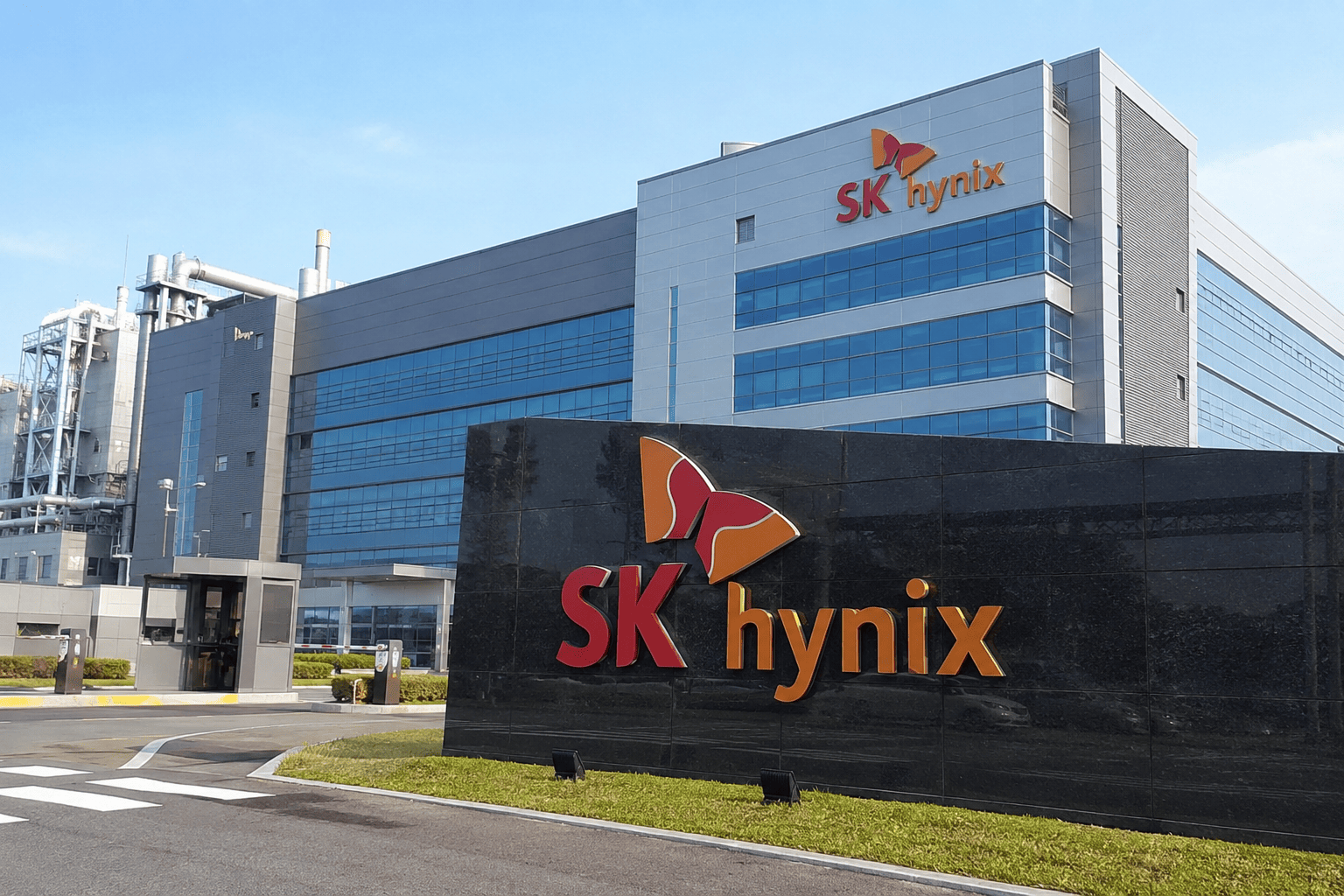
On Wednesday, Nvidia is set to report quarterly results, a key event for global tech and AI-related stocks. Analysts expect revenue to nearly double year-over-year to over $92 billion, with third-quarter guidance around $103 billion. Strong results would likely boost the Kospi, given that Nvidia is a major customer of SK Hynix and Samsung, the index's two largest constituents. SK Hynix, in particular, is the primary supplier of high-bandwidth memory (HBM) to Nvidia.
Conversely, a disappointing outlook could trigger a selloff in chip stocks, dragging the Kospi lower. The recent rebound in Kospi has been driven by strong inflows into Korea-focused ETFs, but Nvidia's report will test the sustainability of that momentum.
Technical outlook
From a technical perspective, the Kospi has shown signs of stabilization. It has moved above its 200-day exponential moving average (EMA) and broken out of a descending channel that had been in place since mid-June. The MACD indicator is also turning positive, suggesting building upward momentum.
If these signals hold, the index could target the psychological level of 8,000 points in the near term. However, a failure to hold above key support levels could lead to renewed downside, especially if external risks materialize.
Investors should also keep an eye on broader market trends, such as the recent rebound in US stocks and the pressure on AI infrastructure names from rising bond yields. These factors could spill over into Korean equities.
This article is for informational purposes only and does not constitute financial advice.