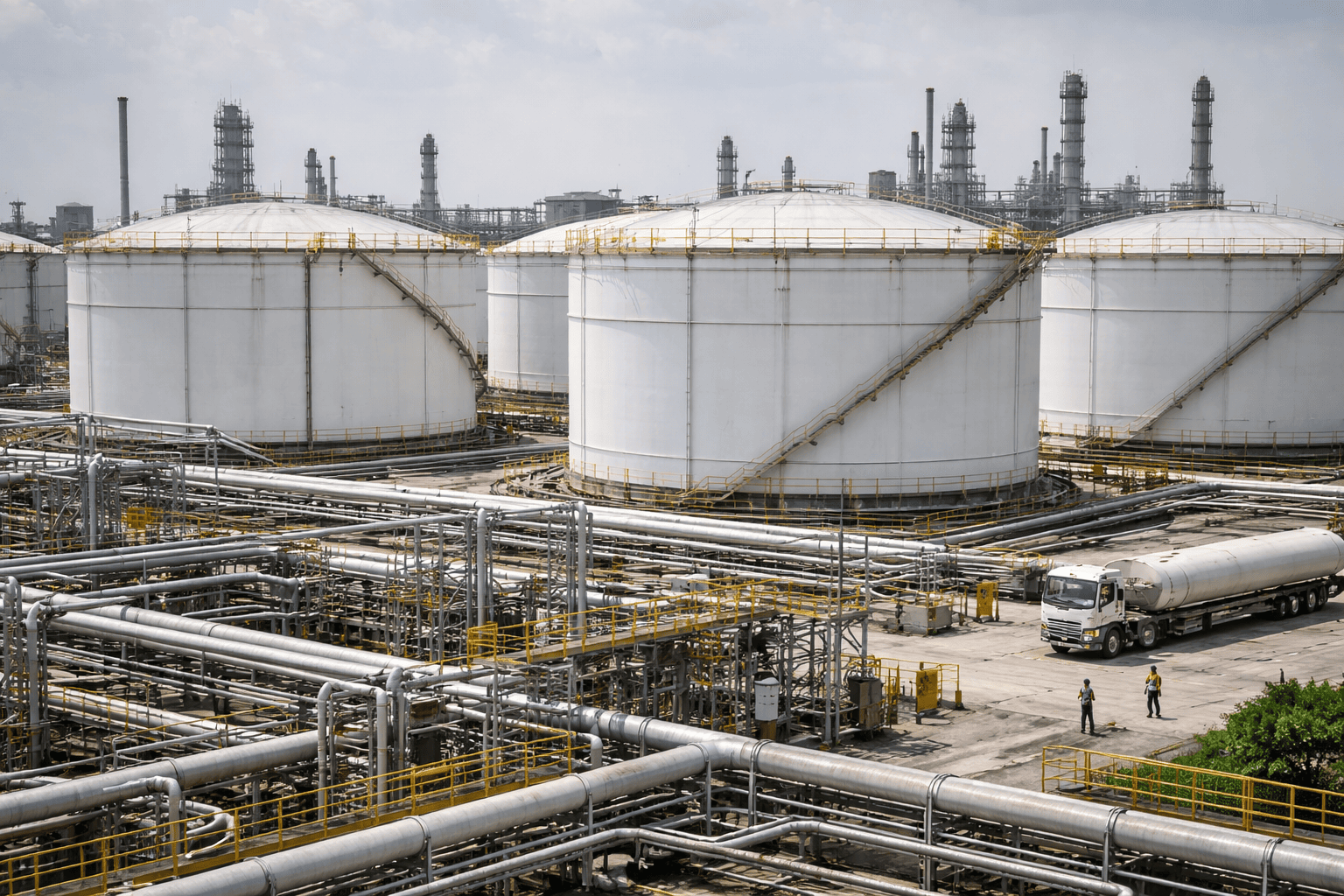
Oil prices extended their sharp rebound on Tuesday, with Brent crude touching $88 a barrel—its highest level since late July—while West Texas Intermediate reached $82.45. The move follows a roughly 5% surge on Monday, driven by a fresh deterioration in US-Iran diplomacy and renewed concerns about the security of the Strait of Hormuz.
The latest rally is less about an immediate physical supply disruption and more about a reassessment of how quickly normal shipping can resume through the world's most critical oil chokepoint. Iran has signaled that an agreement with Oman on new shipping lanes is close, but a broader settlement with Washington remains unresolved. President Donald Trump's added compensation demands have made a quick breakthrough look less likely, leaving traders to price in a longer period of constrained Gulf flows.
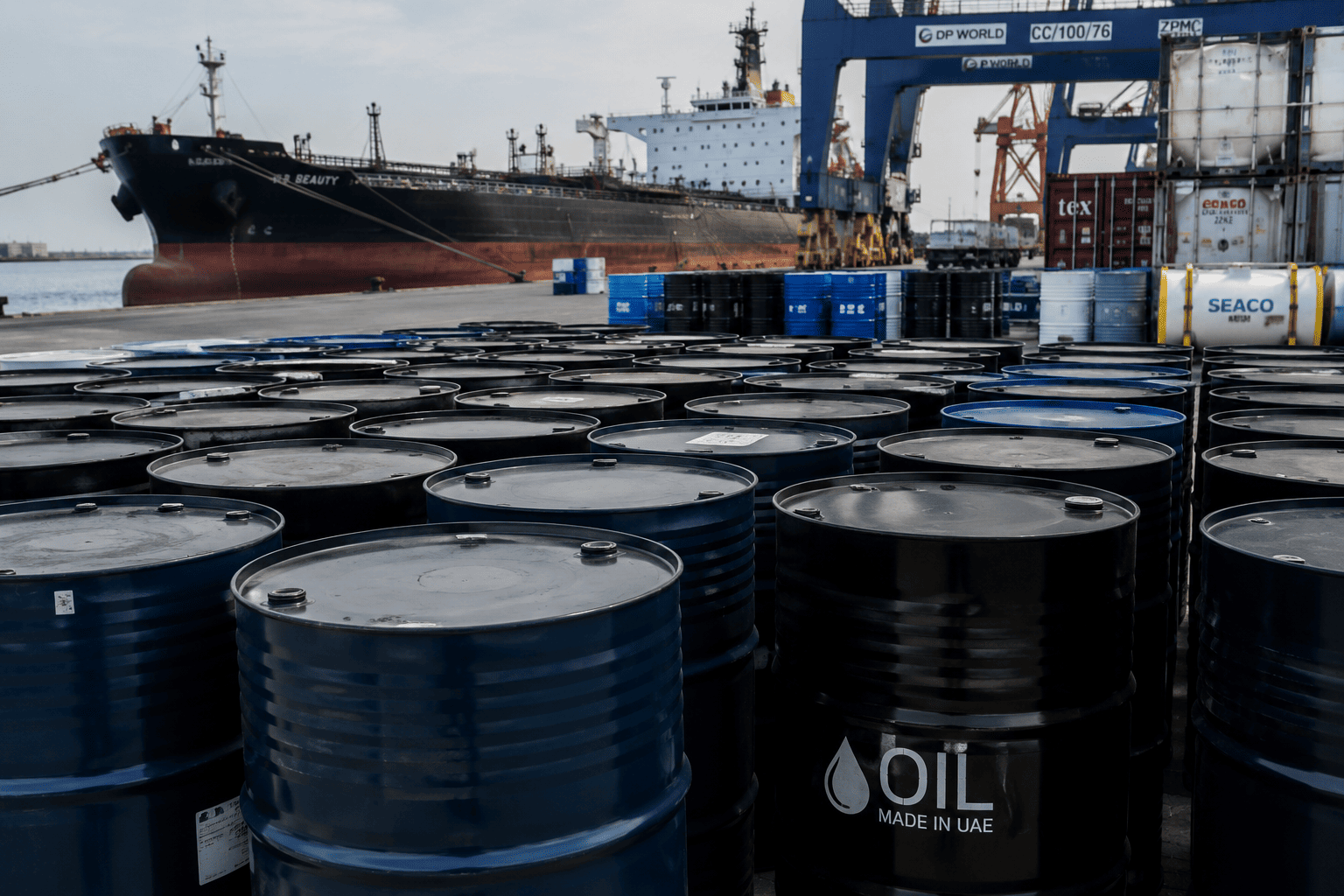
According to the US Energy Information Administration, roughly 20 million barrels per day passed through the Strait of Hormuz in 2024, equivalent to about 20% of global petroleum liquids consumption. Any prolonged disruption would have significant implications for global supply and prices.
IG market analyst Tony Sycamore views the negotiations as a prolonged test of which side will concede first. He expects crude to remain volatile while the political impasse persists. Brent settled at $87.72 on Monday after a 5% jump, while WTI ended at $82.13. Tuesday's move extends a sharp rebound from last week, when hopes of a shipping agreement briefly pushed the geopolitical premium lower.
CPI report takes on added significance
The oil rebound raises the stakes for Wednesday's July consumer-price index report, scheduled for 8:30 am ET. Economists expect headline CPI to rise 0.1% from June and core prices to increase 0.2%. June headline inflation slowed to 3.5% year over year, and core inflation eased to 2.6%, helped by cheaper energy.
A sustained crude rally would not feed through to consumer prices immediately, but it could lift inflation expectations and make policymakers less comfortable treating July's weak jobs report as a reason to stay patient. Fed-funds futures now put the chance of a September rate increase close to even, after the probability fell sharply following Friday's payrolls data.
Capital Economics economist Jonas Goltermann sees the risk around CPI tilted toward a stronger reading, which could revive rate-hike expectations and concerns about weak growth arriving alongside persistent inflation. The tension is clear: the US economy unexpectedly lost jobs in July, but energy prices are climbing again. A soft CPI reading would reinforce the bond-market relief that followed payrolls, while a hotter number would put stagflation risk back in focus.
Asia drifts as rates complicate the AI trade
Asian equities reflected uncertainty rather than outright risk aversion. MSCI's broadest Asia-Pacific index outside Japan was about 0.2% higher, while South Korea's KOSPI gained around 0.3%. S&P 500 and Nasdaq futures also edged higher.
Investors in Australia were awaiting the Reserve Bank's August decision, due at 2:30 pm AEST. The cash rate stands at 4.35%, with markets broadly expecting policymakers to hold. The yen traded weaker than 159 per dollar, with Nomura analysts seeing intervention risk limiting an immediate break above 160, although persistent dollar buying on dips suggests pressure on the currency remains.
Another rate-sensitive story came from Nvidia. The chipmaker has partnered with Apollo, BlackRock, Blackstone, Brookfield, Goldman Sachs, and KKR on financing platforms targeting more than $500 billion of third-party capital for AI infrastructure. Nvidia can backstop as much as 25% of potential deals. The program shows how the AI boom is expanding from an equity story into a credit and infrastructure-financing trade. It also gives markets another reason to care about rates: expensive capital makes the data-center build-out supporting technology valuations harder to finance.
For Tuesday, oil remains the immediate signal. If Hormuz negotiations deteriorate further, $88 Brent could turn from a geopolitical headline into a renewed inflation problem just as the Fed weighs whether the labor market has weakened enough to stop tightening. Related market moves include Dow slips as Hormuz tensions and Intel's $15B offering weigh and Brent slips below $80 as Iran-Oman talks fuel Hormuz hopes.
This article is for informational purposes only and does not constitute financial advice.