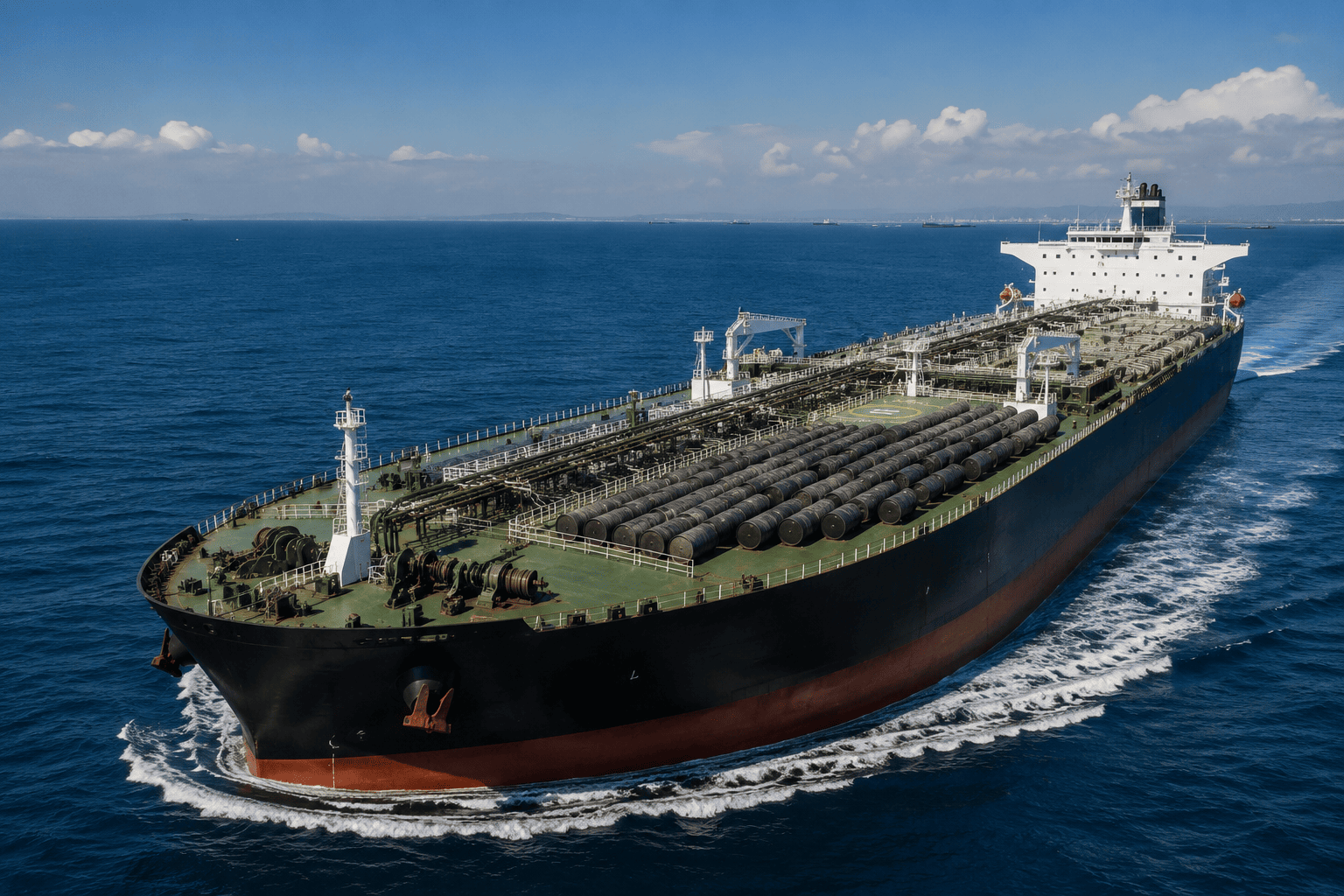
Brent crude oil prices advanced to $102.60 per barrel, marking the highest level since late September, as geopolitical risks in the Middle East continued to escalate. The latest surge comes despite coordinated efforts by the United States and other G7 nations to release 100 million barrels from strategic reserves, a move aimed at tempering price pressures ahead of the U.S. midterm elections.
Geopolitical tensions fuel supply concerns
The primary driver behind the recent rally is the growing likelihood of a direct confrontation between the United States and Iran. Washington has dispatched an additional aircraft carrier to the Middle East, and President Trump has hinted at possible military action following the elections. Meanwhile, analysts warn that Iran may seek to provoke a response by targeting U.S. assets in the region, which could further disrupt oil supplies.

Beyond the US-Iran standoff, attacks on critical energy infrastructure have intensified. Yemen's Houthi rebels launched strikes on a Saudi Aramco refinery, while Ukraine has vowed to continue hitting Russian oil and gas facilities. These incidents raise concerns about prolonged outages, even after conflicts subside, as repairs to damaged infrastructure could take months.
Technical outlook points to further upside
From a technical perspective, Brent has maintained an ascending trendline since July, with prices consistently finding support above this level. The commodity also trades above its 50-day and 100-day exponential moving averages, indicating strong bullish momentum. The Supertrend indicator remains in positive territory, reinforcing the upward bias.
Given these signals, market participants anticipate that Brent could test the key resistance level of $109.96, its September high. A breakout above this threshold would open the door to further gains, potentially reaching $115 per barrel.
Market implications and investor considerations
The sustained rise in crude prices has broader implications for global markets. Higher energy costs could exacerbate inflationary pressures, prompting central banks to maintain tighter monetary policies. For investors, the current environment underscores the importance of monitoring geopolitical developments and their potential impact on commodity prices.
While the release of strategic reserves may provide temporary relief, the underlying supply risks remain elevated. The combination of geopolitical tensions, infrastructure attacks, and the possibility of further escalation suggests that volatility in oil markets is likely to persist in the near term.
This article is for informational purposes only and does not constitute financial advice.

