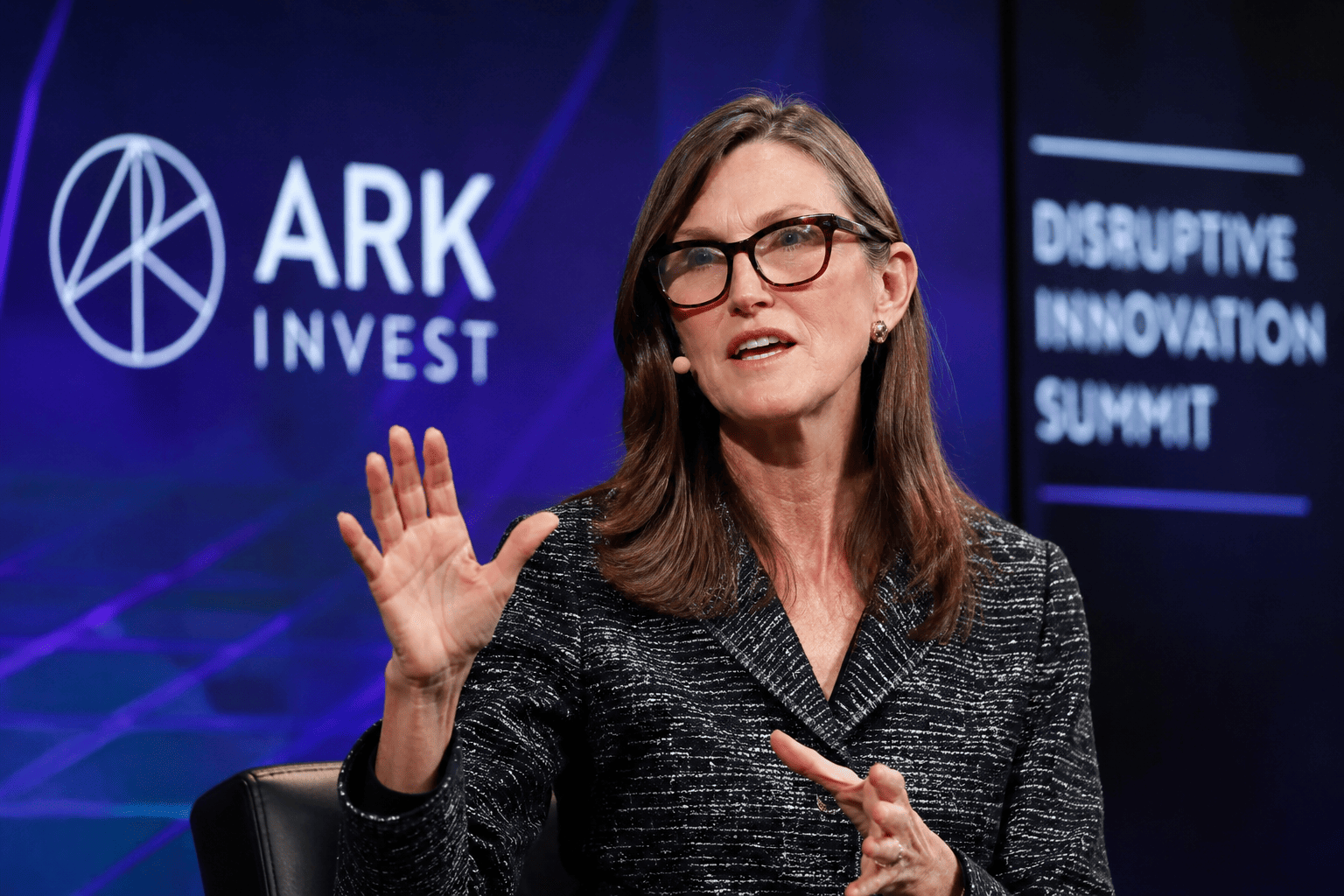
ARK Invest, led by Cathie Wood, has taken advantage of SpaceX's recent post-earnings slump, purchasing 114,815 shares through the ARK Innovation ETF on August 7. The transaction, valued at approximately $13.2 million, came as the stock rebounded sharply, surging 15.83% to $133.11, just shy of its $135 IPO price.
The timing of ARK's purchase is notable. SpaceX's first earnings report as a public company, released earlier in the week, showed impressive revenue growth but also revealed massive capital expenditures tied to AI infrastructure. Second-quarter revenue jumped 92% year-over-year to $7.8 billion, while the net loss of $541 million (or 9 cents per share) was narrower than analysts had expected. However, total capex reached $18.4 billion, with roughly $15.8 billion allocated to AI-related projects.

Investors initially reacted negatively, sending shares down nearly 14% on August 5. But ARK's move suggests Wood views the sell-off as a buying opportunity, betting that the heavy spending will eventually translate into stronger growth. This aligns with the view of Argus Research analyst Steven Silver, who upgraded SpaceX to Buy on August 7 with a $160 price target, citing strong operational performance and a robust growth outlook.
The purchase also came just after a major lock-up expiry. On August 6, approximately 911.5 million shares became eligible for trading, more than doubling the float. Contrary to fears of a selling wave, the stock rose 6.1% that day, followed by Friday's surge. Morgan Stanley's Adam Jonas described the lock-up expiry as a chance to buy shares at a discount, setting a $300 price target for mid-2027.
Wall Street remains largely bullish. Bernstein maintained an Outperform rating with a $239 target, while Oppenheimer reiterated its $250 target and pulled forward its estimate for SpaceX to reach $1 trillion in annual revenue to 2032, citing faster AI build-out. Bank of America kept its Buy rating and $235 target, forecasting about $24.5 billion in AI revenue by 2026.
Beyond AI, Starlink adds another growth pillar. William Blair's Louie DiPalma highlighted third-generation satellites, which SpaceX says will provide roughly ten times the capacity of earlier versions. However, Piper Sandler remains cautious, keeping a Neutral rating and cutting its target to $140, pointing to future lock-ups, rising 2027 capex, and uncertainty around cancellable AI cloud contracts.
For investors, the key question is whether SpaceX can convert its massive investment into sustained revenue growth. The recent price action suggests that some see the pullback as an entry point, but the high capex and potential for further volatility remain risks. As always, individual investment decisions should be based on one's own research and risk tolerance.
This article is for informational purposes only and does not constitute financial advice.