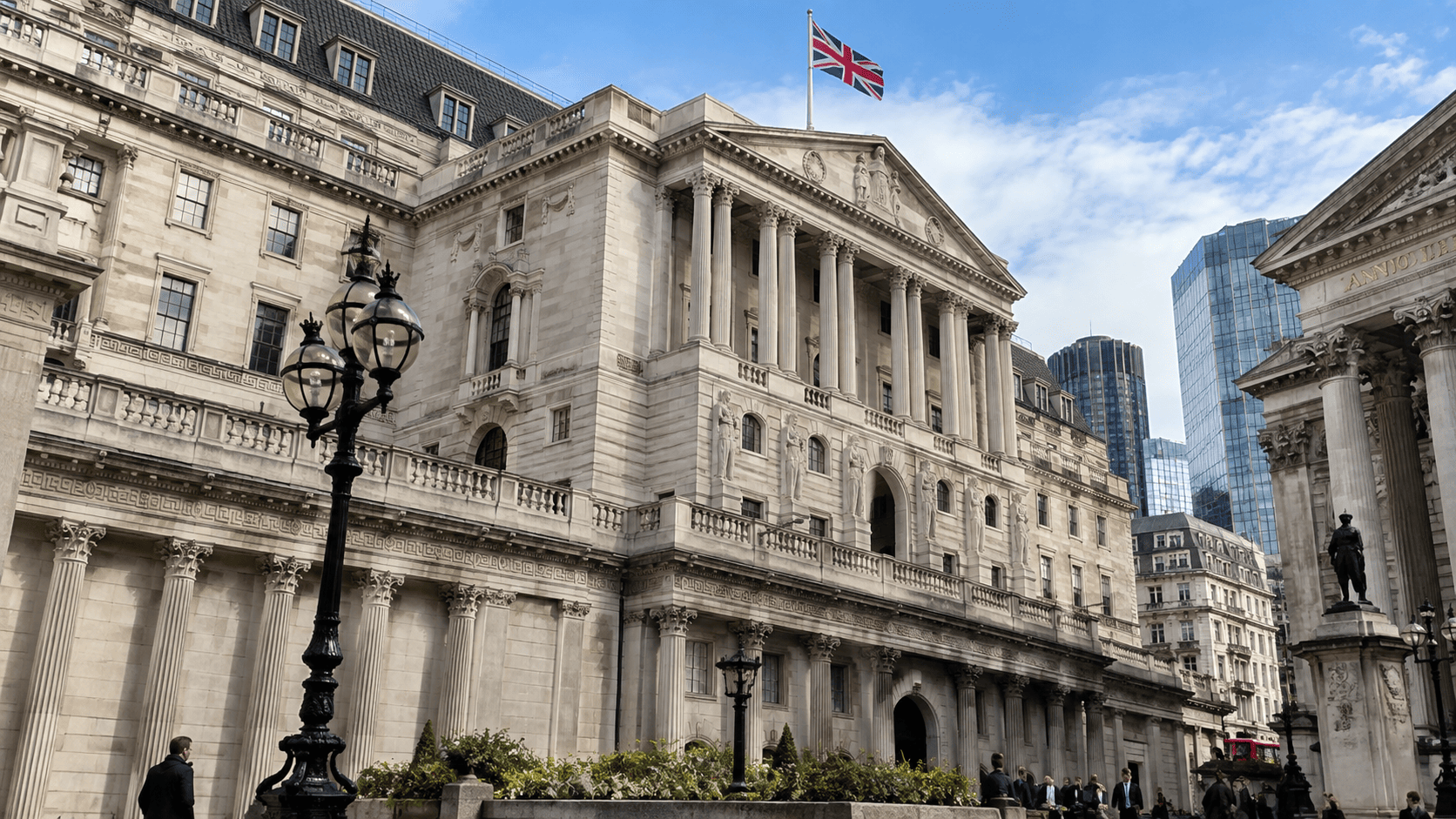
The Bank of England (BoE) left its benchmark interest rate unchanged at 3.75% on Thursday, opting for a pause even as UK inflation accelerated and energy prices surged. The decision, reached by a 6-3 vote, diverges from the recent tightening moves by the Federal Reserve and the European Central Bank, highlighting the BoE's cautious approach amid heightened geopolitical risks.
Why the BoE held steady
The Monetary Policy Committee (MPC) judged that the current rate level is appropriate for now, but it issued a stark warning: a prolonged conflict in the Middle East could push inflation higher and force the central bank to raise borrowing costs again. Governor Andrew Bailey noted that higher global energy costs have so far had a limited effect on UK price and wage setting, but he cautioned that the longer volatility persists, the greater the impact on inflation and the more likely a rate hike becomes.

The BoE's stance contrasts with the Fed and ECB, which have both raised rates in recent months. The BoE's decision also comes ahead of the Bank of Japan's expected rate increase, underscoring the global divergence in monetary policy. The UK's position as a net energy importer makes it particularly vulnerable to energy price shocks, a factor that likely influenced the MPC's decision to hold.
Inflation pressures persist
Official data released on Wednesday showed UK inflation climbed to 3.1% in August, its first move above 3% since March. The increase was driven largely by a 23% year-on-year rise in motor fuel costs. The BoE warned that inflation could reach 4% by early next year as higher energy costs feed through to households, potentially creating another cost-of-living squeeze.
Three MPC members—Megan Greene, Catherine L Mann, and Huw Pill—voted for an immediate 25-basis-point hike. They cited the escalation and duration of the Middle East conflict as factors that could keep energy and food prices elevated, along with global pressures such as AI-related supply constraints and El Niño. They expected inflation to peak in early 2027, around the time when wage settlements are agreed.
Gilt market relief and the £146bn transfer plan
UK government bond yields eased on Thursday, providing some relief after a volatile week. The 10-year gilt yield fell six basis points to 5.23%, while the 30-year yield declined seven basis points to 5.79%. Yields had reached multi-decade highs earlier in the week amid concerns over inflation, political uncertainty, and the fiscal position.
In a surprise move, the BoE announced plans to sell £146 billion of UK government bonds directly to the Treasury, as part of its quantitative tightening programme. The proposal, which requires the chancellor's approval, would see the bonds sold at a pace of roughly £20 billion a year until 2034. Selling directly to the government rather than into the open market could reduce pressure on gilt yields and lower losses from the BoE's quantitative easing programme.
The BoE's asset-purchase programme peaked at £895 billion of gilts; since 2022, it has reduced holdings to about £488 billion. The new plan is designed to complete the unwind while minimizing market disruption. For investors, this introduces another factor into the outlook for UK government debt, alongside inflation and the possibility of renewed tightening.
The immediate relief in gilt yields contrasts with the longer-term challenges. As UK inflation data continues to surprise, the BoE's next moves will be closely watched. Meanwhile, the Fed's recent rate hike and the ECB's tightening have set a different tone globally, but the BoE's focus on energy-driven inflation and fiscal risks may keep it on a more cautious path.
Investors should monitor the Middle East situation and its effect on energy prices, as well as the progress of the gilt transfer plan. The BoE's commitment to returning inflation to its 2% target remains clear, but the timing of any future rate moves is uncertain.
This article is for informational purposes only and does not constitute financial advice.

