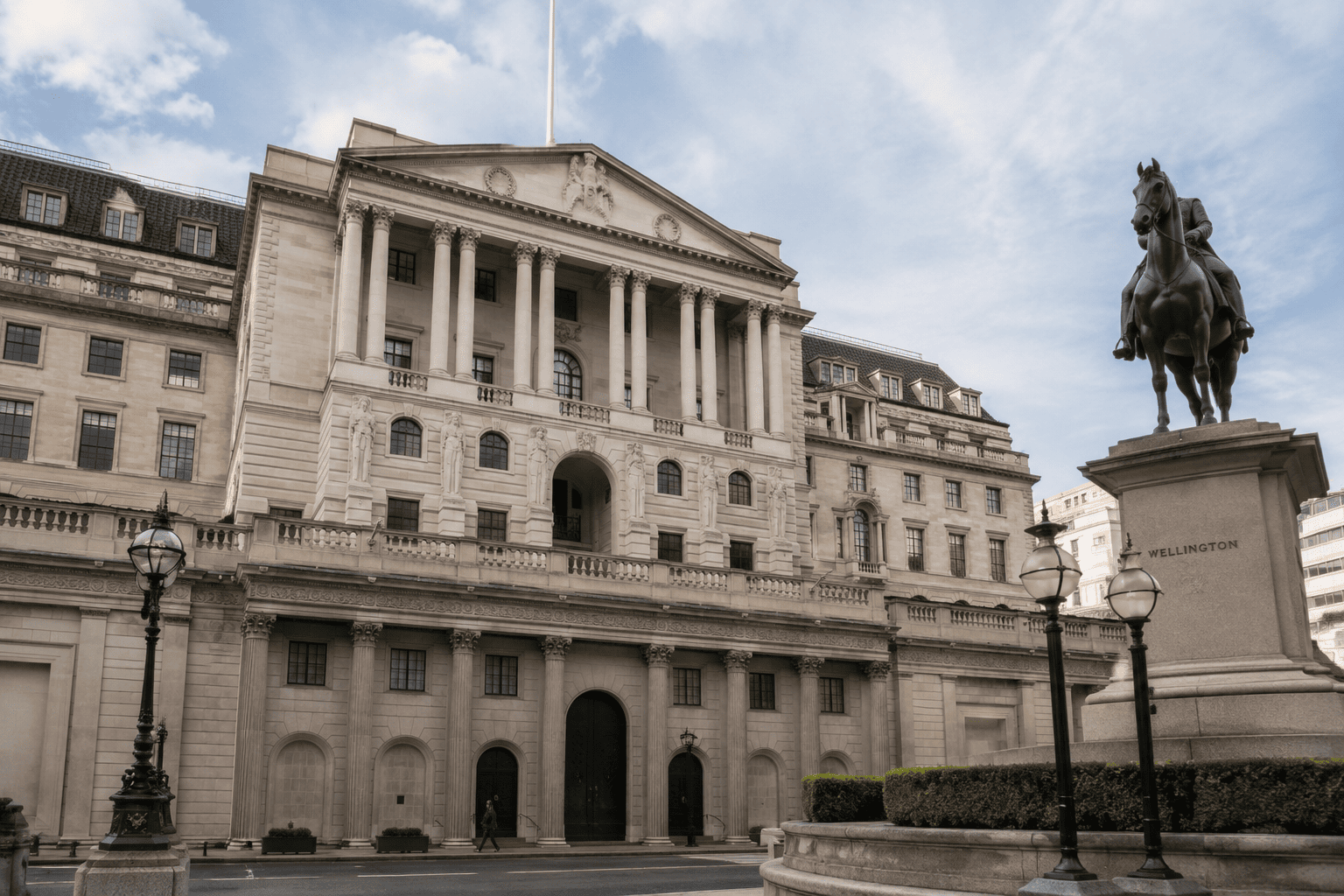
The Bank of England (BoE) voted 6-3 to keep its benchmark Bank Rate at 3.75% on Thursday, as policymakers balanced easing domestic inflation against renewed uncertainty from the Middle East conflict. Three members of the Monetary Policy Committee (MPC) supported a 25-basis-point increase to 4%, highlighting deepening divisions over how to respond to rising geopolitical risks.
Governor Andrew Bailey said the escalation in tensions involving Iran has made the near-term inflation outlook harder to predict, even as underlying domestic price pressures continue to moderate. Similar concerns about Iran have also influenced other central banks' recent decisions.
Energy Prices Remain a Key Risk
Bailey warned that the conflict in the Middle East has introduced fresh uncertainty through volatile oil and gas prices. "The possibility of repeated resumptions of conflict, combined with lower than usual European gas stock levels and a fall in global refining output, mean that risks to energy prices lie to the upside," he said. However, he noted that broader inflation trends in the UK remain encouraging, with underlying disinflation still in train.
Crude oil has climbed back above $90 a barrel this week as tensions between Washington and Tehran intensified, raising concerns that higher fuel costs could feed into inflation across advanced economies. The MPC acknowledged that energy prices have already risen in response to events in the Middle East.
Three Members Push for Another Rate Increase
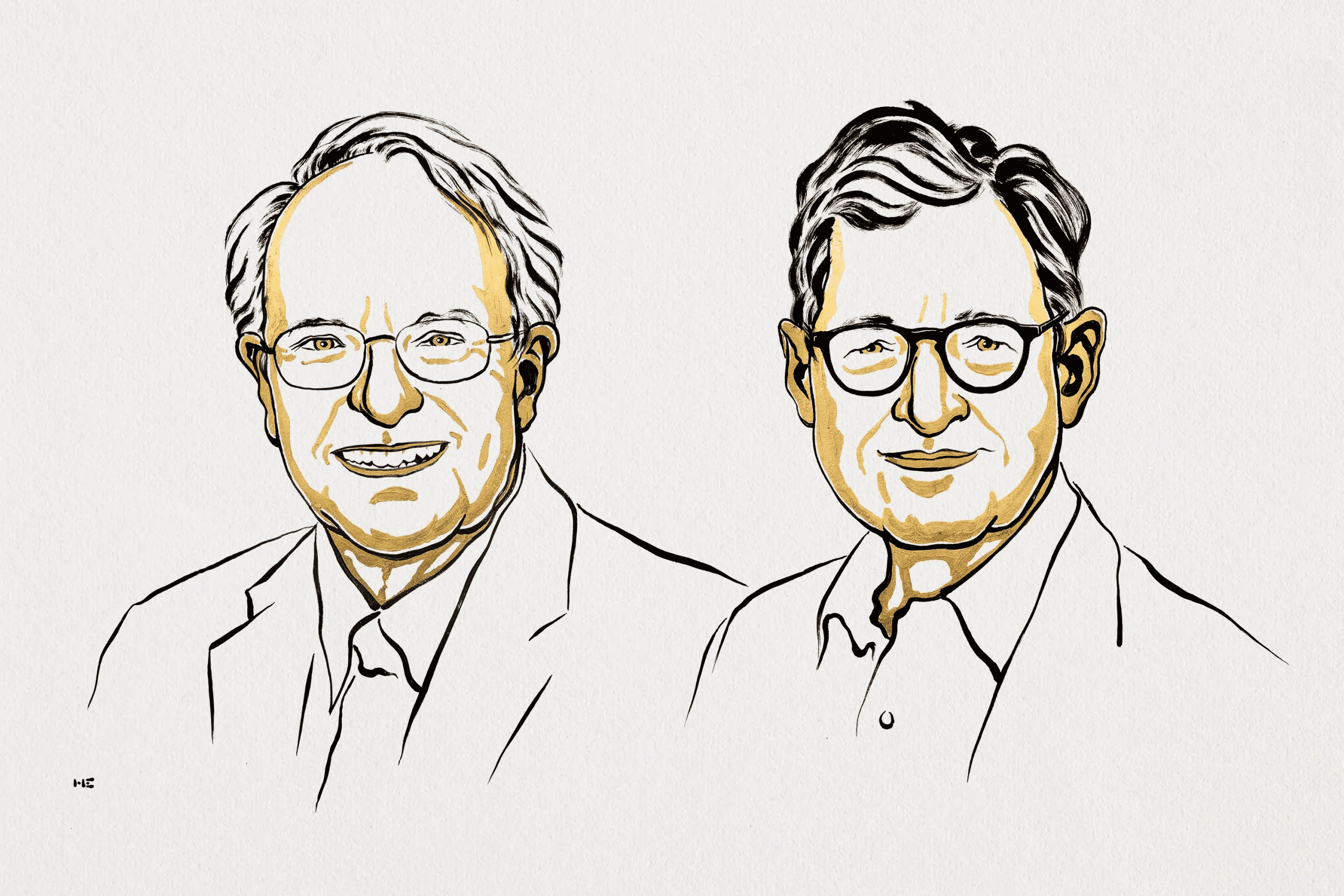
Chief Economist Huw Pill joined external members Megan Greene and Catherine L. Mann in voting for a quarter-point increase, arguing that inflation risks remain sufficiently elevated to justify tighter policy. The split vote reflects an increasingly difficult balancing act for the BoE, as it weighs moderating domestic inflation against the threat of renewed energy-driven price pressures.
The committee stressed that monetary policy cannot directly influence energy prices but is set to ensure temporary shocks do not become embedded in inflation expectations. "The appropriate policy response will depend on how long elevated energy prices persist and how broadly they affect financial conditions, wages, and consumer prices," the MPC said.
Inflation Easing but Expected to Rise Again
Recent data offered some reassurance: consumer price inflation slowed to 2.6% in June from 3.8% a year earlier, continuing its gradual decline toward the BoE's 2% target. However, policymakers expect inflation to increase later this year as higher energy costs pass through the economy. The committee acknowledged that prolonged energy price increases could eventually trigger second-round effects through wages and broader price-setting, though there is little evidence of such effects so far.
Markets had largely anticipated Thursday's decision, with investors assigning more than a 90% probability to rates remaining unchanged. Still, some pricing suggests borrowing costs could reach 4% before year-end if inflation proves persistent. Ed Hutchings, head of rates at Aviva Investors, said the divided vote illustrates how uncertain the policy outlook has become. "Investor attention and the committee's focus is likely to be on risks around the outlook ahead, and particularly so from an inflation standpoint," he noted.
The BoE's decision comes amid a broader context of central banks grappling with similar challenges. The Federal Reserve's recent 9-3 vote to hold rates also reflected internal divisions over inflation risks.
Prime Minister Andy Burnham announced a package of cost-of-living measures on the same day, including the removal of VAT on electricity bills from October, aimed at easing pressure on households and businesses.
This article is for informational purposes only and does not constitute financial advice.