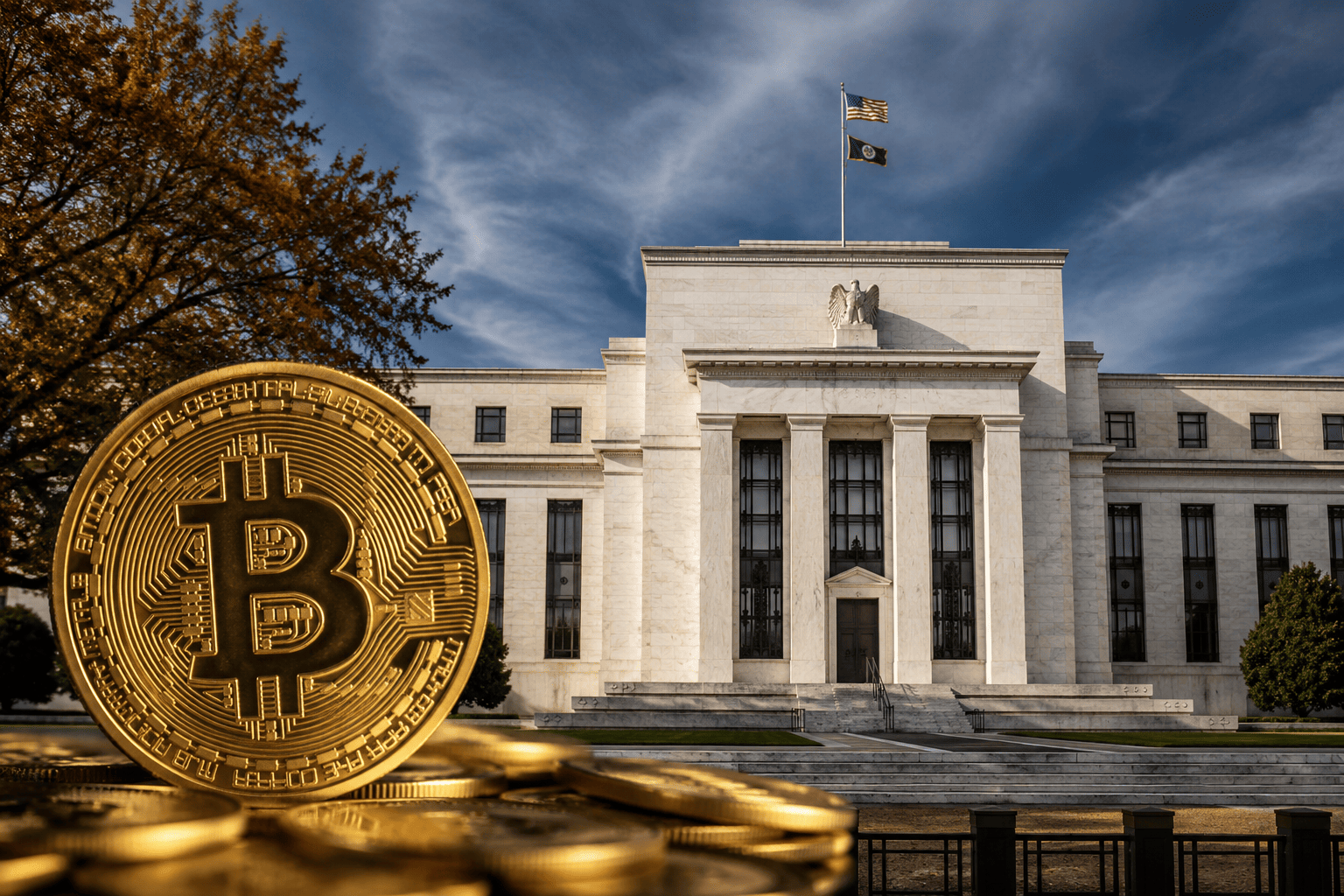
Bitcoin is maintaining its position above the $65,000 threshold as market focus shifts from geopolitical tensions to the Federal Reserve's upcoming interest rate decision and monetary policy guidance. The leading cryptocurrency has recovered from recent volatility, trading in a narrow range as investors await clarity on the economic outlook.
Bitcoin stabilizes after recovery
After dipping below $65,000 earlier this month, Bitcoin has rebounded and is currently trading around $65,300, up approximately 1% in the past 24 hours. The recovery extends gains of about 2% over the past week and nearly 4% over the last two weeks, with a more than 8% increase over the past 30 days. Despite this positive momentum, Bitcoin remains well below its 2025 record high of over $126,000, and the asset is still down roughly 25% year-to-date, indicating a period of consolidation rather than a full return to previous peaks.

The broader recovery, which has also lifted other cryptocurrencies like Ethereum and XRP, has been supported by improved risk appetite across global markets. Easing tensions between the United States and Iran reduced concerns over energy supply disruptions, leading to a roughly 5% drop in oil prices and alleviating some inflation fears. This encouraged investors to return to higher-risk assets, including digital currencies.
Federal Reserve decision in focus
With geopolitical headlines fading, attention has turned to the Federal Open Market Committee meeting. Markets widely expect policymakers to leave interest rates unchanged, but the key focus is on Chair Kevin Warsh's comments regarding inflation, economic growth, and the future path of monetary policy. Any signals that rates could remain elevated for longer may dampen demand for risk assets, including Bitcoin. Conversely, hints that inflation is moving closer to the Fed's target or that policy easing could be considered later this year could provide additional support.
The Fed meeting coincides with a busy week for financial markets, including earnings reports from major US technology companies. Given the increasing correlation between cryptocurrencies and broader risk assets, developments in equity markets could also influence Bitcoin's short-term direction. For context, the Nikkei 225 is also eyeing key data and the Fed decision this week, highlighting the global significance of the event.
Bitcoin ETF outflows signal caution
Another closely watched indicator is the performance of US spot Bitcoin exchange-traded funds. After seven consecutive sessions of net inflows, these ETFs recorded over $465 million in combined net outflows over two trading sessions, according to Coinglass data. This shift suggests that some institutional investors are reducing exposure ahead of the Fed meeting rather than making aggressive directional bets.
Despite these outflows, Bitcoin has held near $65,000, indicating that selling pressure has been absorbed by broader market demand. The resilience of the price level suggests that while institutional flows reflect caution, retail and other investor segments remain active. The recent price action near $65,000 has also been influenced by Treasury sales, mining concerns, and options expiry, adding layers to the market dynamics.
Outlook and key levels
As the market awaits the Fed's decision, Bitcoin's ability to hold above $65,000 will be a critical test. A dovish tone from the Fed could propel the cryptocurrency toward higher resistance levels, while a hawkish stance might trigger a retest of support. The interplay between ETF flows, macroeconomic data, and risk sentiment will continue to shape the near-term trajectory.
This article is for informational purposes only and does not constitute financial advice.