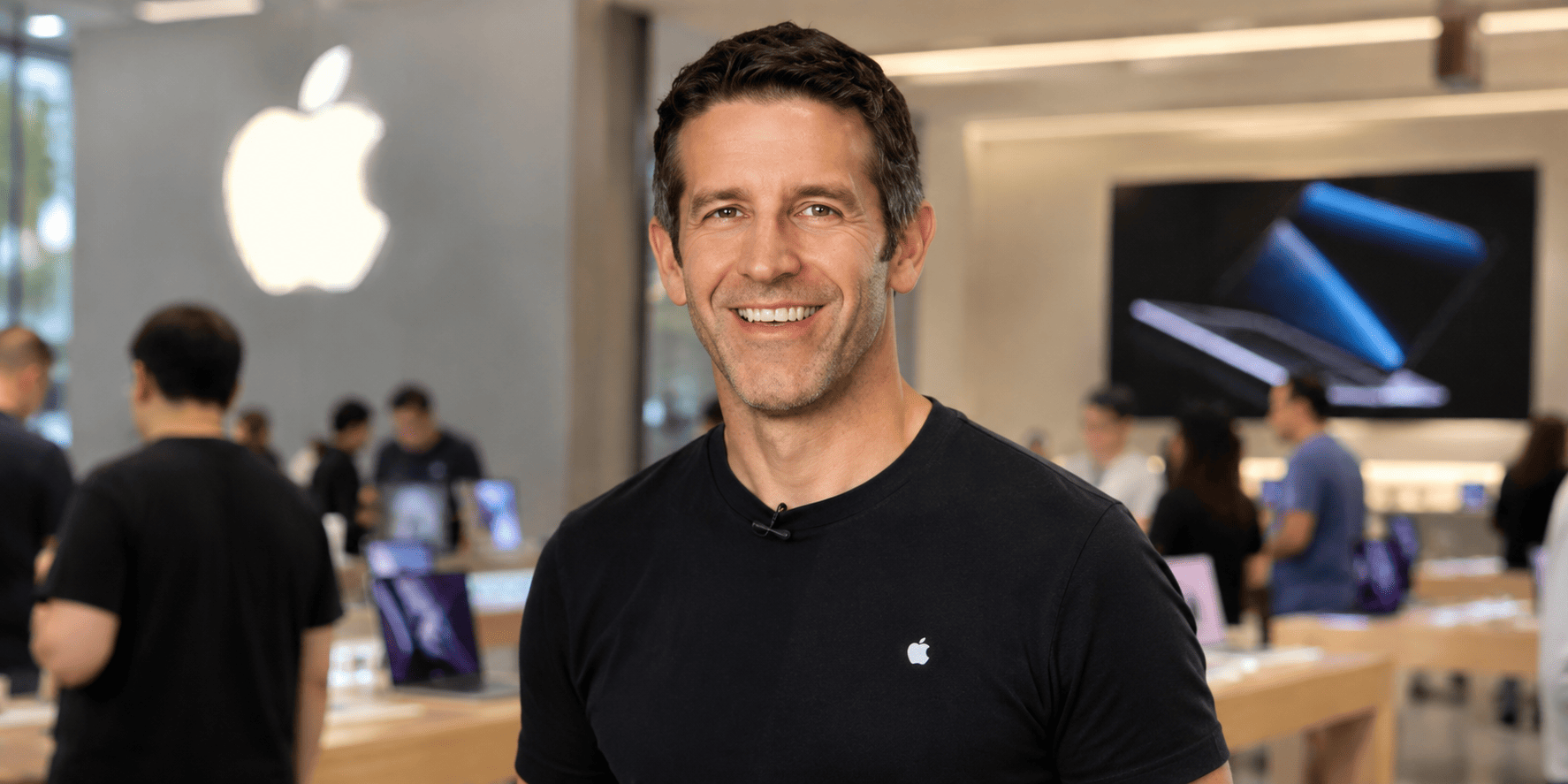
Apple's quarterly results, due after the market close on Monday, will mark the first earnings call under CEO John Ternus, who took over from Tim Cook in September. Investors are looking for signals on product strategy, artificial intelligence ambitions, and how the company plans to navigate rising memory-chip costs.
The new CEO's debut report follows a wave of product launches, including the iPhone Duo, Apple's first foldable smartphone, a smart home hub, and touchscreen MacBook laptops. Apple has also raised prices on several products as memory costs climb, driven by surging demand for AI computing infrastructure.
Apple shares (AAPL) slipped 1.39% on Monday ahead of the results, reflecting investor caution.
Revenue and iPhone Sales in Focus
Analysts expect Apple to report revenue of $113.39 billion for the fiscal fourth quarter (July–September), according to LSEG data, marking an 11% increase year-over-year. Net profit is projected to rise about 6% to $29.04 billion, but higher memory-chip costs are expected to weigh on profit growth, making this the weakest quarterly profit expansion in six quarters.
iPhone revenue is forecast to climb roughly 15% to $56.54 billion, a slowdown from the 22% growth seen in the previous quarter. The results will include only nine days of sales for the new iPhone 18 Pro models. Meanwhile, Apple's services business is expected to generate $31.56 billion in revenue, up nearly 10% year-over-year—its slowest growth in more than three years.
D.A. Davidson analyst Gil Luria described the quarter as "a tricky quarter for Apple with some big cross-currents," as reported by MarketWatch.
Ternus Faces Questions on AI and Product Strategy
Investors are likely to press Ternus on Apple's AI strategy and how the technology will be integrated into future hardware. Apple has taken a more measured approach to AI spending compared to rivals like Meta, Microsoft, and Alphabet. Its shares have gained about 27% this year, outperforming several major tech companies as investors reassess the costs of building AI infrastructure.
Morningstar analyst William Kerwin expects Ternus to emphasize recent product launches, given his hardware engineering background. Investors will also seek updates on the adoption of the revamped Siri and whether Apple can monetize third-party AI agents distributed through its App Store. Kerwin noted that Apple's strategy of embedding AI into its products, rather than competing in the model-development spending race, could be a strength—but the company needs to be "good enough in AI to defend the iPhone ecosystem."
Foldable iPhone and Rising Prices Add Uncertainty
The iPhone Duo could be a key growth driver in the holiday quarter, but its launch has faced challenges, with customers reporting cracks and lines along the inner display's central fold. Apple has offered replacements for affected devices. Despite these issues, IDC analyst Nabila Popal expects demand to continue exceeding supply. Bank of America estimates average delivery waits of 79 days, with shipments extending into January.
Apple's recent price increases could also test consumer demand. The company has raised prices on some iPhone models by $100, and the MacBook Air's starting price has climbed from $999 to $1,299 over the past year. Investors will look for Ternus to explain how Apple plans to balance faster product launches, higher production costs, and its AI strategy while sustaining demand across hardware and services.
This article is for informational purposes only and does not constitute financial advice.