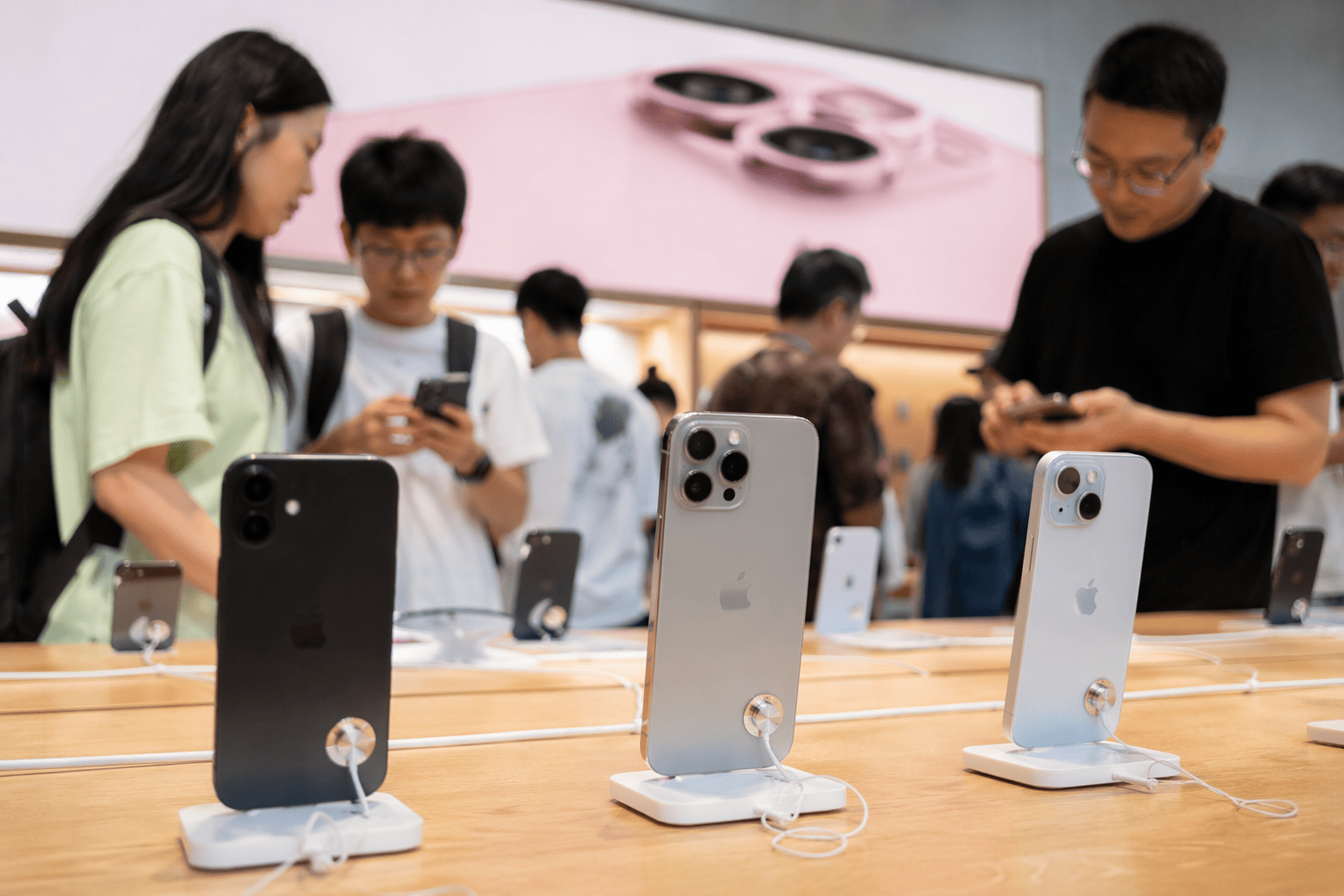
Apple Defies China Smartphone Downturn with Strong iPhone Growth
Apple Inc. posted a significant 20% year-over-year increase in iPhone shipments within China for the first quarter, according to data from Counterpoint Research. This robust performance occurred against the backdrop of a contracting overall smartphone market in the world's largest mobile device arena.
Market Contraction Amid Rising Costs
The total smartphone market in China declined by approximately 4% during the same period. Industry analysts attribute the broader slowdown to persistent supply chain disruptions and notably higher memory chip prices, which have elevated production costs for manufacturers across the board. In response, many vendors, particularly in the budget segment, have raised device prices to protect their margins, a move that has further dampened consumer demand.

Value Perception Drives Apple's Outperformance
Analysts suggest Apple's growth stems from a sharpened value proposition in the eyes of Chinese consumers. "As most rivals raise prices, Apple stands out for value, with Chinese consumers knowing its products last at least three years," said Ivan Lam, a senior analyst at Counterpoint Research. This perception of product durability and longevity appears to have insulated the company from the softer overall market demand, allowing it to gain market share.
Competitive Landscape Shows Divergence
The competitive dynamics in the quarter were mixed. Huawei retained its market leadership with a 20% share, recording a modest 2% shipment increase bolstered by demand across its premium and budget portfolios, including devices like the Enjoy 90 series. Apple followed closely, capturing a 19% market share after its strong growth. Other major players faced challenges: Xiaomi's shipments fell sharply by 35%, which analysts linked to a high base of comparison from aggressive promotions a year earlier. Oppo and Honor shipments declined by 5% and 3%, respectively, while Vivo managed a 2% increase, aided by Lunar New Year holiday sales.
The trend of rising prices for budget devices is expected to continue, posing further headwinds for market recovery in the near term. Analysts warn of additional challenges for the sector in the coming quarter.
Geopolitical Context and Domestic Chip Expansion
The smartphone market's cost pressures are unfolding within a larger geopolitical context surrounding semiconductor technology. China is actively working to reduce its reliance on foreign chips amid tightening U.S. export controls. In a significant move for domestic supply, Yangtze Memory Technologies is planning a major expansion that could more than double its output capacity.
The company is preparing to build two new factories alongside a third facility nearing completion in Wuhan. Each new plant is projected to produce 100,000 wafers per month at full capacity. The third factory is expected to begin operations later this year and could reach a monthly capacity of 50,000 wafers by 2027. This expansion highlights China's strategic push to bolster its domestic semiconductor industry, which could alter long-term supply dynamics for device manufacturers. For broader economic context, see our analysis on China's Q1 GDP performance.
The developments come as a cross-party group of U.S. lawmakers has proposed stricter export controls on chipmaking equipment destined for China, underscoring the ongoing technological tensions between the two nations. These factors collectively shape the environment in which global tech firms like Apple operate. For related market movements, readers may review our coverage on recent global equity performance.
This article is for informational purposes only and does not constitute financial advice.