Apple Inc. (NASDAQ:AAPL) briefly reclaimed the title of the world's most valuable company this week, edging past Nvidia as Wall Street reassesses which firms are best positioned to profit from the artificial intelligence boom. The moment, though potentially fleeting, underscores a growing belief that the AI trade is expanding beyond data-center builders and toward companies that can deliver AI directly to consumers.
Apple's market capitalization touched approximately $4.88 trillion before Nvidia's shares slipped 3.5%, reversing the order. The shift captures a change in investor thinking: after months of heavy capital spending by hyperscalers like Microsoft, Alphabet, Amazon, and Meta, some market participants are questioning how quickly those massive budgets will generate returns. Apple, by contrast, has taken a more measured approach.

Apple's Restraint Becomes a Competitive Advantage
For much of the generative AI cycle, Apple was viewed as a laggard. While rivals poured billions into proprietary models, chips, and data centers, the iPhone maker held back. That caution, once seen as a weakness, now looks like a strategic advantage. Apple can adopt proven AI models, integrate them into its devices, and monetize through services, hardware upgrades, and its ecosystem—without the pressure to justify enormous infrastructure outlays.
“Apple was seen as a laggard in the AI race because it wasn’t spending to develop models, but now sentiment has changed,” said Toni Meadows, head of investment at BRI Wealth Management. Meadows noted that Apple is less exposed to capital-intensive development and better positioned to profit from AI through its installed base.
Distribution Power: 2.5 Billion Devices
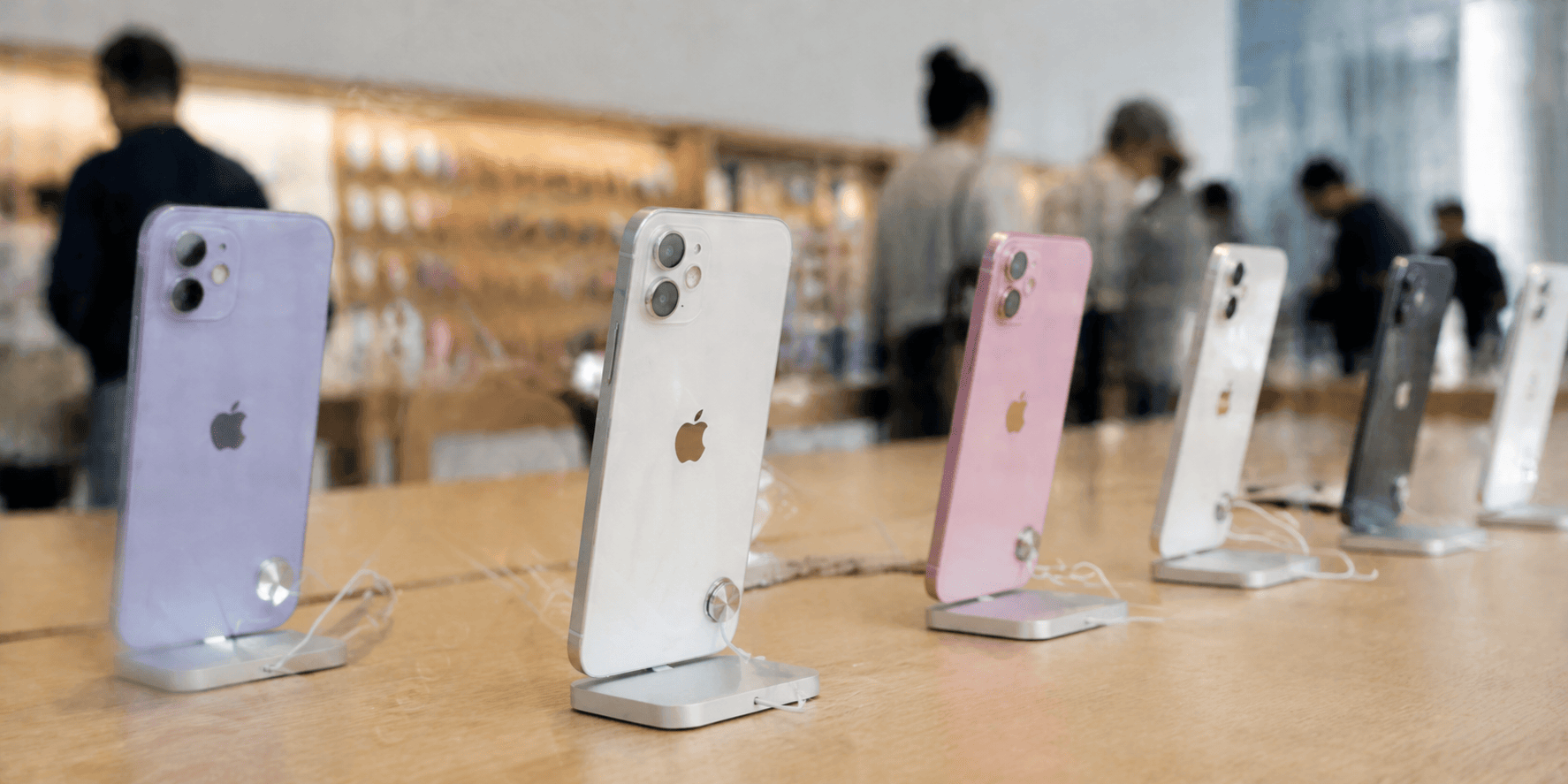
Apple's core advantage is distribution. The company disclosed in January that its active installed base surpassed 2.5 billion devices, a consumer network unmatched in the technology sector. This scale provides a ready market for AI features, from an upgraded Siri to enhanced photo editing and productivity tools.
HSBC analyst Nicolas Cote-Colisson upgraded Apple to Buy from Hold and raised his price target to $366 from $260, describing the company as at an “operational turning point.” He argued that restrained spending and a strong product pipeline could support a multiyear AI cycle. Citi analyst Asiya Merchant also raised her target to $365 and retained a Buy rating, citing opportunities from Apple Intelligence, premium devices, and market-share gains.
The opportunity differs fundamentally from Nvidia's. Nvidia profits when companies add computing capacity; Apple benefits when customers replace devices, subscribe to more services, or stay within its ecosystem. A more capable Siri is central to this thesis, as it could bring generative AI to mainstream users without requiring a separate chatbot.
Apple Broadens the AI Trade, Doesn't Replace Nvidia
Apple's brief market-cap lead is symbolically important but does not signal the end of Nvidia's dominance. The two companies occupy different parts of the AI value chain: Nvidia supplies the computing power, while Apple provides the consumer interface. Nvidia remains essential to AI infrastructure and could easily reclaim the top spot.
Apple still faces significant tests. Its revamped Siri must work reliably, reach key markets, and convert distribution into measurable revenue. A large installed base offers opportunity, not guaranteed monetization. Valuation is another risk: Apple's rally has lifted expectations, leaving shares vulnerable if device demand or services growth disappoints.
For broader context, the shift in investor focus is part of a larger narrative around AI monetization. As Wall Street demands proof of AI returns on $725 billion in capex, Apple's consumer-centric approach offers a contrasting thesis. Meanwhile, recent market moves have highlighted the volatility in AI-related stocks.
Ultimately, Apple's rise reflects a broadening of the AI trade rather than a replacement of Nvidia. Investors are now weighing which companies can turn AI into sustainable revenue growth—and Apple's distribution network gives it a powerful argument.
This article is for informational purposes only and does not constitute financial advice.