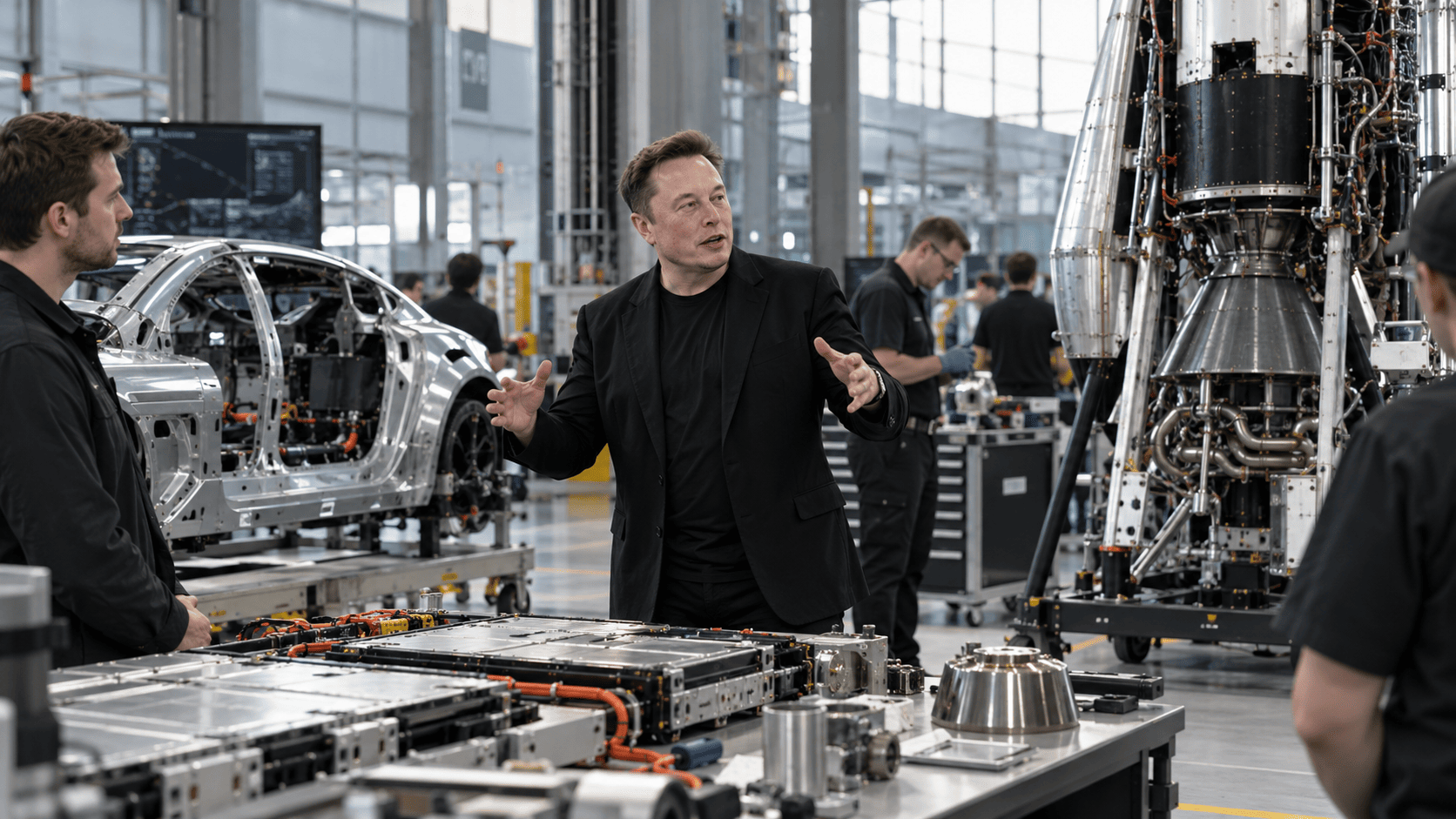
Elon Musk's recent hint at a potential Tesla-SpaceX merger has sparked investor interest, but former Tesla director Steve Westly warns of three substantial obstacles between the strategic appeal and a completed transaction: valuation, regulatory approval, and Tesla's China business.
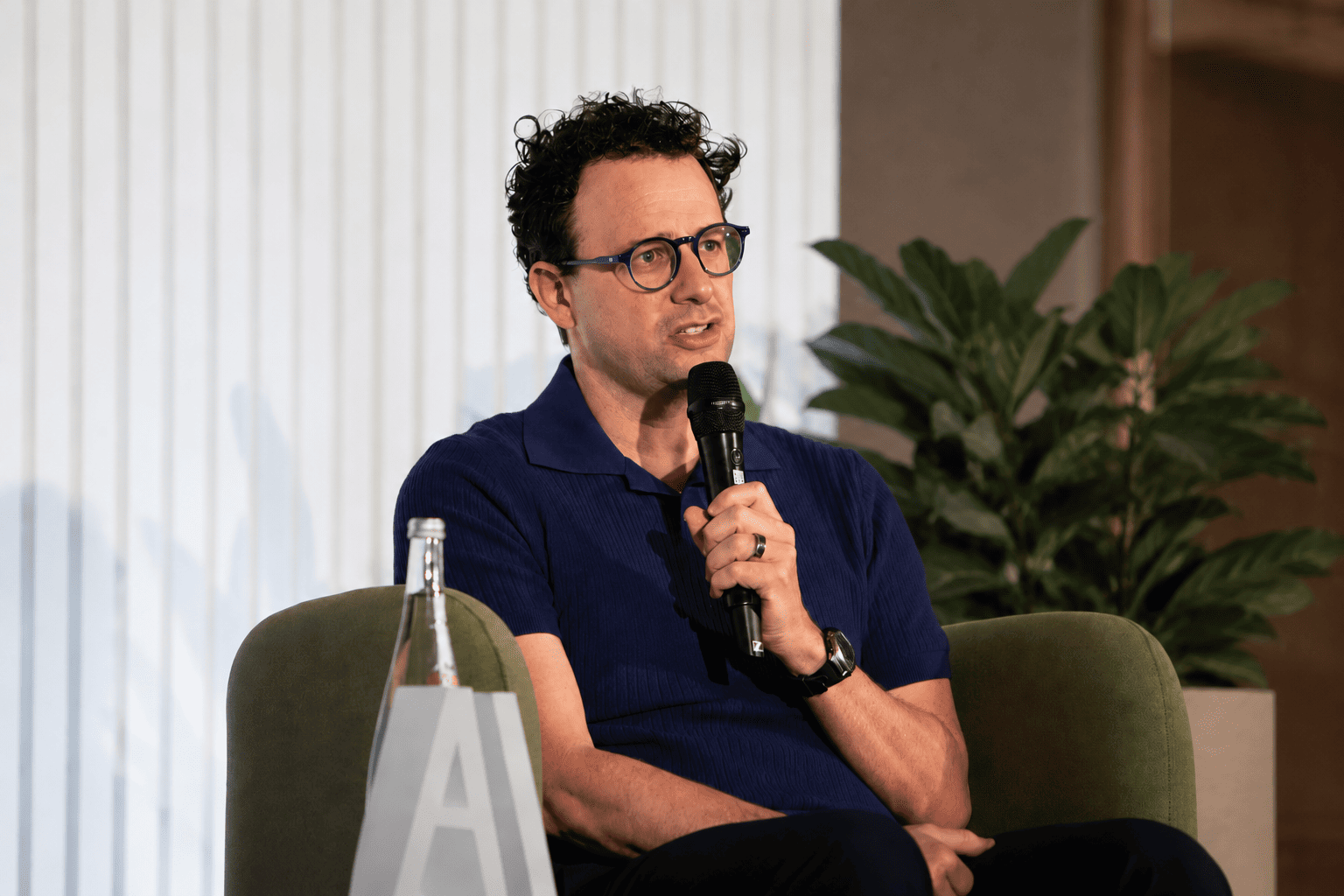
Speaking on CNBC, Westly predicted the companies would move quickly toward a combination, noting that both have formed special committees to explore a deal. However, Musk has cautioned that a merger isn't certain, leaving investors to weigh the potential terms carefully.
Valuation: A Complex Equation
Westly sees a clear rationale for the merger: combining SpaceX's AI compute with Tesla's cars, energy, and robotics. Yet, translating that vision into an exchange ratio presents a harder task. Shareholders would need to assess each business's current contribution and the potential of technologies whose commercial viability remains uncertain.
An overly generous valuation for either company could transfer substantial value away from the other's investors. The investment question extends beyond whether the businesses fit together; it's whether shareholders receive adequate compensation for what they contribute. Even attractive synergies can become an expensive proposition when the purchase price already assumes successful execution.
Regulatory Scrutiny and SEC Approval
Westly explicitly named SEC approval among the hurdles, pointing to a transaction where Musk's interests overlap on both sides of the negotiating table. The special committees will need to demonstrate that their decisions reflect shareholders' interests, not just Musk's vision.
Reuters reported on October 22nd that Musk's public endorsement had unsettled some people involved in the discussions, with concerns that his comments could invite additional scrutiny and delay the process. Investors will need clear disclosure of financial assumptions, potential conflicts, and how the committees assessed alternatives.
Tesla China Complicates the Deal
Westly also highlighted the challenge of Tesla's China operations. Tesla's manufacturing in Shanghai would sit alongside SpaceX's sensitive US defense activities in a combined group. Reuters reported earlier today that national security concerns, along with questions over data and technology sharing, could complicate scrutiny on both sides of the Pacific.
Potential responses include separating operations or establishing protective barriers, though such arrangements would need to satisfy relevant authorities. For shareholders, any required restructuring could change the economics of the merger, reducing operational flexibility and weakening expected benefits.
China is more than a potential delay; the measures needed to secure approval could reshape the business investors ultimately own and determine whether the combination delivers the value its supporters envisage.
This article is for informational purposes only and does not constitute financial advice.