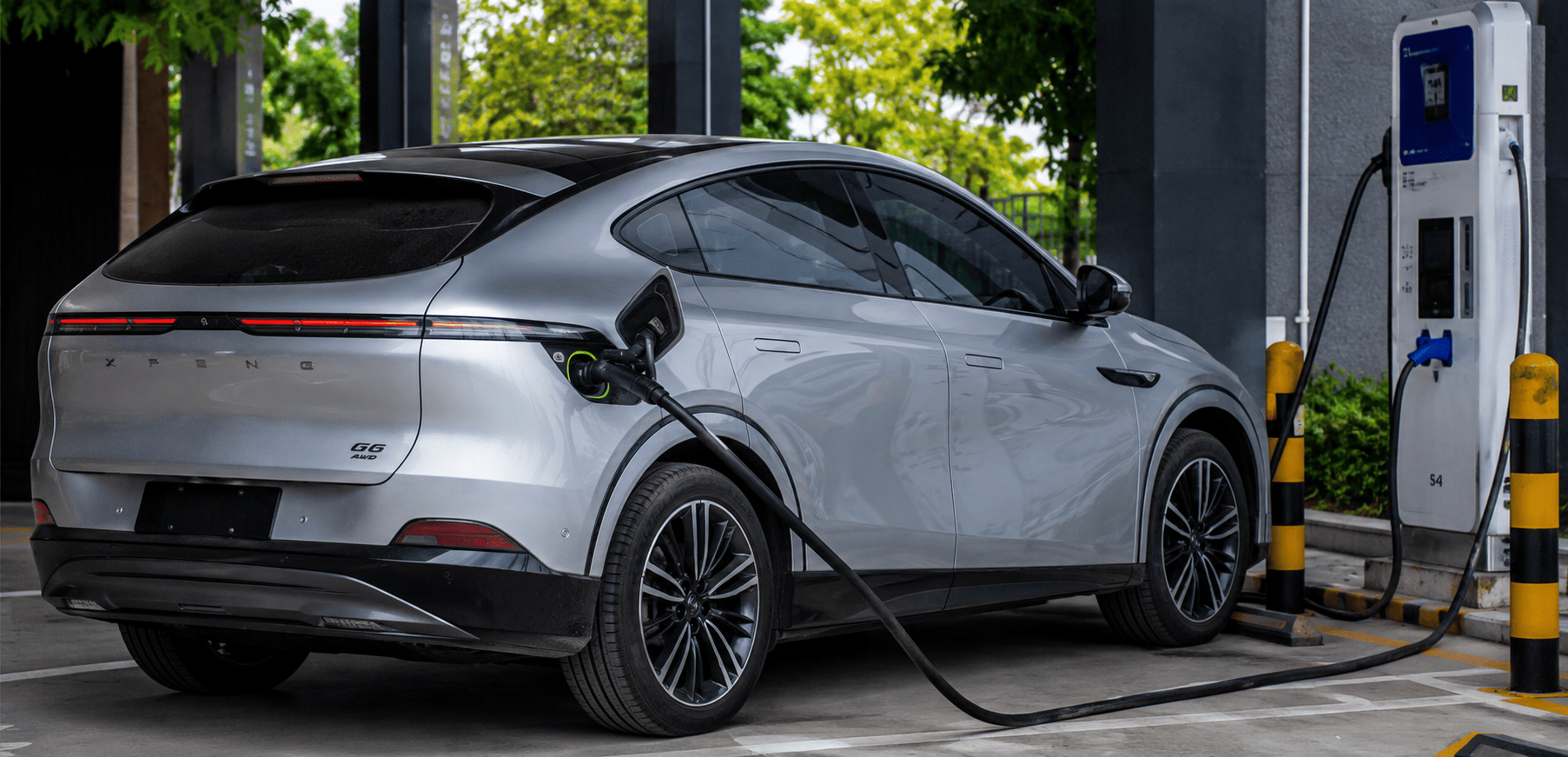
Xpeng (XPEV) shares slipped on Monday after the Chinese electric vehicle maker reported weaker-than-expected fiscal second-quarter results. While the headline numbers missed estimates, the earnings release contained notable bright spots—just not in the core EV business.
The standout positive was the $900 million raised by Xpeng's robotics unit in its first funding round, led by IDG Capital with participation from Gaorong Ventures and strategic investors Alibaba and Tencent. The round valued the robotics business at over $6.3 billion post-money, and management called it the largest single-round private funding deal in China's embodied-AI industry.
This development underscores Xpeng's pivot toward positioning itself as a Physical AI company rather than just an automaker. The proceeds will fund humanoid-robot hardware and software development, AI model training, data generation, manufacturing infrastructure, and international commercialization. Xpeng plans to produce 1,000 IRON humanoid robots per month by the end of 2026, with initial deployments in retail and industrial settings before broader commercial sales in 2027.
Beyond robotics, Xpeng's services and other businesses revenue surged 94% year-over-year to approximately RMB2.70 billion ($400 million), driven by technical R&D services for an automaker and stronger parts and accessories sales. This helped lift overall gross margin by 340 basis points to 20.7% in Q2.
However, investors focused on the core EV metrics, which were less convincing. Vehicle deliveries reached 103,295 in Q2, up 64.8% sequentially but only 0.1% year-over-year. Vehicle sales revenue rose just 1% annually to RMB17.05 billion, while vehicle margin contracted to 12.1% from 14.3% a year earlier, which management attributed to a product-generation transition.
The bottom line also deteriorated: net loss widened to RMB1.34 billion from RMB480 million a year earlier, and adjusted loss per ADS came in at RMB1.29 versus the FactSet consensus of RMB0.91. More concerning was the Q3 guidance, which projected revenue of RMB21.7 billion to RMB23.4 billion—well below the RMB26.69 billion consensus—and deliveries of about 118,000, implying a year-over-year change between -0.87% and +4.3%.
This suggests Xpeng is growing from a weak Q1 base, but investors are not yet seeing evidence of accelerating underlying demand or improving vehicle economics. The stock has fallen nearly 50% from its year-to-date high, reflecting the market's skepticism.
Xpeng entered the second half with RMB40.48 billion in cash and equivalents, and it has a pipeline of new models. Executives expect recent launches to support future volume and mix. The robotics business could become a valuable standalone asset, and services and Physical AI could diversify revenue streams.
Yet, until vehicle margins recover and guidance points to stronger year-over-year growth, the Street is likely to treat these opportunities as promising rather than proven. Monday's reaction shows that investors are demanding evidence that Xpeng's ambitious future is beginning to improve its core EV business today.
This article is for informational purposes only and does not constitute financial advice.

