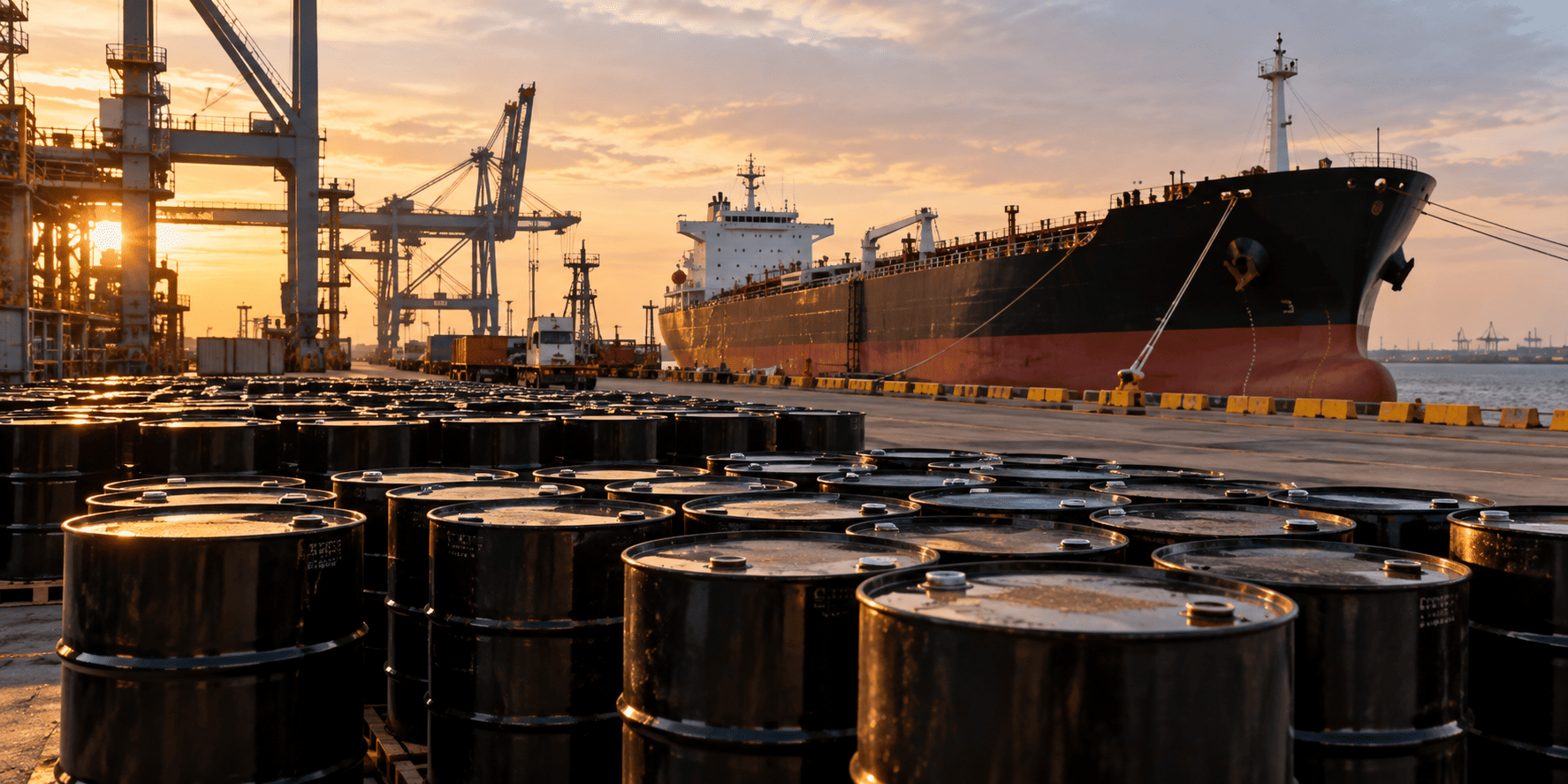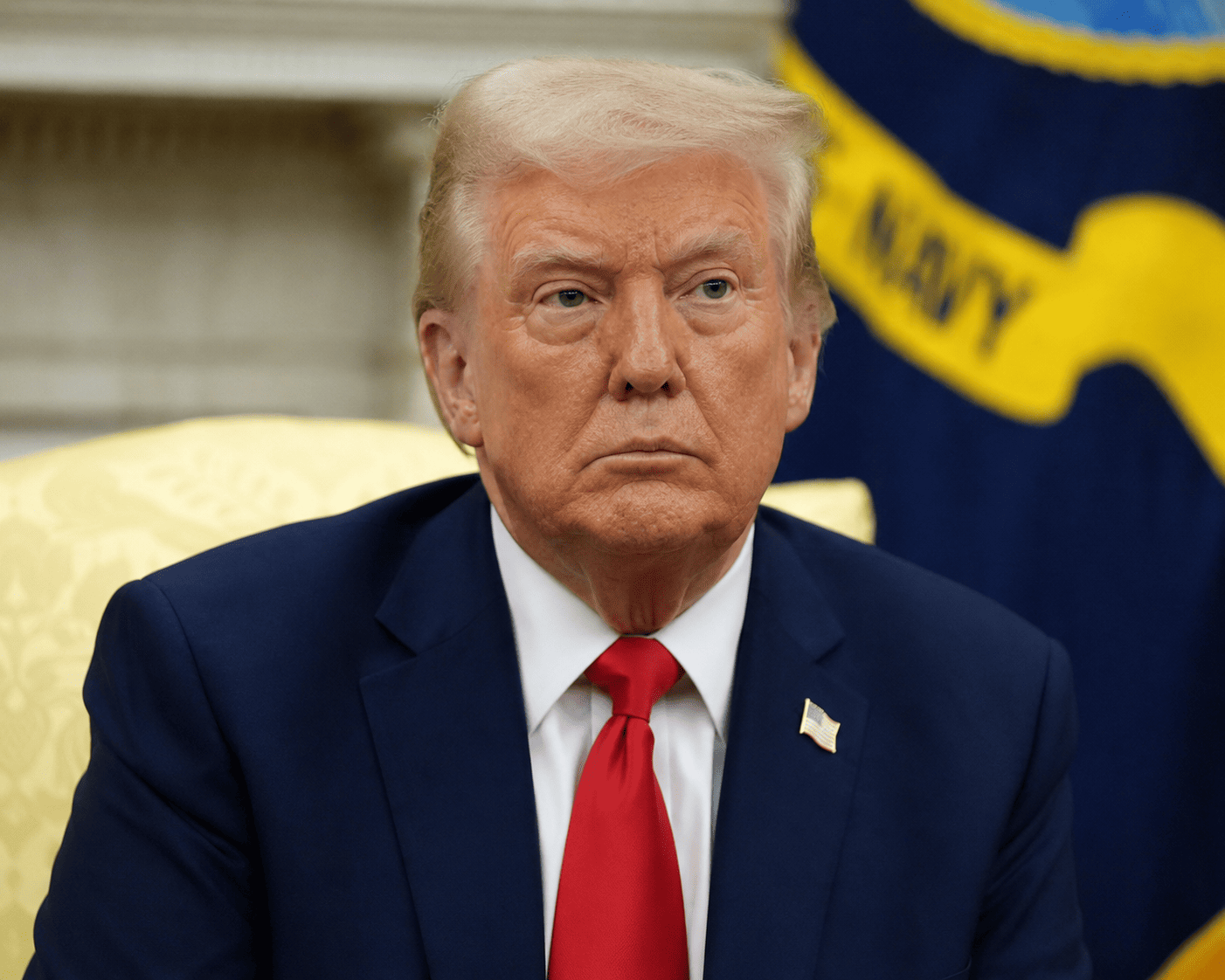
The Trump administration is exploring a potentially transformative expansion of US involvement in Venezuela's oil sector, with reports indicating Washington is seeking long-term access or direct ownership in oilfields holding roughly 90 billion barrels of proven reserves. The discussions, first reported by The Wall Street Journal and later confirmed by Reuters and Axios, come months after the administration took a dominant role in Venezuela's affairs following the capture of President Nicolás Maduro in January.
Scope of the proposed deal
According to The Wall Street Journal, US officials are in "advanced talks" with Venezuelan counterparts over a direct stake in more than a dozen oilfields located in the Orinoco Belt and Lake Maracaibo regions. A source told Reuters that the discussions are "real and being discussed at the highest levels of the US and Venezuelan governments." Axios, citing a US official, noted that the negotiations cover productive fields rather than the entirety of Venezuela's reserves, which are estimated at 303 billion barrels—the largest in the world, surpassing Saudi Arabia's 268 billion and Iran's 208 billion.
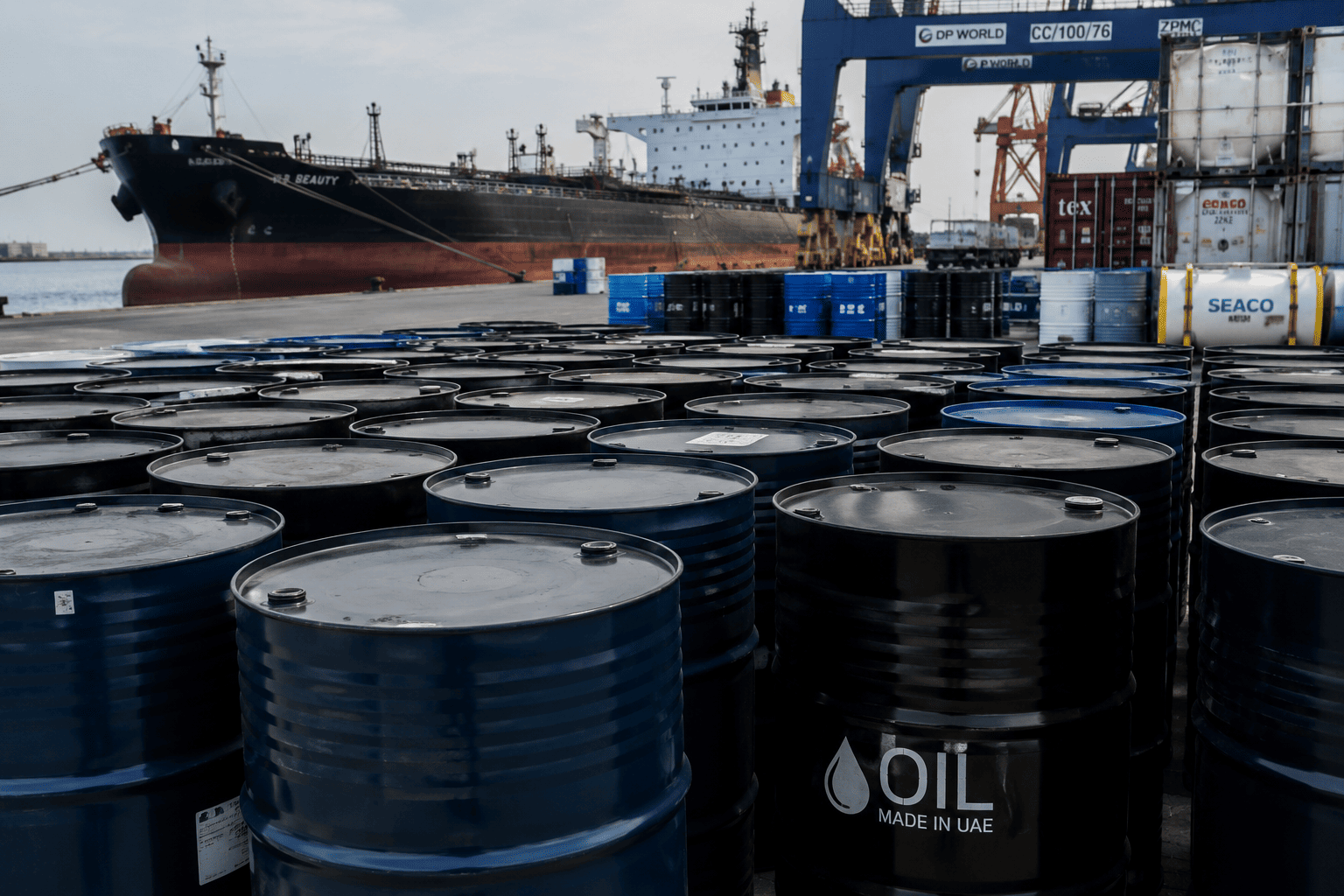
Under the potential arrangement, Venezuela would receive higher oil revenues as private companies, including US firms, invest in and develop the fields. Bloomberg has separately reported that one proposal under consideration involves a 100-year lease covering several oilfields, underscoring the extraordinary scale of the proposed US involvement.
US energy security and market context
The timing is sensitive for global energy markets. The US faces volatility linked to the war in Iran and Tehran's efforts to disrupt shipping through the Strait of Hormuz. Greater access to Venezuelan crude could provide Washington with an alternative source and reduce exposure to supply disruptions. The US Strategic Petroleum Reserve is also at a 40-year low, adding urgency to securing new supply sources.
Since Maduro's capture, Washington has eased sanctions to allow US companies and oilfield contractors to return to Venezuela. The administration has promised to control sales of Venezuelan crude and hold proceeds in US bank accounts, though it has not disclosed revenue generated so far.
Corporate interest and strategic implications
Chevron Corporation is reportedly nearing a deal to expand its operations to two additional oilfields, with plans to commit billions of dollars, according to The Wall Street Journal. Halliburton Company is also looking to expand its Venezuelan operations. These moves align with the administration's broader foreign-policy approach toward the Western Hemisphere, often described as the "Donroe Doctrine," a play on the Monroe Doctrine.
Axios described a potential agreement as "a legacy-defining moment for President Trump," with one unnamed US official saying, "Calling this deal huge would be an understatement … It is massive." Strategically, increasing US control over Venezuela's oil could reduce the influence of China and Russia, which have historically maintained close economic ties with Caracas.
Opposition concerns
The prospect of Washington taking a direct stake has sparked anger among parts of Venezuela's opposition. Critics argue that the intervention was meant to bring political change, but the focus now appears to be on securing natural resources. One opposition figure told The Guardian, "It's a land grab – a massive land grab," adding, "This is not the United States of the Marshall plan. This is a rapacious, mafioso United States."
As negotiations continue, the potential deal could significantly alter the global oil landscape, offering the US a strategic foothold in one of the world's most resource-rich nations. Investors are closely watching developments, as any agreement would have far-reaching implications for energy markets and geopolitical dynamics.
This article is for informational purposes only and does not constitute financial advice.