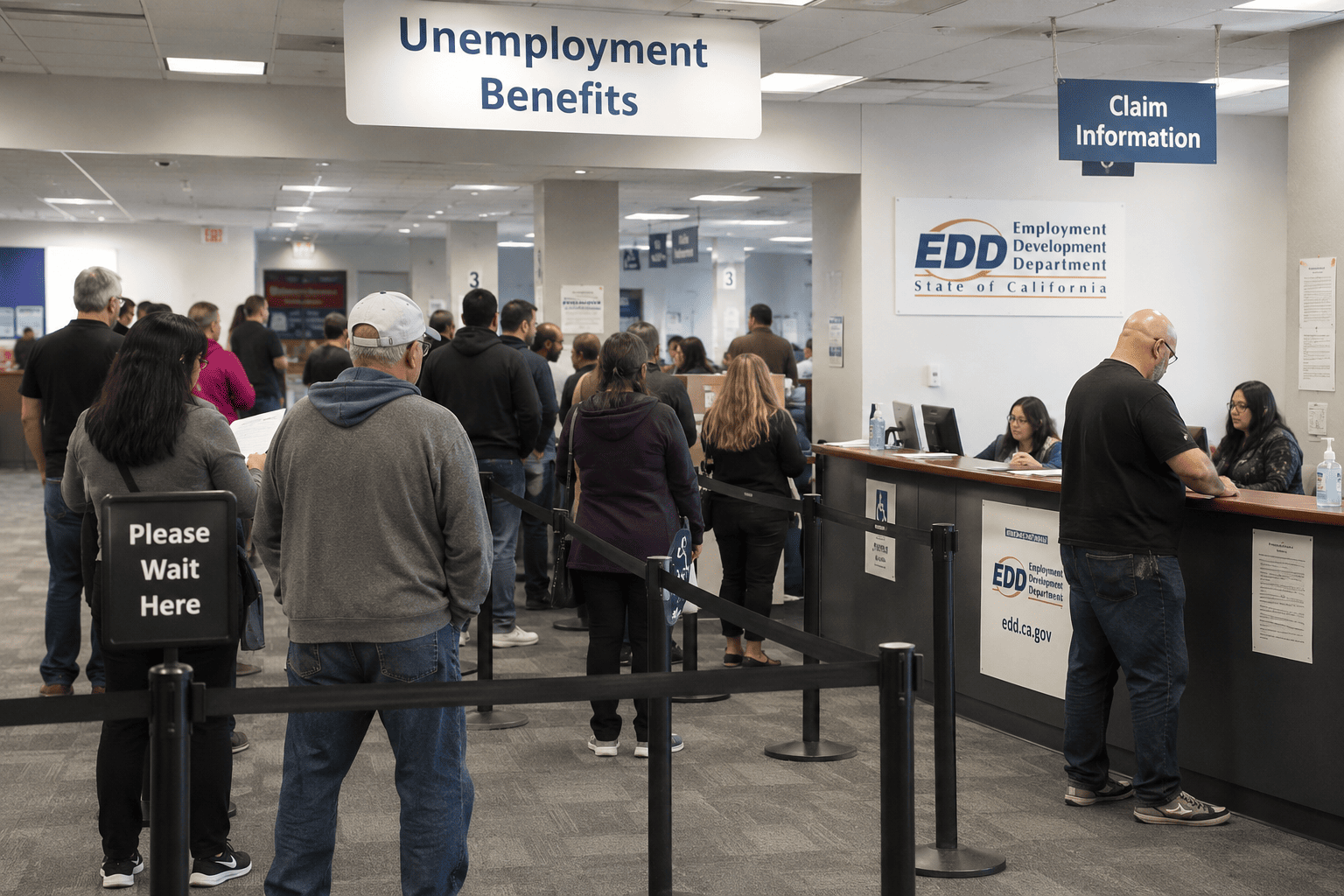
The number of Americans filing new applications for unemployment benefits declined unexpectedly last week, providing fresh evidence of a resilient labor market even as the Federal Reserve tightens monetary policy.
Initial claims for state unemployment benefits fell by 10,000 to a seasonally adjusted 196,000 for the week ended September 12, according to data released Thursday by the Labor Department. Economists polled by Reuters had anticipated a rise to 208,000.

However, the drop may overstate the underlying strength. Claims tend to be volatile around public holidays, and the Labor Day holiday last week complicates seasonal adjustments. Despite this weekly noise, the broader trend suggests the labor market has regained some stability after showing signs of softness through much of the summer.
Continuing claims also decline
The number of Americans continuing to receive unemployment benefits fell by 39,000 to a seasonally adjusted 1.73 million in the week ended September 5, with the prior week's figure revised lower. Continuing claims, which lag initial claims by one week, offer a broader view of how quickly unemployed workers are finding new jobs.
The latest figures arrived during the week the government surveyed employers for September's nonfarm payrolls report. In August, US employers added 162,000 jobs, following a sharp slowdown in job growth over the previous three months. The labor market's relative stability has been underpinned by low layoffs, while businesses remain cautious about expanding hiring amid economic uncertainty.
Fed raises rates as inflation stays elevated
The claims data came a day after the Federal Reserve raised its benchmark interest rate for the first time since July 2023, lifting the target range to 3.75%-4.00%. Fed Chairman Kevin Warsh said recent economic reports showed the economy, including the labor market, remained strong. He pointed to the labor market as "one basic sign of strength" and noted policymakers believed the unemployment rate was "basically running consistent with full employment."
However, Warsh acknowledged that inflation remains above the central bank's 2% target and that tensions in the Middle East are adding to the policy challenge. "All three of those things lend themselves to a firm unanimous decision today," he said. During a news conference, Warsh stressed that inflation had been "too high ... for too long," adding, "We must be confident that underlying inflation is moving to our objective clearly and at sufficient speed. Today, the FOMC decided that this standard has not been satisfied."
Labor market remains key for policy
The latest claims figures highlight the contrast facing policymakers: layoffs remain relatively contained, but businesses are reluctant to expand hiring amid inflationary pressures and economic uncertainty. Economists have also pointed to higher oil prices linked to the US-Israeli conflict with Iran as another source of uncertainty, potentially adding to inflation pressures.
Persistent labor-market strength could therefore remain an important consideration for the Federal Reserve as it weighs further monetary tightening against the risk of weakening employment conditions. For investors, the data reinforces the narrative of a resilient economy, though the path of inflation and geopolitical risks remain key watchpoints. As seen in gold's recent drop, strong jobs data can revive rate hike bets, affecting asset prices across the board.
Meanwhile, the labor market's stability has supported consumer spending, a critical driver of growth. However, with the Fed's tightening cycle still ongoing, the sustainability of this resilience remains uncertain. The upcoming September jobs report will provide further clarity on the trajectory of hiring and wage growth.
This article is for informational purposes only and does not constitute financial advice.

