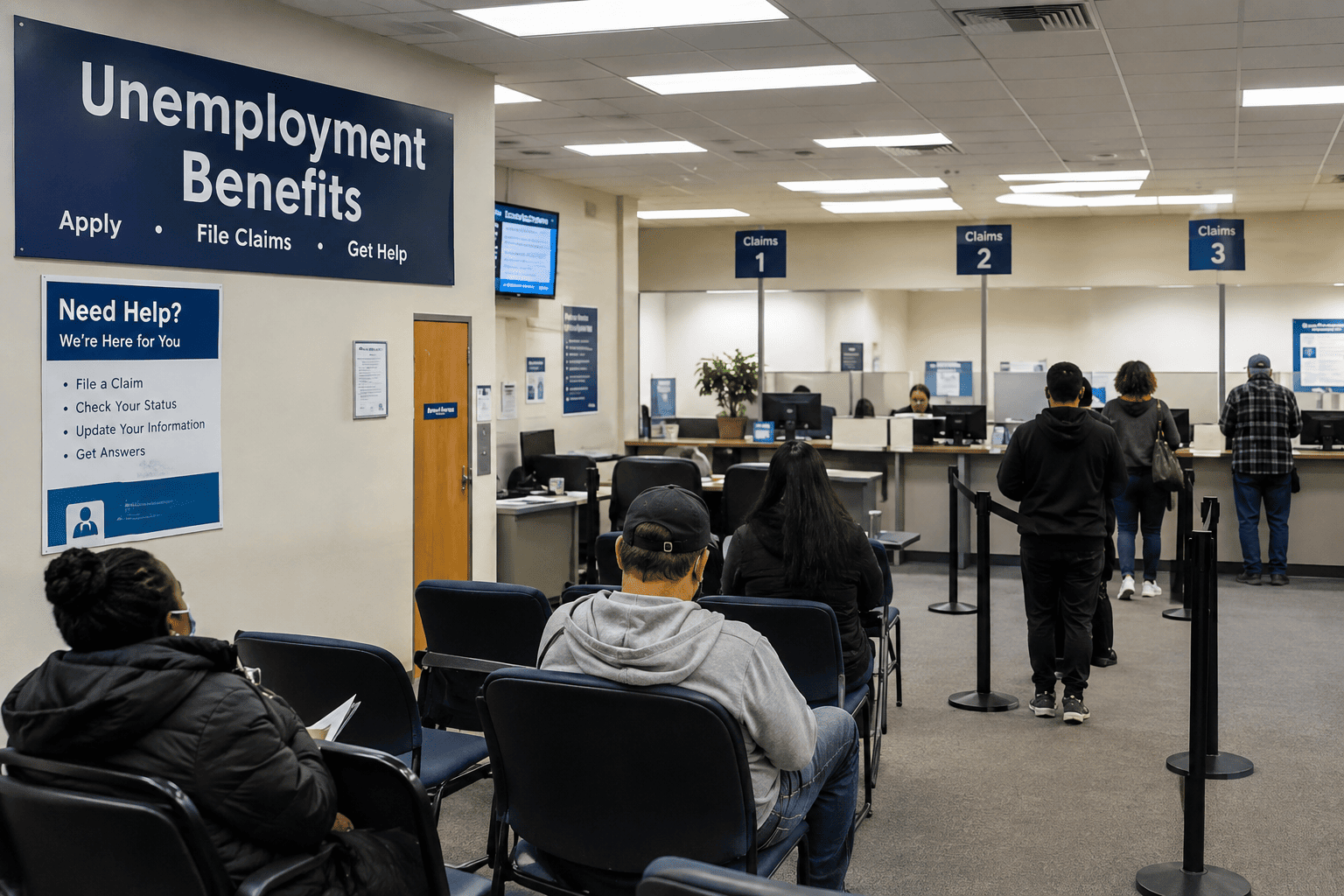
US consumer sentiment improved in June, climbing to 49.5 from 44.8 in May, according to the University of Michigan's latest survey. The uptick, which exceeded economists' expectations of 49, was fueled by declining gasoline prices and easing tensions in the Middle East. Despite the rebound, sentiment remains well below pre-conflict levels, underscoring persistent concerns over high living costs.
Gasoline Prices Provide Relief
A key factor behind the improvement has been the drop in fuel prices. The national average gasoline price fell to $3.85 per gallon after six consecutive weeks of declines, nearly 15% below its May peak. GasBuddy data shows prices fell by an average of 14.1 cents per gallon over the past week, with larger declines in states like Colorado (25 cents), Arizona (22 cents), and Ohio (21 cents). The retreat reflects easing tensions between the US and Iran, which have reduced fears of disruptions to oil shipments through the Strait of Hormuz.

Inflation Expectations Moderate
The survey also showed that consumers' inflation expectations eased. The one-year outlook dipped to 4.6% from 4.8% in May, while long-term expectations fell more sharply to 3.3% from 3.9%. This moderation aligns with recent data showing the personal consumption expenditures (PCE) price index rose 4.1% year-over-year in May, which some economists believe may mark the peak of the inflation surge linked to the Iran conflict. Federal Reserve officials closely monitor long-term expectations, as they can influence wage negotiations and pricing behavior.
High Prices Still Weigh on Households
Despite the improvement, sentiment remains subdued—13% below its February 2026 level before the conflict began. Survey director Joanne Hsu noted that for the third consecutive month, over half of consumers spontaneously mentioned high prices as a drag on their personal finances. The cost of living continues to dominate household concerns, even as spending has remained resilient. Recent data showed stronger personal spending growth and robust retail sales in May, though economists describe the environment as K-shaped, with higher-income households spending freely while lower-income consumers rely more on savings and credit.
Market Implications
The improvement in sentiment and easing inflation expectations have supported a modest shift in market positioning. Some analysts see potential upside for consumer discretionary stocks, as households feel less squeezed at the margin. However, risks remain if gasoline prices stall or rise again, reigniting inflation fears. For a broader perspective on market sentiment, see our coverage of Dow futures sliding on Fed rate hike bets.
In the commodities space, the decline in oil prices has also pressured other sectors. For instance, corn futures have plunged to oversold territory amid the oil slump and favorable weather conditions.
Outlook
While the June data offers a glimmer of hope, the overall picture remains cautious. Consumers are still grappling with elevated living expenses, and the trajectory of gasoline prices and inflation will be critical in determining whether sentiment can sustain its recovery. The Fed will likely continue to monitor inflation expectations closely, as any reacceleration could complicate its policy stance.
This article is for informational purposes only and does not constitute financial advice.