President Donald Trump has declined to extend the 60-day memorandum of understanding with Iran, which expired Monday, dimming prospects for a broader peace deal and heightening geopolitical risk across markets. The decision comes as tensions in the Middle East continue to simmer, with investors turning to safe-haven assets.
Trump rejects Iran truce extension
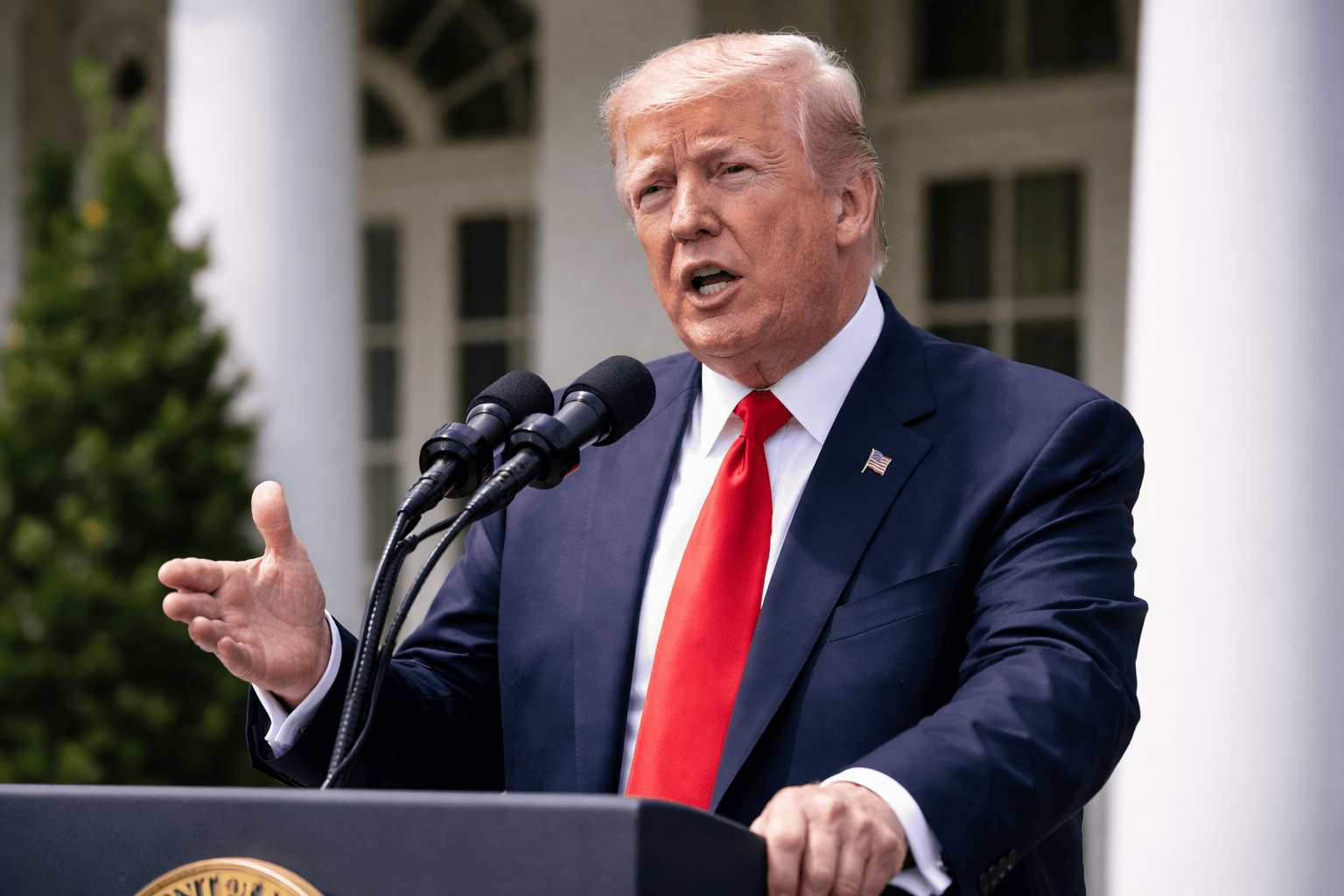
In a statement, Trump said the United States would not seek to renew the agreement, which had been designed to provide a window for negotiations on a longer-term settlement. He argued that Washington retains leverage through its naval blockade of Iranian ports and reiterated that the U.S. controls the Strait of Hormuz.
Iranian officials responded with warnings that Tehran could escalate tensions in the strait and across the region if diplomatic efforts fail. Esmaeil Baghaei, a spokesperson for Iran's Foreign Ministry, said talks with Oman over managing shipping through the waterway remain ongoing but complicated.
Meanwhile, regional instability deepened after Israel reported killing a senior Hezbollah commander. Israeli strikes in southern Lebanon on Saturday resulted in 11 deaths, according to reports.
Gold gains as Fed hike bets fade
Spot gold rose 0.94% to $4,417.14 per ounce, while U.S. gold futures settled 0.85% higher at $4,475.00. The precious metal benefited from a weaker dollar, which fell to its lowest level in over two months, making gold cheaper for international buyers.
Market expectations for a Federal Reserve interest-rate increase have also diminished following softer-than-expected payrolls and subdued consumer inflation data. According to CME FedWatch, traders now price a 33% probability of a September rate hike, down from 51.2% a month earlier.
Bart Melek, global head of commodity strategy at TD Securities, noted that the gold market appears to be pricing in a stagflationary environment. Investors are now awaiting the minutes from the Fed's July meeting, due Wednesday, for further policy clues.
Silver advanced 2.1% to $66.01 per ounce, while platinum gained 1.3% and palladium rose 1.1%.
Oil climbs as Hormuz uncertainty persists
Brent crude settled $2.24, or 2.53%, higher at $90.76 a barrel, while West Texas Intermediate gained $2.18, or 2.65%, to $84.58. Oil prices have surged more than 5% since last week following attacks on vessels in the Strait of Hormuz and ongoing uncertainty over reopening the key shipping route.
Kpler data showed five commodity vessels passed through the strait on Saturday, but none were registered on Sunday. Before the U.S.-Israeli attacks on Iran, the waterway handled roughly one-fifth of global oil and liquefied natural gas supplies.
Bitcoin rebounds toward $64,000
Bitcoin rose more than 2% on Monday, returning toward $64,000 as U.S. stocks weakened and investors monitored Middle East developments. The rebound occurred despite elevated derivatives positioning, with funding rates reaching a 20-month high of 0.022 on August 14, according to CryptoQuant, indicating crowded long positions.
QCP Capital noted that Bitcoin remains near the lower end of its recent trading range, and a sustained move outside that range would provide clearer direction. Crypto liquidations stayed relatively muted, with 24-hour cross-crypto liquidations around $180 million as Bitcoin recovered.
For more on related market moves, see our market digest on oil and bond sales and gold's surge in the latest digest.
This article is for informational purposes only and does not constitute financial advice.