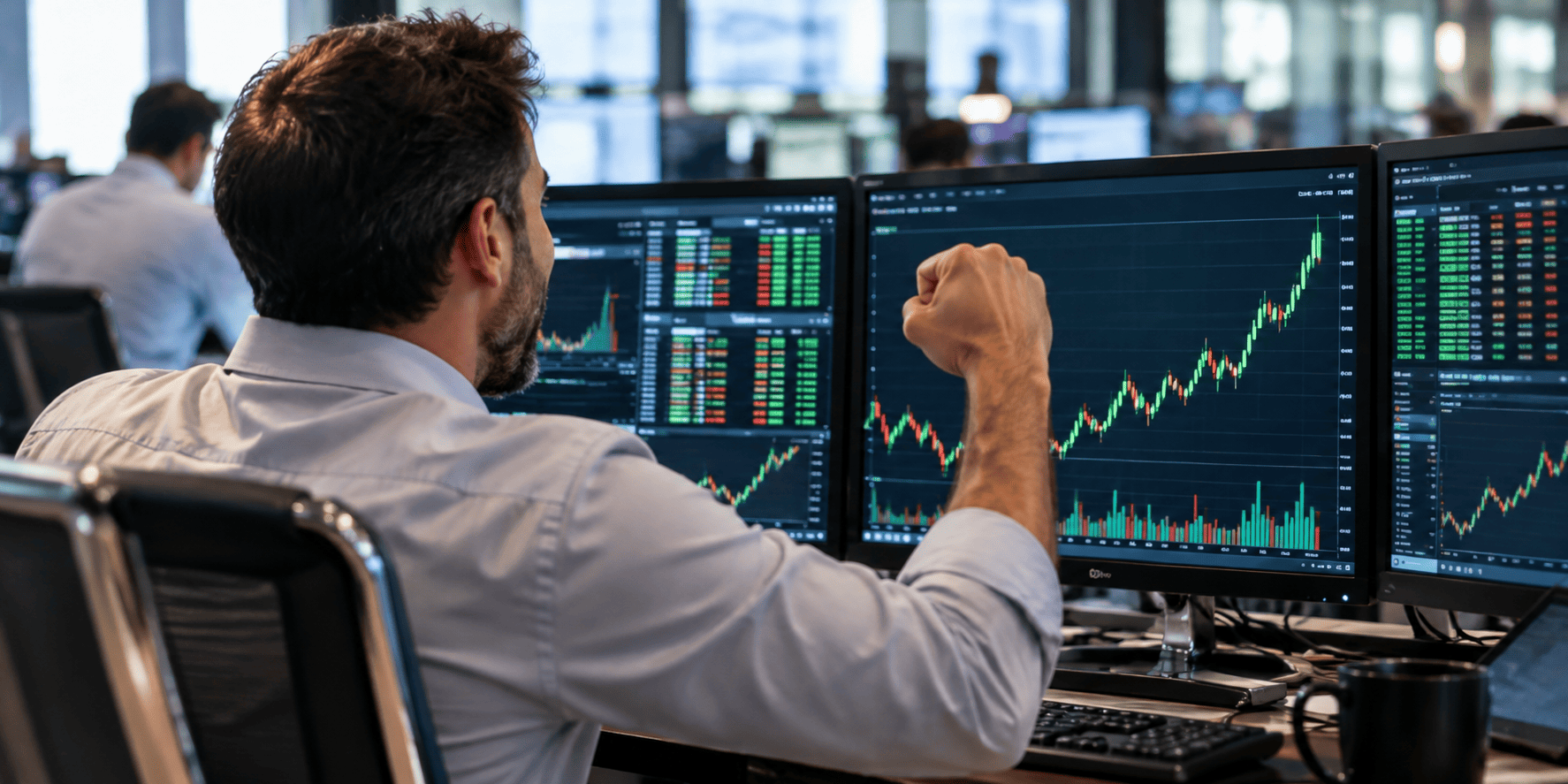
Tesla (NASDAQ: TSLA) shares extended their post-earnings decline on Monday, falling roughly 1.74% to trade near $307.58, even as broader markets showed signs of recovery. The stock briefly touched $317 earlier in the session before reversing course, underscoring persistent investor caution following last week's disappointing second-quarter results.
The broader market environment offered little support for Tesla, despite a rebound in the Dow Jones Industrial Average and a nearly 5% drop in benchmark crude oil prices as U.S.-Iran tensions eased. The electric vehicle maker's shares have now erased all year-over-year gains, trading about 5% lower than 12 months ago and roughly 30% below their year-to-date peak.
Earnings miss fuels selloff
The current weakness traces directly to Tesla's Q2 earnings report, which revealed operating profit of approximately $400 million—far below the $1.7 billion consensus estimate. The stock plunged nearly 15% on Thursday alone and lost 18% over the course of last week. Investors were also disappointed by the lack of concrete updates on Tesla's artificial intelligence initiatives, including its robotaxi network and humanoid robot projects, which the company has increasingly positioned as key drivers of future earnings growth amid stagnant EV sales over the past two years.
Deutsche Bank analyst Edison Yu responded to the report by lowering his price target on Tesla to $420 from $465, though he maintained a Buy rating. The stock's decline has erased the gains it made following the launch of Tesla's robotaxi service in Austin, Texas, in December 2025, when shares rallied to nearly $500 on AI optimism.
AI roadmap takes center stage
The recent selloff reflects a shift in investor focus from Tesla's traditional automotive business to its long-term artificial intelligence strategy. The company has stopped production of the Model S and Model X, converting that capacity for robot manufacturing. Investors are now looking for evidence that Tesla can successfully scale its robotaxi network and AI-powered humanoid robots to support a new phase of earnings growth.
However, some analysts remain cautious about the company's valuation and spending plans. A Motley Fool report highlighted pressure from weakening margins, declining profits, and higher investment spending. The report also noted that aggressive pricing strategies could support revenue growth but weigh on profitability, leaving Tesla's future growth trajectory uncertain.
For context, other automakers are also navigating challenging conditions. Rivian stock recently rose on a Piper Sandler upgrade ahead of its own Q2 earnings, while broader market dynamics have been shaped by Alphabet and Tesla earnings jolting markets as AI spending surges test investor patience.
SpaceX merger speculation resurfaces
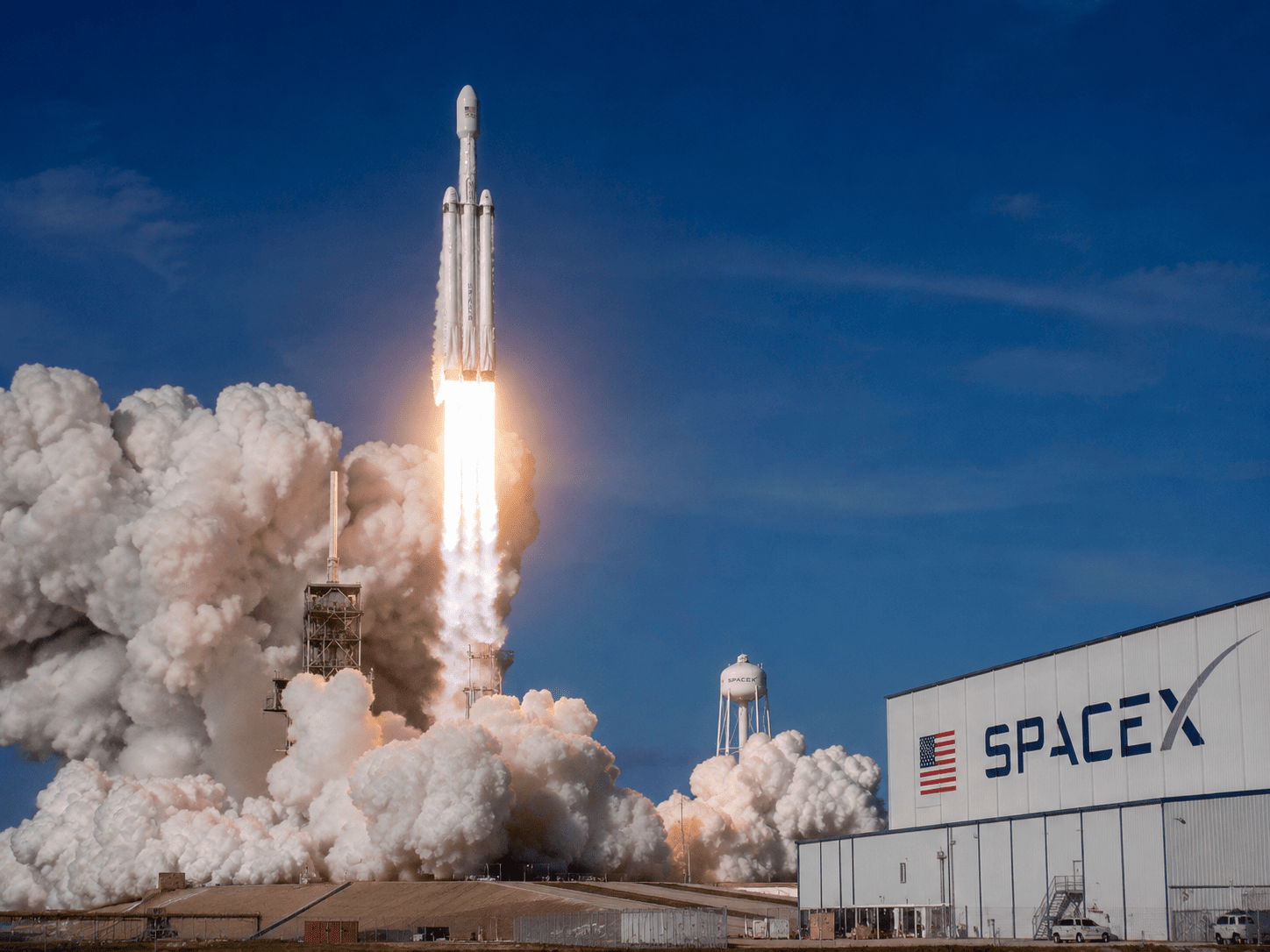
Speculation about a potential merger between Tesla and SpaceX resurfaced after CEO Elon Musk discussed synergies between the two companies during Tesla's earnings call. However, longtime Tesla commentator Gary Black dismissed the likelihood of such a deal in the near future.
"I am amazed how many investors are holding $TSLA because they believe $SPCX will buy it," Black wrote. "IMO, that won't happen anytime soon since the potential dilution to SPCX shareholders is too significant if SPCX paid a 20% premium for TSLA only to have the combined entity trade at TSLA's lower multiple." He argued that investors should instead own Tesla based on confidence in its autonomous driving ambitions, adding that "owning TSLA for a buyout by SPCX is buying the greater fool theory."
Attention has also turned to SpaceX's recent stock performance. After debuting at $135 and reaching a high of $225.64, SpaceX shares have fallen 32% over the past month, including an 8.5% decline over the last five trading sessions.
This article is for informational purposes only and does not constitute financial advice.