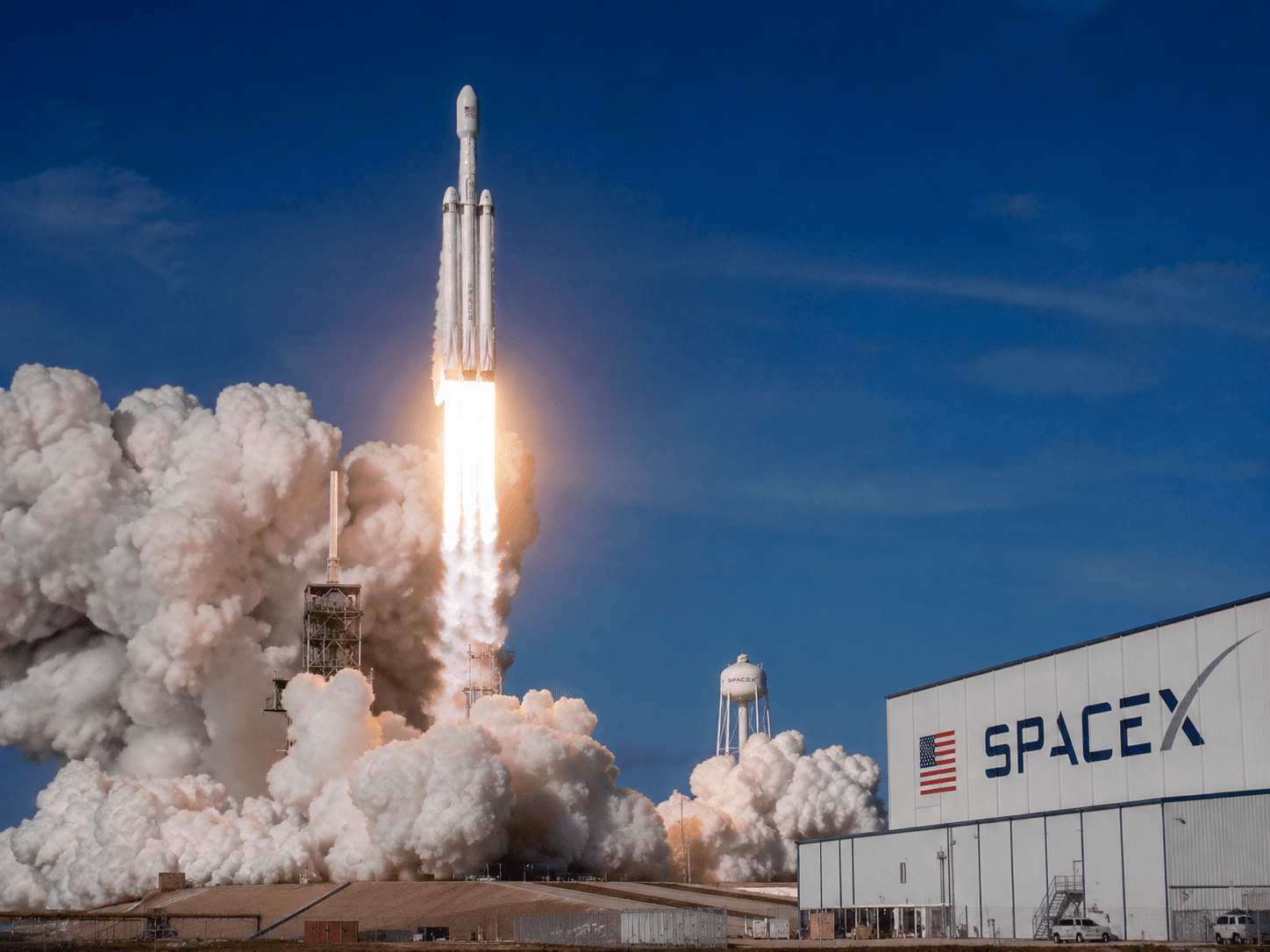
SpaceX shares have been trading in a tight band this week, hovering near $148 after a sharp pullback from their all-time high of $225. The consolidation comes amid a lock-up expiry and anticipation of the Starlink v3 test. Investors are now questioning whether this 34% decline represents a buying opportunity or a warning sign.
Despite the recent weakness, analysts remain largely bullish on the company's prospects. The average 12-month price target among analysts is $227, implying roughly 53% upside from current levels. The most optimistic forecast sees the stock reaching $800, a 440% surge. Oppenheimer's Timothy Hiran targets $280, while Needham's Ryan Koontz and Macquarie both set $250.

The bullish sentiment is rooted in SpaceX's diversified revenue streams. The company is investing heavily across its three main businesses: space, connectivity, and AI. In the last quarter, capital expenditures reached $1.17 billion for space, $1.37 billion for connectivity, and $15.8 billion for AI. These investments are aimed at fending off rising competition and capturing new market share.
One key catalyst is the upcoming test of Starlink v3, which promises improved service quality. Starlink already boasts over 12 million paying customers, and the upgrade could accelerate subscriber growth globally. Meanwhile, Elon Musk has claimed that Grok's capabilities will soon match or surpass competitors like Anthropic and OpenAI, though current performance data suggests it still lags.
Analysts also point to SpaceX's expanding data center business as a major growth driver. The company recently signed a $1.1 billion per month deal, adding to existing agreements with Google, Reflection AI, and Anthropic. Goldman Sachs and Morgan Stanley project that revenues could eventually exceed $1 trillion annually. For this year, the consensus estimate is $44.8 billion in revenue, with the most bullish forecast at $51 billion, rising to over $103 billion next year.
However, these ambitious plans come with significant capital expenditures that will pressure free cash flow in the near term. The company is burning cash to fund its expansion, a pattern reminiscent of Tesla's early years. Investors who believe in the long-term vision may see this as a necessary investment, but others may be wary of the risks.
From a technical perspective, the two-hour chart shows SpaceX stock forming an ascending triangle pattern, a classic continuation signal. The stock remains above its 50-period moving average and the Supertrend indicator, suggesting that the uptrend is still intact. If the pattern holds, the stock could rally toward the psychological $200 level, and eventually $300 or higher.
In summary, SpaceX's pullback has created a potential entry point for investors, but it comes with risks. The company's growth story is compelling, driven by Starlink, AI data centers, and Starship. Yet, the heavy capital spending and competitive pressures could weigh on near-term returns. As always, investors should weigh these factors carefully.
This article is for informational purposes only and does not constitute financial advice.

