SpaceX (SPCX) shares edged up 1.4% on Friday, recovering from a two-day slide, as investors weighed the continued expansion of its Starlink satellite network against the overhang of upcoming share unlocks and the company's massive capital expenditure plans. The stock had fallen 3% on Wednesday and another 4.1% on Thursday after 319 million restricted shares became eligible for trading on Aug. 20.
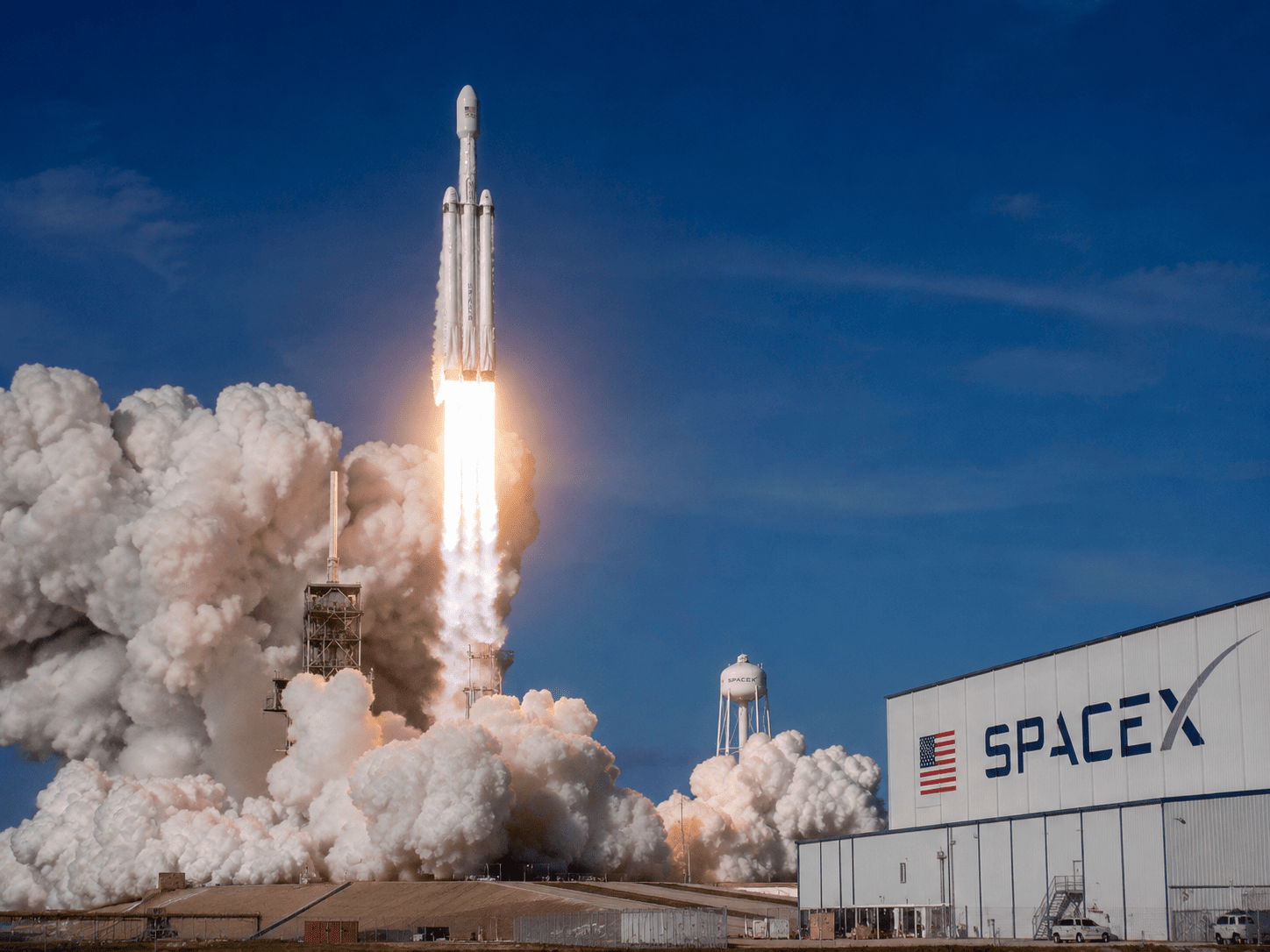
The latest launch, which put 24 more Starlink satellites into orbit from California on Tuesday, brings the constellation closer to 11,000 active spacecraft. According to astronomer Jonathan McDowell's tracking data, there were approximately 10,979 Starlink satellites in orbit as of Aug. 19, with about 10,963 operational. Since 2019, SpaceX has launched more than 12,700 Starlink satellites, though roughly 1,700 have since deorbited. The network now accounts for nearly two-thirds of all active satellites around Earth.
SpaceX holds regulatory approval to deploy between 15,000 and 19,000 Gen-1 and Gen-2 Starlink satellites by 2031, and has also sought permission for a next-generation constellation of up to 100,000 satellites. CEO Elon Musk has suggested the system could eventually exceed 100,000 satellites, and he has argued that the space economy will be far larger than Goldman Sachs' current projection of $1.8 trillion by 2035.
Starlink becomes a key revenue engine
Starlink is increasingly central to SpaceX's financial performance. The company's Connectivity segment generated $4.3 billion in revenue during the second quarter of 2026, representing about 55% of total revenue of $7.8 billion. The segment posted an operating profit of $1.7 billion, up 66% year over year, helped by a doubling of subscribers to 12 million.
SpaceX aims for Starlink to eventually carry a significant share of global internet traffic, with potential applications in AI infrastructure, mobile connectivity, and services for homes, businesses, and governments. The rapid subscriber growth and expanding service offerings underscore the network's strategic importance.
Unlock and spending risks persist
Investors remain focused on the impact of additional share unlocks. The Aug. 20 unlock made up to 319 million restricted shares tradable, representing about 2.4% of outstanding stock and potentially increasing the float by around 20%. Further unlocks are scheduled through the rest of 2026, while Musk's large stake remains locked until June 2027.
Meanwhile, DZ Bank analyst Markus Leistner initiated coverage with a Sell rating and a $100 price target, contrasting with broader Wall Street sentiment. About 75% of analysts covering SpaceX rate the stock a Buy, with an average price target near $226. The divergence reflects the scale of future investment requirements.
FactSet estimates SpaceX revenue could exceed $100 billion in 2027, up from about $44 billion in 2026. However, Wall Street projects roughly $800 billion in cumulative capital spending by the end of the decade, much of it directed toward AI and communications infrastructure. SpaceX currently operates about 1.4 gigawatts of computing capacity at two terrestrial data centers and aims to reach 10 gigawatts by the end of 2027.
For investors, Starlink's rapid growth offers substantial revenue potential, but the magnitude of required investment and continued share unlocks remain critical factors. The stock's recent volatility highlights the balancing act between long-term opportunity and near-term risks. For more on related market moves, see SpaceX's recent drop and the Nasdaq-100 rebalance test.
This article is for informational purposes only and does not constitute financial advice.