SpaceX's latest earnings call delivered a wealth of information for investors, but one notable absence stood out to Bernstein analyst Doug Harned: orbital data centers. The omission, he told CNBC, signals a strategic prioritization of immediate opportunities over longer-term space-based computing ambitions.
Harned emphasized that the silence should not be interpreted as a retreat from the orbital concept. Instead, it reflects the company's focus on the more tangible and lucrative terrestrial AI infrastructure market. For investors, this distinction is crucial: the near-term revenue engine is on Earth, while the orbital vision remains a future growth catalyst.
Terrestrial AI Compute Takes Center Stage
SpaceX's management is confident in its ability to monetize terrestrial computing capacity at $30 to $50 per watt, with potential for even higher pricing. This optimism is tied to shorter-term agreements with AI giants like Anthropic and Google, which underpin the company's aggressive expansion plans. On the October 20th earnings call, CEO Elon Musk expressed confidence in adding up to 10 gigawatts of compute during 2027, building on the roughly 2.5 to 3 gigawatts expected by year-end.
These figures represent management targets rather than completed installations, a distinction that matters for shareholders. The demand for terrestrial infrastructure provides a concrete commercial opportunity, while orbital deployment remains a future prospect. However, pricing per watt alone does not guarantee profitability. Construction costs, customer utilization, contract duration, and equipment replacement all influence how much of that opportunity translates into shareholder value.
Orbital Ambitions and Valuation Implications
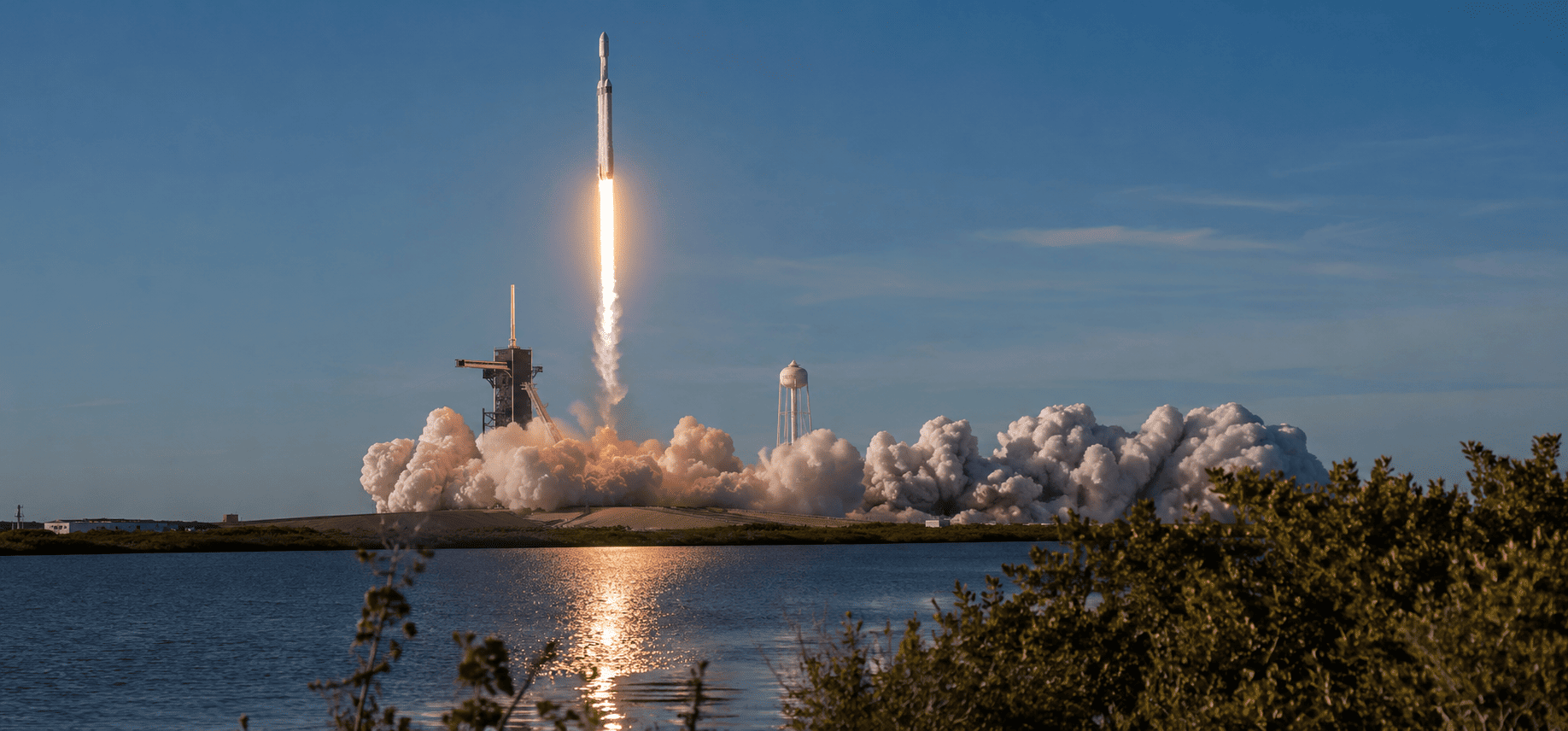
Harned noted that initial launches for orbital data centers are planned for late 2027, but Bernstein expects a slower buildout. While the concept holds promise, the gap between launching initial infrastructure and operating a commercially significant network is substantial. The valuation impact is straightforward: distant earnings are worth less today when their arrival is delayed, assuming other factors remain constant. Investors must also account for potential delays or cost overruns.
An orbital business could strengthen SpaceX's competitive position by integrating its launch capabilities with computing infrastructure, offering a growth avenue that terrestrial rivals might struggle to replicate. Yet, at roughly $2 trillion, SPCX stock already carries substantial expectations for future growth. The terrestrial expansion offers a plausible path to supporting that valuation, provided capacity converts into sustained earnings and cash flow. Without commercial progress in orbit, more pressure falls on maintaining attractive compute pricing while financing enormous construction costs.
In short, the omission alone does not undermine the investment case, but it does leave a major justification for the premium unproven.
Wall Street's Stance on SpaceX Stock
Despite the uncertainties, Wall Street remains bullish on SpaceX shares for the next 12 months. The consensus rating is Overweight, with a mean price target of about $245, implying potential upside of roughly 50% from current levels. This optimism reflects confidence in the terrestrial AI opportunity and the company's execution capabilities.
For investors, the key takeaway is to differentiate between the immediate earnings driver and the longer-term orbital narrative. The absence of orbital data center discussion on the call may be a signal of near-term focus, but it does not diminish the potential of that technology. As always, thorough due diligence is essential.
This article is for informational purposes only and does not constitute financial advice.