Intel Corporation's shares have slipped into bear market territory, tumbling 34% from their all-time high as investors rotate out of high-flying artificial intelligence names. The company's market capitalization has contracted from $707 billion to $493 billion, and technical analysis based on the Wyckoff Method suggests the selloff may not be over.
The Wyckoff Theory, a framework used to interpret market cycles, posits that assets move through four distinct phases: accumulation, markup, distribution, and markdown. Intel's price action over the past year appears to have followed this pattern, with the stock now potentially entering the distribution phase, which typically precedes a sharp decline.

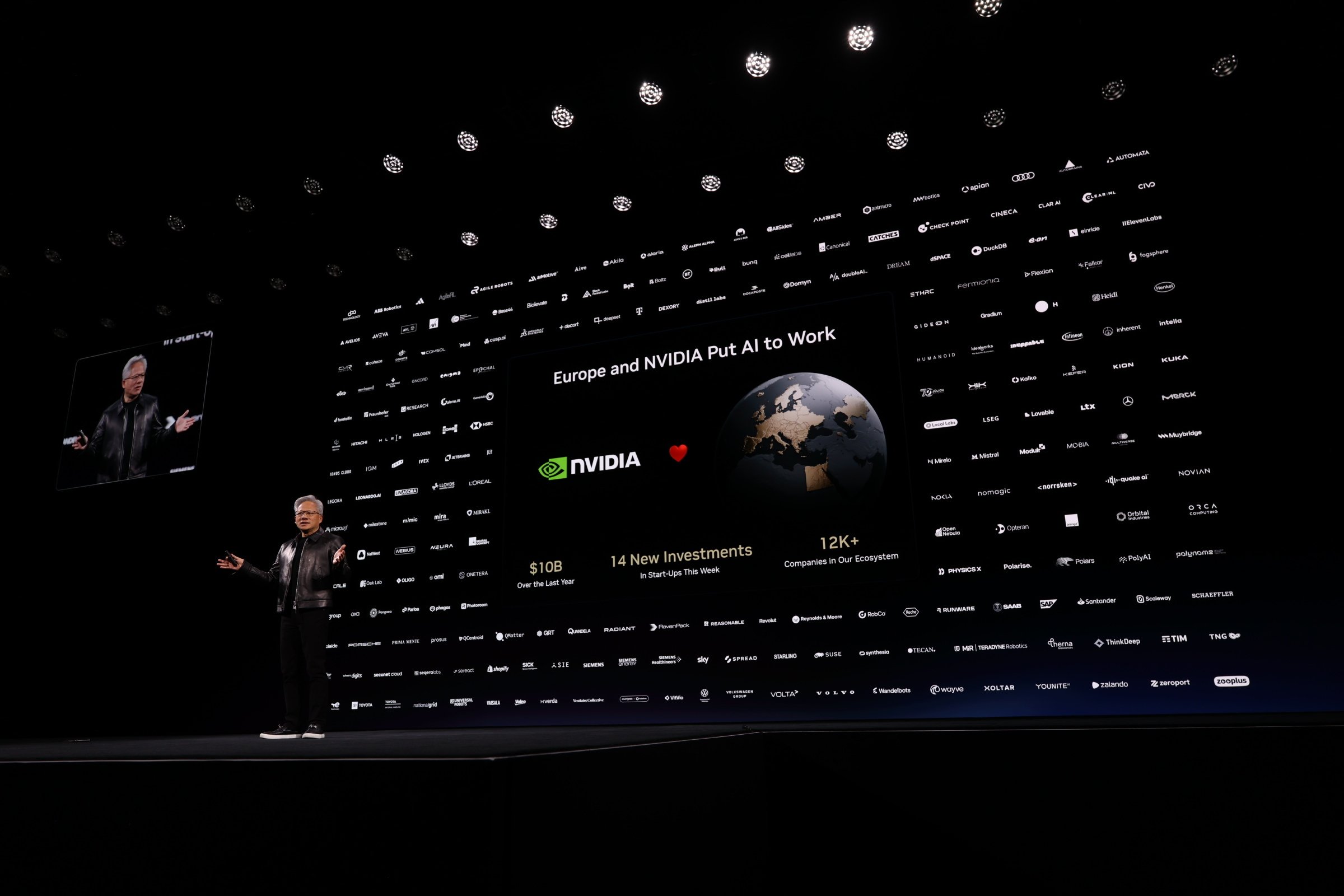
During the accumulation phase, which lasted from December 2023 to January of this year, Intel formed a shallow cup-and-handle pattern. This formation is generally considered bullish, and indeed the stock subsequently surged into a markup phase. That rally was fueled by a government rescue and a strategic investment from Nvidia, which has become Intel's largest shareholder, as well as the broader AI boom.
However, recent price action suggests a shift. The stock has been consolidating and showing signs of distribution, where large investors begin selling their holdings to less informed buyers. According to Wyckoff analysis, this distribution phase is often followed by a markdown phase characterized by panic selling. If the pattern plays out, Intel shares could see a bearish breakout, with the next major support level at the 50% Fibonacci retracement of $80. A break below that could open the door to further declines toward the 61.8% retracement at $65.
Investor sentiment has been dampened by growing concerns about a potential AI bubble. Prominent figures like Citadel's Ken Griffin and Bridgewater's Ray Dalio have warned that the AI rally may be overextended, especially with interest rates remaining elevated. These macro headwinds have weighed on the entire semiconductor sector, and Intel has not been immune.
The next major catalyst for Intel will be its upcoming earnings report, scheduled for next week. Analysts expect the company to post revenue of $16.47 billion, representing a 20% year-over-year increase. In the previous quarter, Intel reported a 25% revenue jump to $16.1 billion, driven by strong demand for its products, which were so robust that the company had to sell lower-tier offerings. Its client computing and physical AI group saw revenue rise 13% to $8.9 billion, while the data center and AI business surged 59% to $6.3 billion.
Looking ahead, the most optimistic analyst forecasts revenue as high as $17 billion, a figure that seems plausible given the recent strong earnings from peers like Micron and Samsung. Earnings per share are projected to rise to $0.40, up from $0.23 in the same period last year. For the full year, EPS is expected to reach $1.53, a significant improvement from the $0.42 reported in the prior year.
Despite these positive expectations, Intel faces considerable risks. A broader slowdown in the AI industry could derail its growth trajectory, and competition from Nvidia, which recently launched its own CPU, remains intense. The Wyckoff pattern suggests that even if earnings beat, the stock may struggle to regain its former highs until the distribution phase completes.
This article is for informational purposes only and does not constitute financial advice.