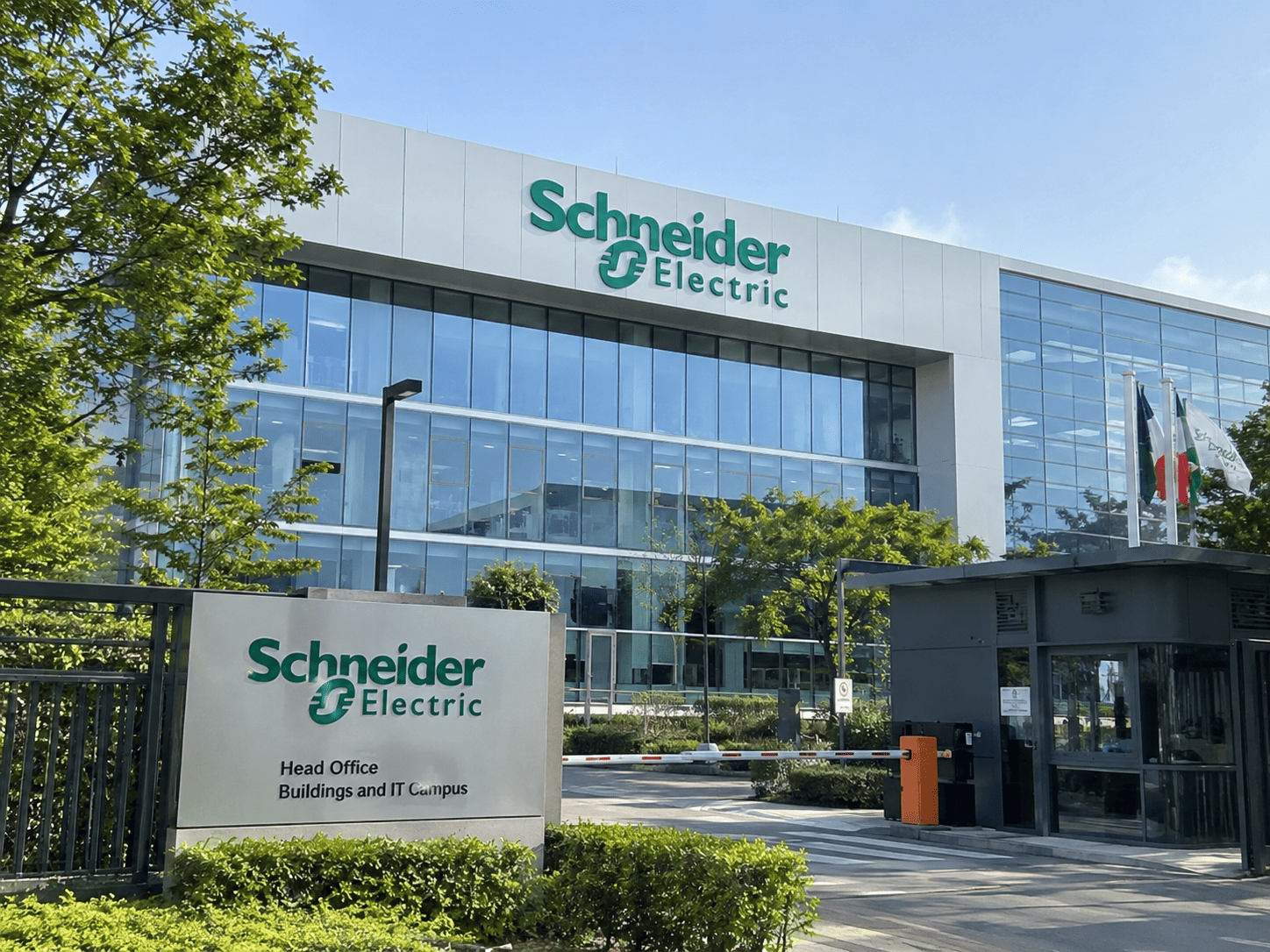
Schneider Electric's shares fell sharply on Monday after the French industrial group unveiled its largest-ever acquisition: a $22.6 billion all-cash deal for US software firm PTC. The market's negative reaction underscores investor unease over the hefty premium and the substantial debt required to finance the transaction.
The offer values PTC at $205 per share, a 42.3% premium to its last closing price. Schneider expects the deal to close in the third quarter of 2027. The acquisition marks a major step in Schneider's push into industrial software and artificial intelligence, but the scale of the move has raised questions about valuation and execution.

Premium and Synergy Concerns
The purchase price implies a valuation of roughly 20 to 21 times PTC's expected 2027 EBITDA before synergies, a multiple that some investors consider stretched. PTC's shares had traded at a low of 13.1 times forward earnings earlier this year, reflecting fears of AI disruption in the software sector. Schneider argues that after accounting for synergies, the effective multiple drops to 13 times earnings. However, a significant portion of the projected benefits comes from revenue synergies, which are generally harder to achieve than cost cuts.
Jefferies analysts noted that AI disruption fears have depressed software valuations, allowing Schneider to acquire PTC at a decade-low multiple, but they cautioned that these same fears could weigh on Schneider's stock post-deal. Citi analysts described the transaction as Schneider's largest yet, but said it was not entirely unexpected given the company's history of acquisitions such as Aveva and Bentley Systems. They emphasized that Schneider must demonstrate how the combined software and hardware offerings strengthen its competitive moat.
Financing and Leverage
To fund the acquisition, Schneider plans to raise between €5 billion and €6 billion through an accelerated bookbuild offering of new shares, alongside €16 billion to €17 billion in new debt. This financing is expected to significantly increase the company's leverage and could lead to near-term earnings dilution for existing shareholders.
JPMorgan analysts acknowledged that large-scale M&A is typically met with skepticism by European investors, but they noted that Schneider's past deals have proven strategically sound, even if valuations were debatable. The bank reiterated its Overweight rating and €345 price target, while noting that the PTC deal represents roughly 12% of Schneider's market capitalization. JPMorgan expects the acquisition to become accretive to sales and EBITDA over time.
Strategic Expansion into Software
The PTC acquisition builds on Schneider's broader transformation from a traditional electrical equipment maker into a provider of critical infrastructure for data centers and industrial software. The company recently agreed to acquire Cognite Holding, a private AI software and industrial data firm. PTC's software is used for product design, manufacturing, and service across various industries, and its portfolio has benefited from growing interest in AI-powered industrial tools.
Schneider expects the combined business to generate €250 million in annual run-rate cost savings by the third year after closing, and it is targeting approximately €800 million in revenue synergies. The success of the deal will largely depend on Schneider's ability to realize these synergies and integrate PTC's operations smoothly.
This article is for informational purposes only and does not constitute financial advice.

